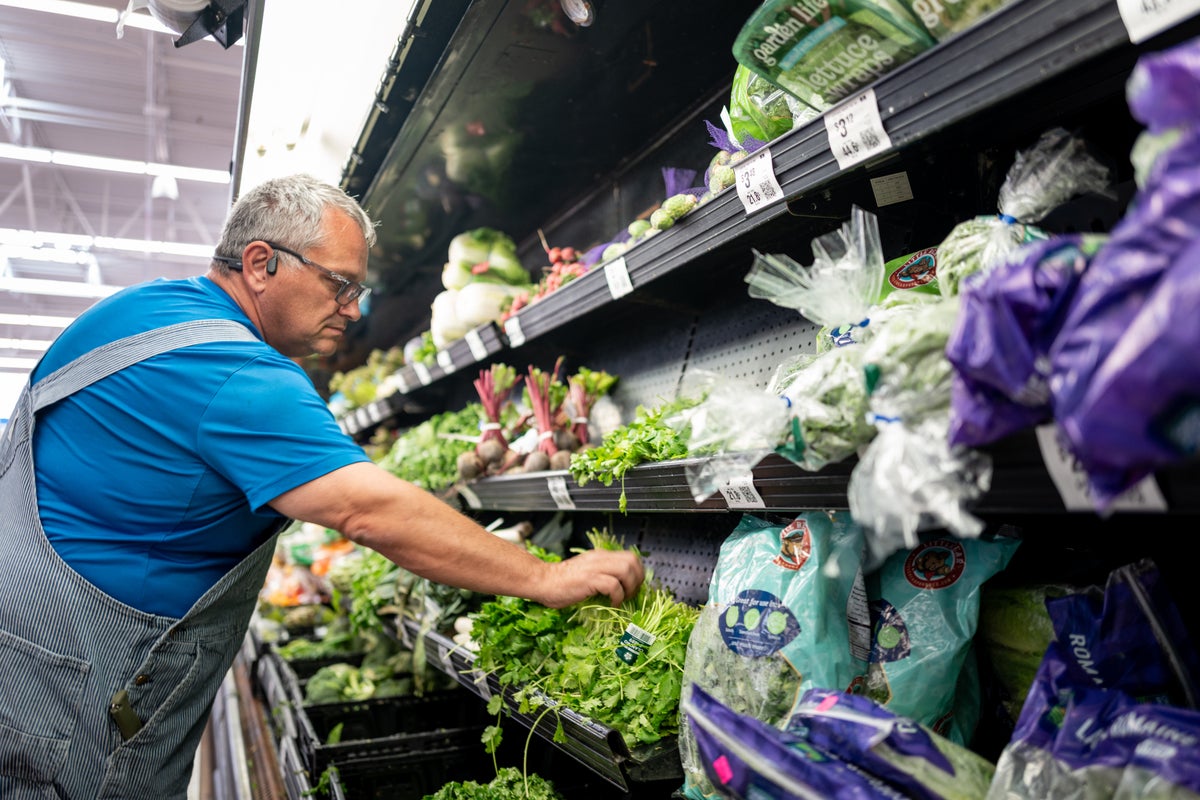
Thousands of people are sick, yet federal officials insist your salad is completely fine. That disconnect is driving people crazy right now.
When you hear about thousands of confirmed cases of cyclosporiasis spreading across dozens of states, your first instinct is to look suspiciously at your lunch. You wonder if you should stop eating fresh produce altogether. But regulatory agencies like the Food and Drug Administration continue to maintain that the national food supply remains secure. Is that official confidence real reassurance, or is it just corporate and governmental PR designed to stop a panic? Let's break down what's actually happening on the ground.
The Reality Behind the Case Numbers
The numbers tell a messy story. Since May, the Centers for Disease Control and Prevention has tracked thousands of laboratory-confirmed domestic cases of cyclosporiasis. States like Michigan have shouldered massive spikes, reporting thousands of infections on their own.
Here is what most people don't realize about how these numbers work. Cyclospora isn't like E. coli or Salmonella. It's a microscopic parasite called Cyclospora cayetanensis. It causes weeks of watery, exhausting, relapsing diarrhea, cramping, and nausea. Because standard routine stool panels ordered by doctors don't automatically test for parasites, many mild cases go completely undiagnosed. The official case counts are almost always dramatic undercounts.
When a multi-state outbreak traces back to iceberg lettuce imported from places like central Mexico—such as the recent recall involving major suppliers like Taylor Farms—it exposes a massive vulnerability in our imported food chain.
Why the FDA Claims the System is Safe
Regulatory leaders look at the broader picture when they claim the food supply is safe. They argue that out of the billions of meals consumed daily across the country, localized outbreaks involving specific produce items represent statistical outliers.
When a problem hits, traceback investigations kick into gear. Officials work backward from sick patients to distributors and farms. In theory, this containment stops contaminated food from sitting on store shelves for long. But theory and reality don't always match up.
Critics point out that recent funding cuts to public health departments and federal agencies have left tracking teams understaffed. When specialized parasite surveillance teams shrink, tracking down elusive foodborne outbreaks takes longer. That leaves consumers exposed to contaminated produce for weeks before a recall ever happens.
How to Protect Yourself Right Now
You don't need to quit eating fresh vegetables. But you do need to change how you handle high-risk foods during peak season, which runs from May through August.
- Wash produce thoroughly: Understand that standard chemical disinfectants and chlorine washes do not kill Cyclospora. Rinsing helps physically remove dirt and debris, but it won't magically sterilize contaminated food.
- Inspect packaging: Pay attention to food recall notices from major distributors. If you bought shredded lettuce or pre-bagged salad mixes linked to active investigations, throw them out immediately.
- Know the symptoms: If you develop persistent, watery diarrhea, severe fatigue, and stomach cramps a week or two after eating fresh salads or imported berries, call your doctor. Demand a specific test for parasitic infections.
Food safety isn't foolproof. Acknowledging that reality doesn't mean you have to panic, but it does mean you should pay closer attention to what ends up on your plate.