A jammed rifle and a phone call to a Taco Bell co-worker stopped a plot that had been brewing for two years. Honestly, it's chilling how close a routine Sunday afternoon came to turning into a tragedy in the Chicago suburbs.
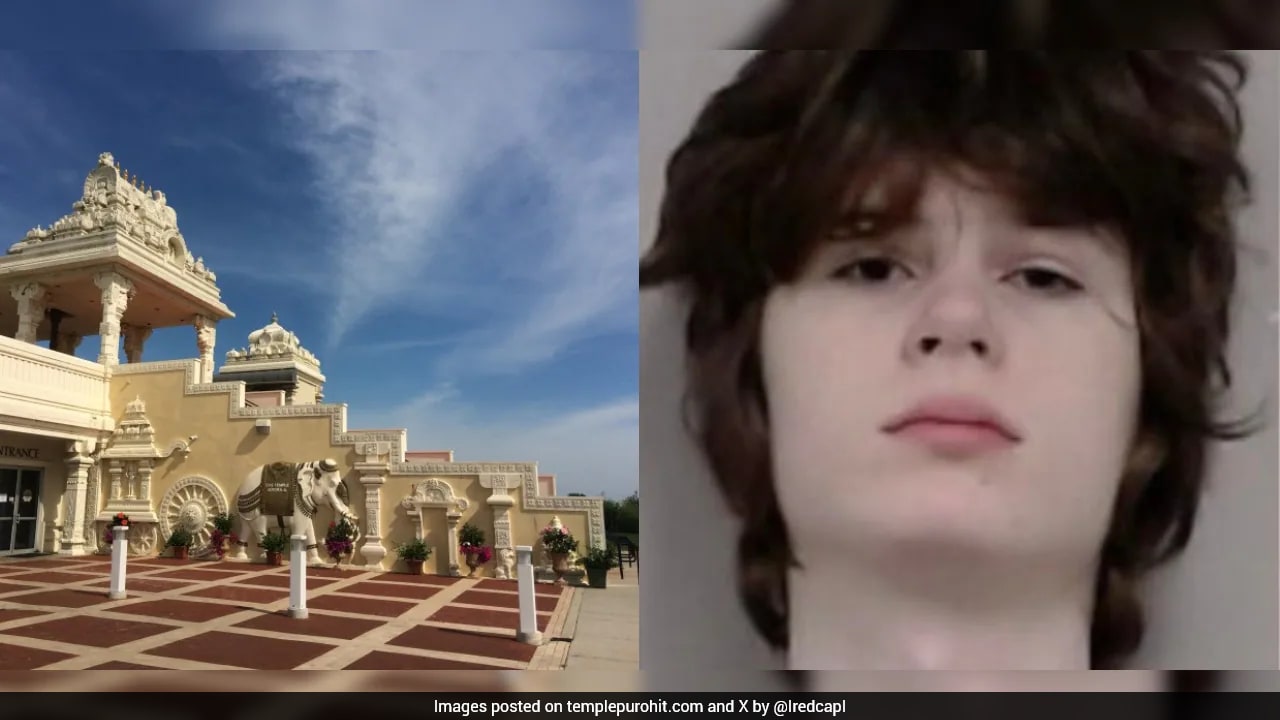
In October 2026, 19-year-old Alexandros Paporakis of Palatine, Illinois, was arrested after prosecutors say he attempted a mass shooting targeting a Hindu place of worship in the Aurora area. According to court filings and police accounts, Paporakis allegedly told a co-worker that he "couldn't wait to kill Indian people," called Sunday a "special day," and later claimed his rifle failed to fire—adding that he didn't believe in divine intervention, yet the man he aimed at was "certainly saved by his God today".
Those words sit at the center of a case that has rattled local communities, drawn federal scrutiny, and raised urgent questions about how warning signs are handled before violence happens. Keep in mind that Paporakis faces serious felony allegations—including making a terrorist threat and unlawful possession of a short-barreled rifle—and under the law, all charges remain allegations unless proven in court.
How the Plot Unfolded Over One Weekend
Most people assume extremist plots get caught solely through massive surveillance sweeps. That isn't what happened here. This case broke open because a teenager talked to people he worked with.
Prosecutors allege Paporakis worked as a Taco Bell cashier in Arlington Heights for roughly seven months. Colleagues told investigators he had a pattern of making derogatory remarks toward people of other races, especially Indians, while openly embracing white supremacist ideas and Nazi imagery. At first, those comments weren't taken seriously enough to trigger an emergency response. Then the tone shifted.
On Saturday, October 10, 2026, Paporakis allegedly told a co-worker he couldn't wait to kill Indian people and spoke of targeting a Hindu temple in Aurora with a large amount of ammunition. Another co-worker reported that he described Sunday as a "special day".
By Sunday afternoon, October 11, Palatine police say a red Acura RDX registered to Paporakis entered a temple parking lot around 12:25 p.m. and left in less than 15 minutes. According to prosecutors, Paporakis then contacted his co-worker, saying his AR-style rifle jammed when he pulled the trigger and that he sped away. He allegedly sent a video of the rifle failing to fire and a photo of himself in a tactical vest, claiming he was lucky no one saw him inside his car and talking about fixing the weapon to try again.
Two employees called 911 after that exchange. Mount Prospect police took the tip and passed it to Palatine police, who located Paporakis near his apartment in the 1300 block of North Baldwin Court around 3:42 p.m. and took him into custody.
Why the Co-Worker Tip Mattered More Than Luck
Let's be real about the "saved by God" quote. It makes for a dramatic headline, and it reflects how the suspect himself framed the malfunction in messages to a colleague. Yet relying on mechanical failure or luck is a terrible security strategy.
In threat assessment work, a weapon jam is an interruption, not a resolution. Prosecutors allege Paporakis didn't walk away for good after the rifle failed; instead, he looked into fixing it so he could retry. What actually stopped a second attempt was human action: co-workers who heard escalating threats, saw unsettling messages, and chose to call law enforcement rather than shrug it off.
There's a common mistake workplaces make when an employee spouts hateful or violent talk. Managers or peers often treat it as "edgy" banter, personal drama, or someone blowing off steam. Sometimes people worry about overreacting or getting a coworker fired. When someone goes from general bigotry to naming a target, specifying a day, and sending photos of gear or weapons, waiting to see what happens next is a gamble nobody should take.
What Investigators Found and What Remains Unclear
Once police stepped in, the investigation widened fast. Local officers from Palatine and Mount Prospect worked alongside the FBI's Chicago Field Office to examine digital devices and evidence.
Court documents and police reports highlight several key elements in the case:
- Alleged planning timeline: Prosecutors say materials indicated Paporakis had been planning an attack for roughly two years and narrowed his focus to the temple two months earlier.
- Online research: Reports indicate investigators found searches tied to scouting the location online and figuring out how to unjam a rifle.
- Seized items: Authorities reported recovering an AR-style rifle with a barrel shorter than 16 inches, body armor inside a tactical vest, Nazi symbolism, and a canister marked with a slur targeting South Asians.
- Court status: A judge ordered him held pending trial following an October 14 hearing, with proceedings moving forward in Cook County.
At the same time, responsible reporting requires noting what hasn't been settled. Police stated that the exact temple location he intended to target had not been confirmed at the time of initial updates, and defense counsel urged the public not to treat unproven allegations as established facts while the case is in its early stages. When a story involves hate speech and mass violence, rumors spread almost faster than court filings. Sticking to verified filings keeps the public informed without inventing details.
Broader Ripples for Houses of Worship and Communities
This case didn't stay confined to a suburban parking lot. News of the foiled plot prompted concern among Indian and Hindu community leaders, drew attention from local officials in Aurora and Palatine, and sparked diplomatic comment from India's Ministry of External Affairs, which urged thorough investigation and protection against hate-motivated violence.
For houses of worship—whether Hindu temples, mosques, synagogues, or churches—the takeaway isn't panic. It's practical readiness. Houses of worship are built to be welcoming, open spaces, which makes balancing hospitality with security tricky. Over-fortifying a sanctuary can feel alienating, while ignoring basic precautions leaves congregations exposed.
From what I've seen across community safety planning, the strongest programs keep things simple and consistent:
- Clear lines with local police. Make sure leadership has direct contacts for local precincts and non-emergency threat lines, and share basic site layouts during routine walk-throughs.
- Visible, calm greeters. Having trained volunteers or staff at entry points helps spot unusual behavior early without turning services into a checkpoint.
- A low-friction reporting habit. People hesitate to report vague unease if they don't know where it goes. A clear internal rule—report specific threats, weapons mentions, or suspicious lingering immediately—removes guesswork.
- Community communication. Neighboring temples or faith centers benefit from sharing alerts so one group isn't caught off guard when another is targeted.
Practical Steps You Can Take Right Now
If you're a coworker, manager, family member, or member of a faith community, you don't need a badge to play a constructive role when warning signs pop up.
- Take escalating threats seriously. Pay close attention when someone moves from abstract resentment to naming a group, a place, or a timeframe. Don't debate ideology in the moment; prioritize safety and report concrete threats to police or management.
- Save evidence if it's safe to do so. If someone sends threatening messages, photos of weapons, or videos of firearms, keep the records intact and hand them directly to law enforcement rather than confronting the person yourself.
- Check in on your local place of worship. If you attend or volunteer at a temple or community center, ask leadership whether they have an updated emergency contact list with local police and a simple plan for medical or security incidents.
- Verify breaking news before sharing. In high-tension cases, unverified claims about specific buildings or motives circulate quickly. Look for updates grounded in police briefings and court records rather than social media threads.
If you're reading this in a signed-out browser session, signing in to a Google Account can make it easier to save threads like this and pick up where you left off later.
NDTV coverage of what the US teen told Taco Bell co-workers
This video offers a concise broadcast overview of the alleged threats shared with co-workers and how authorities responded to the foiled Illinois temple plot.