No plague turned up in the contacts of the 28-year-old lab technician who died in Siberia—at least according to Russian health authorities, who closed their contact checks in early October 2026. Still, plenty of people aren't taking that reassurance at face value.
When a researcher at a high-consequence pathogen institute dies days after falling ill, quarantines pop up around hospitals, and officials initially whisper about plague before walking it back, rumors spread fast. Honestly, I don't blame skeptics for raising an eyebrow. When information comes out in drips and drabs, people fill in the blanks.
Let's separate what's actually confirmed from what's pure speculation, why pneumonic plague makes biosecurity experts twitchy, and why transparency matters even when an outbreak doesn't materialize.
Why the Siberian Lab Death Sparked Panic So Fast
The story started around the Irkutsk Anti-Plague Research Institute of Siberia and the Far East, a facility that studies dangerous pathogens including Yersinia pestis, the bacterium behind plague. According to reporting from the World Health Organization and major outlets like CBS News, 28-year-old lab technician Darya Shipilova fell ill, was hospitalized on September 29, placed on a ventilator, and died overnight into October 2.
Within days, chaos hit the local news cycle. Reports swirled that she'd broken a test tube in the lab or returned from abroad. Nearby Buryatia's head, Alexei Tsydenov, publicly mentioned plague in a social media post, fueling fears of an airborne leak. Around 200 contacts were reportedly placed under observation or quarantine, and some hospital wards restricted movement.
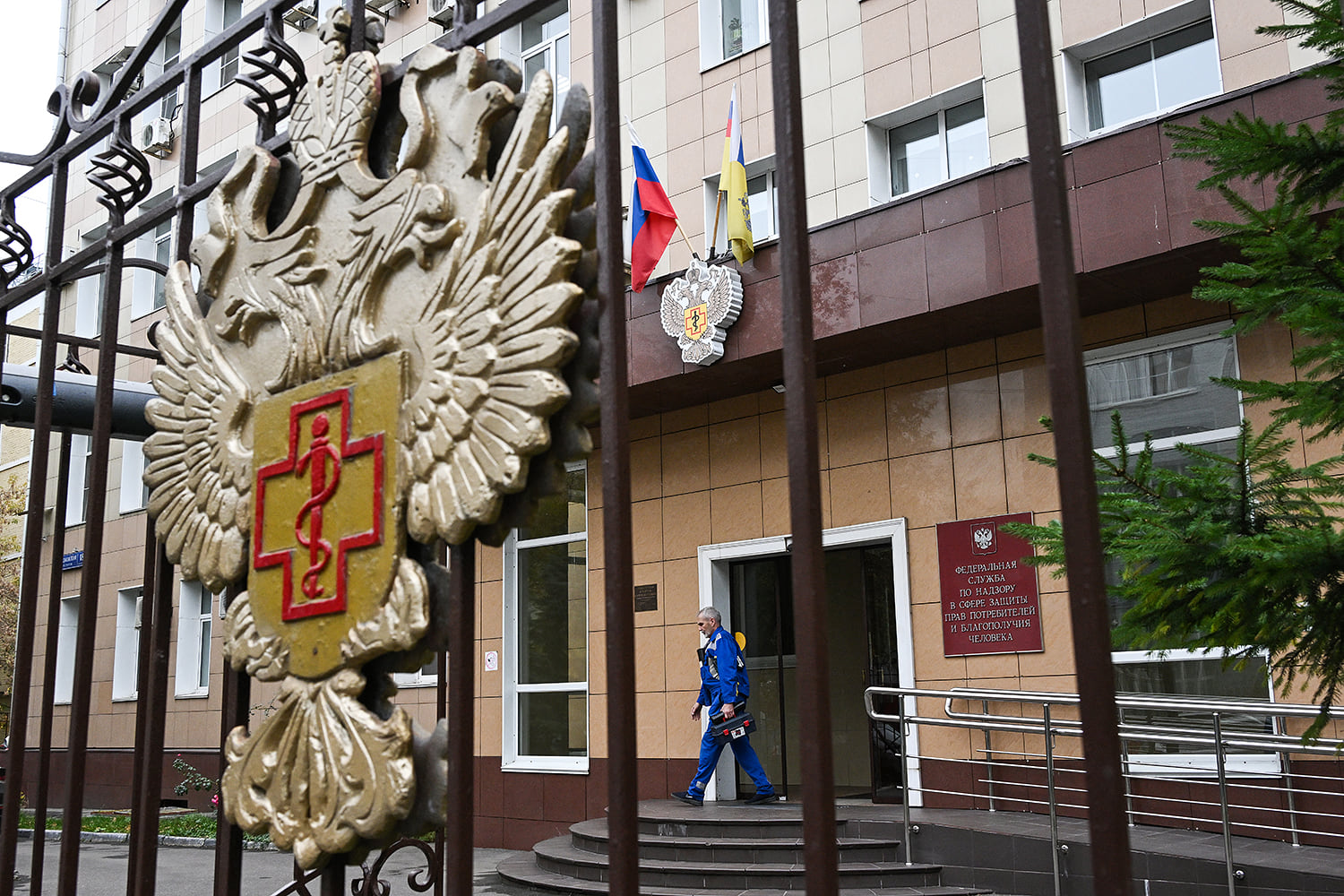
Then came the whiplash. Rospotrebnadzor, Russia's consumer and public health watchdog, denied any lab accident had occurred. Officials stated she died of "pneumonia of unknown etiology"—meaning doctors didn't pinpoint the exact cause of the lung infection—and told the WHO that no plague was detected. By October 8, Russian authorities announced they'd finished health checks on all contacts with no plague found among them.
A clean contact trace is good news on the ground, yet an unresolved cause of death at a plague institute leaves a lingering question mark for global health watchers.
What Officials Claimed Versus What Experts Question
From a public health standpoint, the immediate threat picture looks calm. The WHO's initial assessment put the risk as moderate to low for Irkutsk, low across Russia as a whole, and very low for the broader European region. Infectious disease specialist Michael Osterholm noted to CIDRAP that the case didn't cause undue alarm, pointing out that geopolitical suspicion often magnifies lab incidents in rival states.
At the same time, experts haven't pretended everything was handled cleanly. In a piece for Think Global Health, Russia expert Judy Twigg highlighted how decades of opaque messaging and slow sharing of details strain international trust during health scares. Even when authorities say "no plague," asking what actually killed a young, otherwise healthy lab worker is a completely fair question.
Real-world diagnostics are messy. Pneumonia isn't one single disease—it's a lung inflammation that can stem from everyday viruses like influenza or SARS-CoV-2, common bacteria, or rarer pathogens. Sometimes hospitals never nail down the exact culprit, especially when a patient deteriorates rapidly. Still, when an employee at a plague institute dies of severe pneumonia and early reports mention plague, people naturally want lab confirmation, not just a shrug.
Why Pneumonic Plague Still Makes Scientists Nervous
Most people picture medieval Europe or a dusty prairie rodent when they hear the word "plague." In reality, Yersinia pestis still circulates quietly in wildlife across parts of Africa, Asia, and the Americas. According to CDC guidance, over 80% of U.S. cases are bubonic plague, usually spread by flea bites and treatable with standard antibiotics when caught early.
Pneumonic plague is a different beast entirely. It affects the lungs, can spread from person to person via respiratory droplets, has a short incubation period—often around a day—and progresses fast. Untreated, it's nearly always fatal.
That's why any whisper of a lab exposure involving pneumonic plague triggers heavy protocols. Even if the final answer turns out to be not plague, locking down contacts and running tests makes sense when the stakes are that high.
Common Mistakes People Make During Lab Rumors
Having followed infectious disease outbreaks and biosafety news for years, I see the same missteps repeat every time a story like this breaks:
- Treating early rumors as settled fact. Early social media posts and second-hand reports often mix up hospital quarantines, routine contact tracing, and confirmed diagnoses. Wait for verified laboratory and agency updates before panicking.
- Assuming "unknown cause" equals a cover-up. Frustrating as it sounds, "pneumonia of unknown origin" happens in hospitals everywhere, even in countries with top-tier labs. Secrecy breeds distrust, sure, but clinical ambiguity is real too.
- Confusing plague with a fast-moving pandemic virus. Even if a single case of pneumonic plague had occurred, bacterial infections respond to antibiotics and behave differently than novel respiratory viruses. Context matters.
- Ignoring travel advisories or local health rules. If you're traveling near an area with heightened health checks or local restrictions, checking official advisories beats relying on rumor mills.
Practical Steps You Can Take Right Now
You don't need a hazmat suit because of a lab death thousands of miles away. You do benefit from solid habits when health headlines spike.
- Bookmark primary health trackers. Check updates directly from the WHO Disease Outbreak News or CIDRAP rather than reposted headlines. Primary advisories tell you what's actually confirmed versus still under review.
- Keep basic respiratory hygiene sharp. Seasonal colds, flu, and other respiratory bugs are far more likely to cross your path than exotic lab pathogens. Wash your hands, stay home when sick, and keep routine vaccinations current.
- Know what to watch for if you travel or hike in endemic areas. If you're ever in regions where wildlife plague exists—such as parts of the American Southwest, Central Asia, or Madagascar—avoid handling sick or dead rodents, protect pets from fleas, and seek immediate medical care if you develop sudden fever, chills, or severe coughing after exposure.
- Pause before sharing unverified alerts. If a post claims a secret outbreak is spreading without naming a credible source or lab finding, hold off on hitting share. Bad information spreads faster than most microbes ever do.