Donald Trump is not looking for a deal. On Saturday, while standing on the tarmac in West Palm Beach, the President effectively smothered a 14-point Iranian peace proposal before his aides had even finished briefing him on the specifics. His public dismissal—anchored by the claim that Tehran has not yet "paid a big enough price"—reveals a chilling shift in American strategy. The goal is no longer just regional stability or even nuclear containment. It is a calculated, high-stakes strangulation of the Iranian state, regardless of the shockwaves hitting global energy markets.
The proposal, shuttled through Pakistani mediators, reportedly offered a phased reopening of the Strait of Hormuz in exchange for an end to the U.S. naval blockade of Iranian ports. To a traditional diplomat, this would be a breakthrough. To the current administration, it is a stalling tactic from a regime they believe is on the verge of total collapse.
The Price of Admission
The "price" Trump referred to is a euphemism for the total erosion of the Islamic Republic's economic and military foundations. Since hostilities escalated in late February 2026, the administration has moved beyond targeted strikes to a systematic shutdown of Iran’s financial lifelines.
The U.S. Treasury recently blacklisted three major exchange networks that were keeping Tehran’s foreign currency reserves on life support. By calling out the "last 47 years" of Iranian history in his Truth Social posts, Trump has signaled that this conflict is not about a specific drone strike or a uranium enrichment percentage. It is a retrospective audit of the 1979 revolution, and the penalty is bankruptcy.
The internal math in Washington suggests that the ceasefire, which has held since early April, is not a cooling-off period but a tactical pause to let inflation do the work that missiles cannot. With Iranian inflation now screaming past 50 percent, the White House believes that accepting a "peace proposal" now would merely hand the IRGC a ventilator when they are gasping for air.
The Hormuz Toll Booth
Central to the 14-point plan is a radical Iranian gambit to monetize the world's most vital waterway. Tehran has proposed a "new framework" for the Strait of Hormuz that includes a 30 percent military tax on all commercial shipping. Essentially, Iran wants to turn the Strait into a private toll road to fund its own reconstruction.
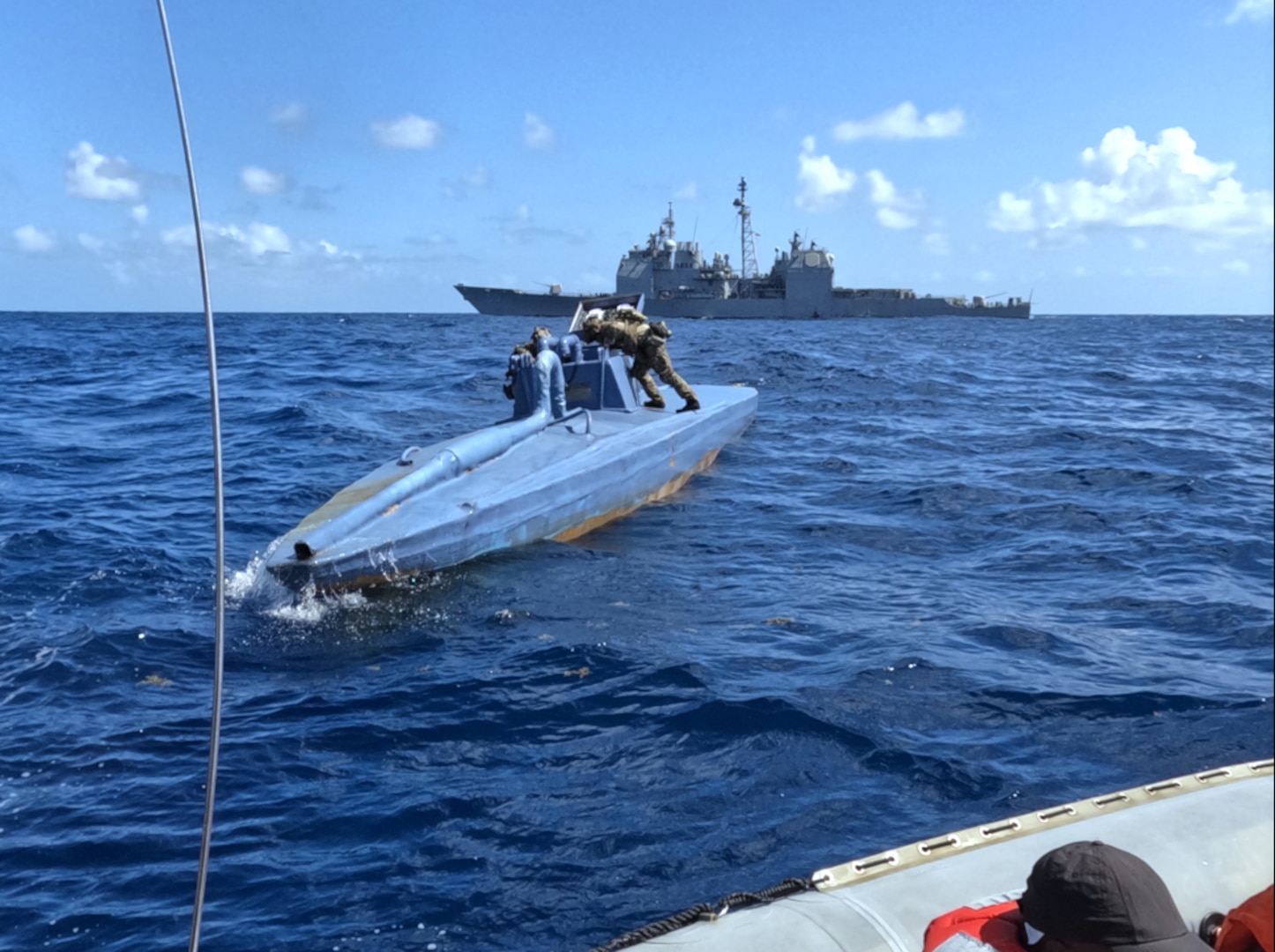
This is the sticking point that makes the proposal dead on arrival. For the U.S. and its Gulf allies, allowing Iran to legally tax global oil transit is a non-starter. It would codify Iranian control over 20 percent of the world’s petroleum supply. Kuwait, for instance, exported zero barrels of crude in April for the first time since the Gulf War. The economic pain is real, and it is global, but the U.S. position is that paying the "toll" is worse than the current supply shock.
The Nuclear Ghost
While the public rhetoric focuses on "paying a price," the private friction remains the nuclear program. Reports suggest the Iranian proposal keeps nuclear discussions in the "later stages," a diplomatic graveyard where hard decisions go to die.
The Trump administration has learned from the 2015 deal that front-loading economic relief for back-loaded nuclear concessions is a losing hand. Steve Witkoff, Trump’s envoy, has reportedly insisted that the nuclear program be dismantled before any blockade is lifted. Tehran’s refusal to budge on this suggests they still believe they have leverage. They don't.
The Lebanon Variable
While the U.S. and Iran trade papers through Pakistan, the actual war continues in the shadows of Southern Lebanon. Israel has maintained a high-tempo bombing campaign against Hezbollah targets, despite the U.S.-Iran ceasefire. This creates a volatile disconnect.
On Saturday, Israeli strikes in Sammaiyeh killed three people. Hezbollah responded with explosive drones targeting IDF positions in Biyyada. As long as the Lebanese front remains hot, any "peace proposal" delivered in Islamabad is a fiction. The U.S. is allowing Israel to grind down Iran’s primary proxy while Washington holds the line on the economic blockade. It is a pincer movement designed to leave Tehran with no good options.
The No War No Peace Trap
The current state of "no war, no peace" is exactly where the Trump administration wants to keep the Islamic Republic. By declaring that hostilities have "terminated" for the sake of congressional war powers, yet maintaining a total naval blockade, the President is bypassed the need for a formal war declaration while achieving the effects of one.
The "ball" is not in the U.S. court, as Iranian officials like Kazem Gharibabadi claim. The ball has been taken off the court entirely. Washington is waiting for a capitulation that looks like a total restructuring of the Iranian state, not a 14-point list of requests.
If Tehran refuses to buckle, the White House has already signaled that "short, intensive" strikes are the next logical step once the ceasefire’s utility has expired. The world is watching the price of oil, but Trump is watching the price of the regime. And he hasn't decided it's high enough yet.