SpaceX is preparing to break ground on an eight-mile natural gas pipeline named Starpipe to directly supply its Starbase launch facility in South Texas. Recent filings with the Texas Railroad Commission reveal that the company aims to eliminate a crushing logistical bottleneck by moving from trucked fuel deliveries to a high-capacity infrastructure network capable of supporting thousands of rocket flights. By taking control of the local energy supply chain, Elon Musk is transitioning his aerospace operation into an upstream energy provider, an aggressive vertical integration strategy designed to bypass commercial intermediaries and secure the massive quantities of methane required for deep-space colonization.
The Breaking Point of the Tanker Convoy
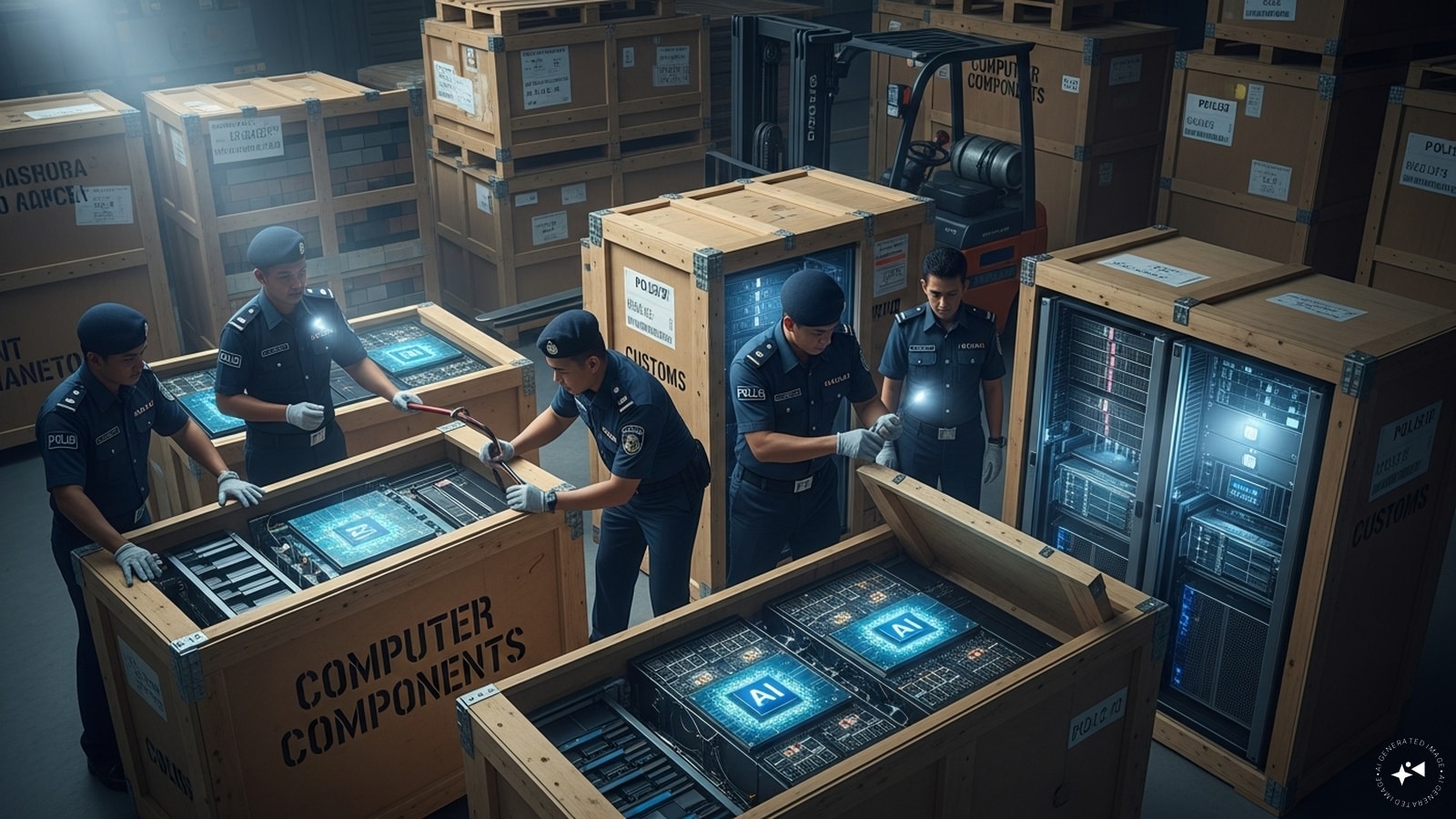
A single Starship launch is an exercise in resource consumption. The 40-story stainless steel transport system burns roughly 630,000 gallons of liquid methane alongside its liquid oxygen supply during a single flight. To keep up with this appetite, the company currently relies on a continuous fleet of heavy-duty tanker trucks traveling down Texas State Highway 4.
The math behind this transport system reveals why the current setup is unsustainable. It takes nearly 90 standard truck deliveries to fuel one full Starship and Super Heavy booster configuration. This creates hours of transit delays, massive security overhead, and vulnerability to market fluctuations. If the launch cadence increases to a weekly or daily schedule, the highway network would grind to a halt under the weight of an endless conveyor belt of hazardous materials.
Starpipe solves this. The planned 16-inch diameter pipeline will originate from an 83-acre parcel at the Port of Brownsville, a strategic location where SpaceX is currently negotiating a 50-year land lease. Instead of transporting pre-chilled liquid methane across hundreds of miles, the pipeline will carry standard, unrefined natural gas directly into the launch complex.
Building an On-Site Refinery
Transporting natural gas via pipeline is only half the battle. Rockets cannot burn gaseous fuel at atmospheric temperatures; they require super-chilled liquid methane cooled to minus 260 degrees Fahrenheit. Because of this, the implementation of Starpipe requires a massive infrastructure expansion at the launch pad itself.
Engineering plans submitted to the U.S. Army Corps of Engineers show that SpaceX intends to build an industrial liquefaction facility directly at Starbase. This facility will act as a dedicated processing plant, taking gas straight from the pipeline, stripping out impurities, and condensing it into dense, cryogenic liquid fuel.
[Gas Infrastructure Flow]
Port of Brownsville Source -> 16-Inch Starpipe -> Starbase Liquefaction Plant -> Cryogenic Storage Tanks -> Starship Booster
This on-site refinement strategy removes third-party industrial gas suppliers from the equation. It allows the company to purchase raw natural gas at wholesale market rates, drastically lowering the per-flight fuel costs. It also ensures strict quality control, preventing contaminants from entering the highly sensitive fuel systems of the Raptor rocket engines.
Moving In on the Texas Energy Market
The pipeline is not an isolated project. Land records in Cameron County reveal that a SpaceX affiliate named Lone Star Mineral Development has quietly acquired more than 100 oil and gas leases throughout Texas over the last few years.
This footprint shows that the long-term roadmap goes beyond transportation. SpaceX President Gwynne Shotwell recently indicated that the company intends to eventually drill, extract, and process its own natural gas reserves. For an aerospace enterprise to venture into upstream fossil fuel extraction is unprecedented, defying standard corporate boundaries.
Traditional aerospace contractors buy fuel from global energy conglomerates through long-term commercial contracts. SpaceX prefers to own the wells. This eliminates the risk of energy shortages, shields the company from shifting regulatory pressures on public utilities, and ensures that the fuel supply matches Musk's aggressive timelines rather than the pace of traditional energy providers.
The Gap Between Infrastructure and Regulation
The sheer scale of the 16-inch Starpipe reveals a significant disconnect between what SpaceX is building and what it is legally allowed to do. The Federal Aviation Administration currently caps Starship operations at Starbase at 25 launches per year.
A 16-inch pipeline possesses a flow capacity that far exceeds the requirements of two flights a month. This infrastructure is sized for a massive, heavy-industrial launch cadence numbering in the hundreds or thousands of flights annually. The pipeline represents an infrastructure gamble, constructing a multi-million-dollar energy corridor under the gamble that federal environmental and aerospace regulators will eventually yield to pressure and expand launch allowances.
| Infrastructure Asset | Current Operational Status | Long-Term Strategic Purpose |
|---|---|---|
| 16-Inch Starpipe | Construction starting July 2026 | Uninterrupted high-volume gas delivery from regional hubs |
| On-Site Liquefaction Facility | In engineering review phase | Elimination of third-party cryogenic liquid methane suppliers |
| Upstream Gas Leases | Acquired via Lone Star Mineral Development | Native extraction to completely insulate fuel costs from market shocks |
Environmental opposition remains a persistent obstacle to this expansion. Local conservation groups have voiced continuous concern over the transformation of the surrounding mudflats and coastal habitats into a heavy industrial zone. Introducing a high-pressure natural gas pipeline alongside a massive liquefaction facility increases the industrial footprint of the site, creating new targets for legal challenges and regulatory scrutiny from agencies tasked with protecting the sensitive Rio Grande Delta ecosystem.
Financial Risk and Market Valuation
The execution of these capital-intensive projects arrives at a complicated financial moment. Following its recent transition into a publicly traded environment, the company faces closer scrutiny from institutional investors. Market metrics indicate a highly premium valuation, with a price-to-sales ratio hovering near 79, demonstrating that the market is pricing in immense, uninterrupted future growth.
Building a pipeline requires deep capital expenditure with no immediate return on investment. If regulatory approvals stall or if the Starship development program experiences prolonged technical delays, these infrastructure investments risk becoming underutilized liabilities. Yet, the leadership team views this capital allocation as a structural requirement. Without the pipeline, Starship remains an experimental prototype tethered to a highway trucking schedule; with it, the vehicle transforms into an operational infrastructure platform capable of restructuring the global satellite and defense markets.
The construction phase scheduled to begin next month will serve as a practical test of this vertical model. If the project hits its target completion date of January 26, 2027, the logistics of spaceflight will change permanently. SpaceX will no longer be a customer of the energy sector. It will be an active participant, fueled by its own infrastructure and running on its own supply chains.
The competitive advantage this provides is difficult to overstate. While rival launch providers continue to negotiate multi-year procurement contracts with commercial gas distributors, the Starbase facility will draw fuel directly from regional infrastructure, transforming natural gas into orbital velocity at a scale that traditional aerospace models are entirely unequipped to match.