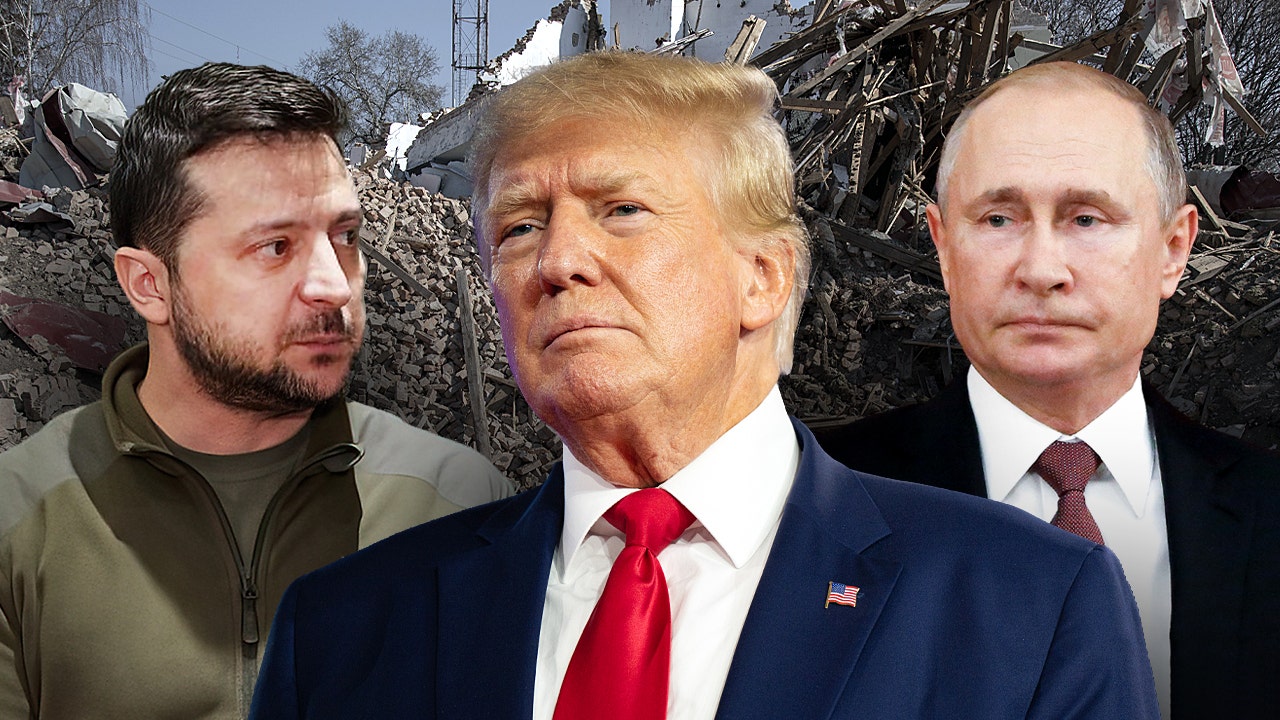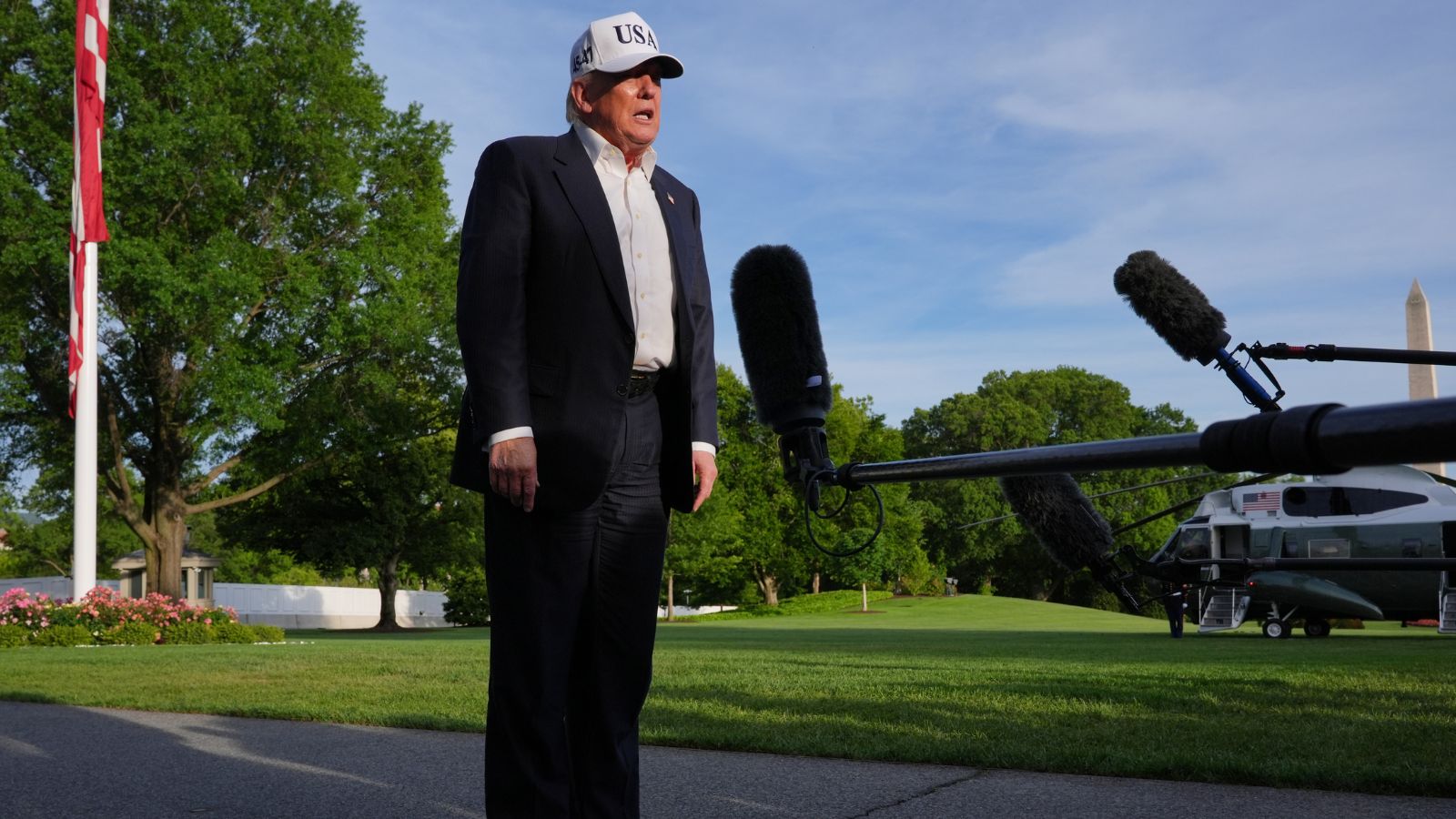
The joint military operation that eliminated Abu-Bilal al-Minuki in Nigeria represents a tactical triumph for Washington and Abuja, but it exposes a deeper, more unsettling reality about the survival strategy of the Islamic State. President Donald Trump announced on Truth Social that the global second-in-command of ISIS had been killed in a precision strike on his compound in the Lake Chad Basin. While the White House declared that the group’s global network is now greatly diminished, the focus on high-value targeting ignores the structural shift that allowed a Nigerian national to run the world's most feared terrorist syndicate from a remote African swamp.
Al-Minuki was not hiding in Africa. He was ruling from it.
The death of the veteran commander, also known as Abubakar Mainok, ends a multi-year intelligence hunt. Settled in the borderlands where Nigeria, Niger, Chad, and Cameroon converge, al-Minuki ran the al-Furqan office, a key node of the ISIS General Directorate of Provinces. This was the administrative and financial engine room that kept the global brand solvent after its Middle Eastern caliphate collapsed in rubble seven years ago.
Understanding his rise requires looking beyond the immediate politics of the raid. The true story lies in how the center of gravity for global jihad migrated from the deserts of Syria to the scrublands of the Sahel.
The Financial Architect of the New Caliphate
To understand why al-Minuki mattered, one must understand how modern ISIS functions. The group is no longer a centralized bureaucracy operating out of Raqqa or Mosul. It is a franchise network where the strongest subsidiaries prop up the dying parent company.
Al-Minuki was the architect of this fiscal reality.
As the head of the al-Furqan office, he controlled the flow of international funding that moved across borders via informal hawala networks, smuggling routes, and cryptocurrency wallets. Western intelligence officials tracked his signature on operational guidance sent to terror cells not just in West Africa, but across the Middle East and parts of Europe. He managed an economy built on illicit cattle rustling, artisanal gold mining, and protection rackets imposed on vulnerable fishing communities around Lake Chad.
When the US State Department designated him a Specially Designated Global Terrorist in June 2023, the move was a belated recognition that the threat had fundamentally mutated. Washington was still looking at the core in Iraq and Syria, while the real power was being consolidated by local commanders born in Borno State.
The Geopolitical Friction Behind the Raid
The precision strike that leveled al-Minuki's compound arrived after months of diplomatic friction. The Trump administration had been squeezing the government of Nigerian President Bola Ahmed Tinubu, accusing Abuja of failing to protect minority Christian populations in the northern regions from Islamist violence. Late last year, Washington bypassed traditional diplomatic channels to launch unilateral airstrikes against the Islamic State in the Sahel in Sokoto State on Christmas Day, a move that sent shockwaves through the Nigerian military establishment.
That friction makes the latest joint operation a delicate political compromise. Tinubu needed to demonstrate that his armed forces were competent partners capable of high-stakes counterterrorism. Trump needed a definitive victory to validate his administration's aggressive, direct-intervention approach in Africa.
The resulting mission was flawless on paper, but the political theater surrounding it masks a messy operational reality. Hundreds of US troops are now stationed in Nigeria to provide training, surveillance, and real-time intelligence backup. This footprint deepens Western involvement in an unconventional war that the local government has spent more than two decades trying, and failing, to contain.
Why Leadership Decapitation Fails in the Sahel
Military planners have long favored decapitation strikes because they offer clear, quantifiable victories. You kill the leader, you collect the intelligence, you declare success.
The strategy has an expiration date.
The Islamic State West Africa Province (ISWAP), the group al-Minuki helped build, has proven remarkably resilient against leadership loss. When its previous chief, Mamman Nur, was eliminated in 2018, external analysts predicted an internal civil war that would fracture the movement. Instead, the group reorganized, streamlined its command structure, and intensified its territorial control over the Lake Chad Basin.
[ISIS General Directorate of Provinces]
               │
               ▼
      [Al-Furqan Office] (Led by al-Minuki)
               │
       ┌───────┴───────┐
       ▼               ▼
    [ISWAP]         [ISSP]
 (Nigeria/Chad)  (Niger/Mali)
The organization survives because it exploits systemic state failure. In the regions where al-Minuki operated, the state does not exist. There are no schools, no judicial systems, and no police forces. ISWAP fills the vacuum by administering its own brutal form of justice, digging wells, and providing security to traders in exchange for taxes. A precision drone strike can vaporize a commander, but it cannot install a functioning government in areas abandoned by the capital.
The Decentralized Threat
The declaration that ISIS is paralyzed by this strike overlooks the hydra-like structure of the modern movement. Even as ISWAP absorbs the blow in the northeast, a new, aggressive affiliate known locally as Lakurawa has begun terrorizing villages in northwestern states like Sokoto and Kebbi. These factions operate with a high degree of autonomy, relying on local grievances rather than direct orders from a global command structure.
The global network will adapt. Another bureaucrat will step into the al-Furqan office, the ledger books will be handed over, and the smuggling routes will keep operating. The death of Abu-Bilal al-Minuki proves that Western intelligence can find anyone, anywhere, at any time. It does not prove that they can win the war.
The real challenge is not tracking a shadow commander through the marshes of Lake Chad. The challenge is contesting the space that allowed him to build a terror empire in plain sight. Until the structural vulnerabilities of the Sahel are addressed, eliminating the second-in-command simply clears the path for the third.