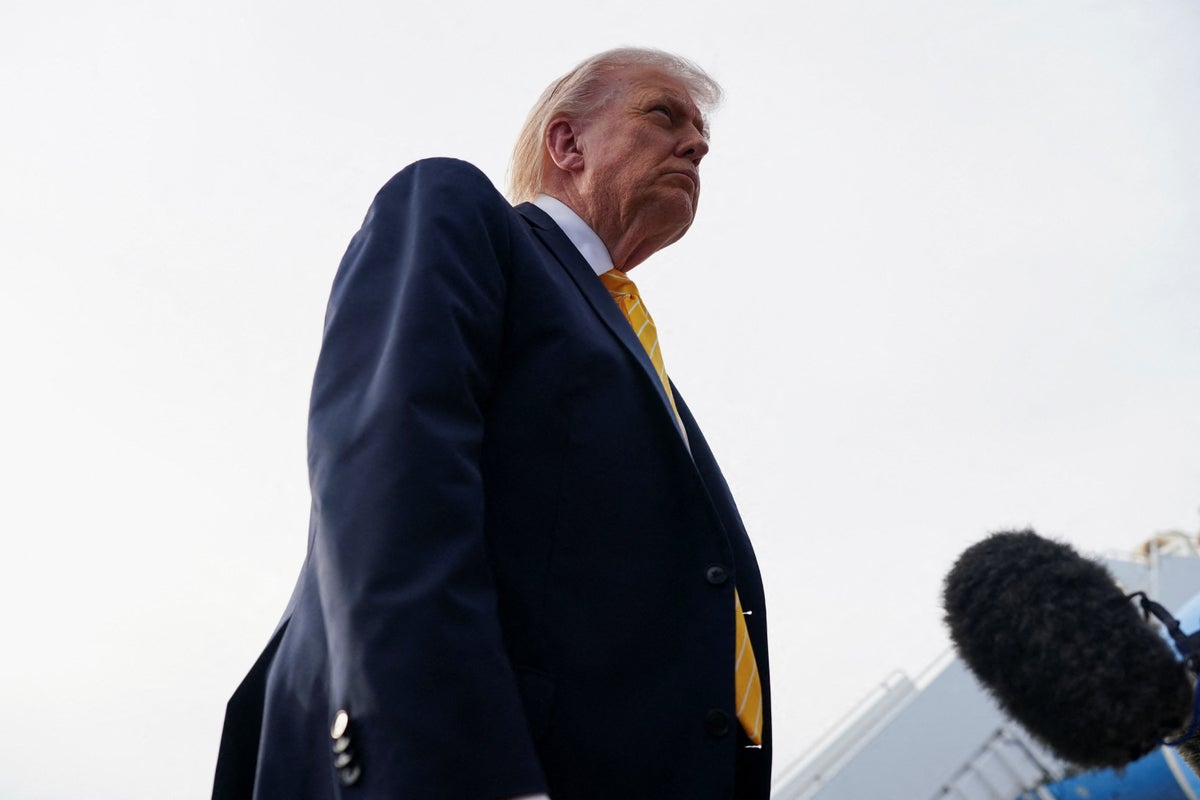
The ultimatum arrived not through a diplomatic cable, but via a social media post that served as a digital bayonet. On May 2, 2026, Donald Trump made it clear that the 14-point peace proposal recently floated by Tehran was dead on arrival. His reasoning was blunt: Iran has not "paid a big enough price" for nearly half a century of regional disruption. This is not just campaign rhetoric or the opening gambit of a seasoned negotiator. It is the signature of a second-term strategy that has moved past simple containment and toward a forced, fundamental dismantling of the Islamic Republic’s geopolitical architecture.
The current deadlock centers on a fundamental mismatch of expectations. Tehran is offering a return to a modified version of the 2015 nuclear deal, dangling the prospect of American investment in Iranian civilian nuclear reactors. In exchange, they demand the total lifting of sanctions and the withdrawal of U.S. forces from their borders. Trump, backed by a cabinet that includes hawks like Marco Rubio and JD Vance, is demanding something entirely different. They want the total elimination of enrichment capabilities, the scrapping of the ballistic missile program, and the end of the "Axis of Resistance."
The Maximum Pressure Trap
The administration’s "Maximum Pressure 2.0" is significantly more lethal than the first iteration. In 2018, the goal was to force a better deal. In 2026, the goal appears to be the total economic and structural exhaustion of the regime. By leveraging secondary sanctions that target any entity—including Chinese chemical firms and Emirati brokers—doing business with Tehran, the U.S. has effectively cornered the Iranian economy.
The numbers tell a story of a nation under siege. Oil exports, which Tehran hoped to stabilize through back-channel sales to Beijing, are being hunted by the U.S. Treasury with surgical precision. The "Snapback" mechanism, triggered in late 2025, has essentially locked Iran out of the European markets permanently. When Trump says they haven’t paid enough, he is looking at a regime that is still standing despite these blows. He is signaling that the floor for negotiations is no longer a compromise; it is a surrender.
The Internal Fracture
Inside Tehran, the 14-point proposal was less a sign of strength and more a desperate attempt to manage internal chaos. The "Operation Epic Fury" strikes launched by U.S. and Israeli forces in early 2026 shattered much of Iran’s air defense network. This left the country’s civilian and military infrastructure exposed, a vulnerability that has fueled "tremendous discord" within the leadership.
Hardliners within the Islamic Revolutionary Guard Corps (IRGC) are pushing for a "fight fire with fire" approach, evidenced by the recent unveiling of new ballistic missiles and threats to open "the gates of hell." Meanwhile, the foreign ministry, led by Abbas Araghchi, is trying to buy time through indirect talks in Muscat and Islamabad. This internal split is exactly what the White House is exploiting. By rejecting the peace plan, Trump is betting that the internal pressure will eventually cause the regime to crack from the inside out, rather than through a sustained ground war.
The China Factor and the High Stakes of Failure
The biggest wildcard in this high-stakes game is Beijing. Despite U.S. pressure, China continues to provide a vital, if narrowing, lifeline for Iranian petrochemicals. For the U.S. strategy to succeed, the administration must convince China that the cost of supporting Iran—via secondary sanctions and disrupted global energy prices—outweighs the benefit of a cheap oil supply.
If the "Maximum Pressure" campaign fails to produce a quick collapse or a total capitulation, the risk of a full-scale regional war skyrockets. Trump has already moved a second aircraft carrier into the Persian Gulf and erected missile launchers at Qatar's Al Udeid airbase. The message is clear: if the 14 points aren't replaced by a total concession, the next phase won't be a phone call from Islamabad, but a kinetic engagement designed to "finish them forever."
Fixing the Broken Peace Track
For a peace plan to actually work, it must move beyond the binary of "total surrender" versus "meaningless deal." A functional framework would require:
- Verified Dismantlement: Moving beyond "caps" on enrichment to the physical removal of centrifuges.
- Regional Security Guarantees: Addressing the missile program not as a side issue, but as the core threat to the Abraham Accords partners.
- Economic Off-Ramps: Providing clear, tiered sanctions relief that is tied to specific, observable behavioral changes rather than pinky-promises.
The current proposal from Tehran fails because it ignores the reality of 2026. The U.S. no longer fears a diplomatic vacuum; it is comfortable in the pressure. Tehran is negotiating for a world that existed in 2015. Trump is operating in a world where he believes the "big price" is finally within reach of being collected.
The standoff isn't just about centrifuges or oil barrels. It is about whether a revolutionary regime can survive an era where the world's largest economy is no longer interested in containment, but in a definitive conclusion.
Donald Trump: Iran has "not paid a big enough price" for their actions
This video provides the direct context of the President's latest statements regarding the inadequacy of the Iranian proposal and his broader dissatisfaction with the current state of negotiations.