If you’re staring at the meat counter this week feeling a sense of dread, you aren’t alone. The price tag on that Easter prime rib or honey-glazed ham is enough to make anyone do a double-take. We’ve been hearing about "food inflation" for years now, but 2026 is hitting differently. Specifically, beef prices in Canada have jumped nearly 14% over the last year. That’s not just a minor fluctuation; it’s a systemic squeeze that’s changing how we celebrate.
The reality is that your Easter meal will be the most expensive one on record. While overall inflation has teased us by hovering near the 2% target, the grocery aisle hasn’t received the memo. Meat is the primary culprit, with beef leading a pack that now includes surging pork and chicken prices. If you’re waiting for things to "go back to normal," I have some tough news. Experts like Sylvain Charlebois from Dalhousie University don't see a ceiling for these prices until at least mid-2027.
Why the Beef with Beef Prices?
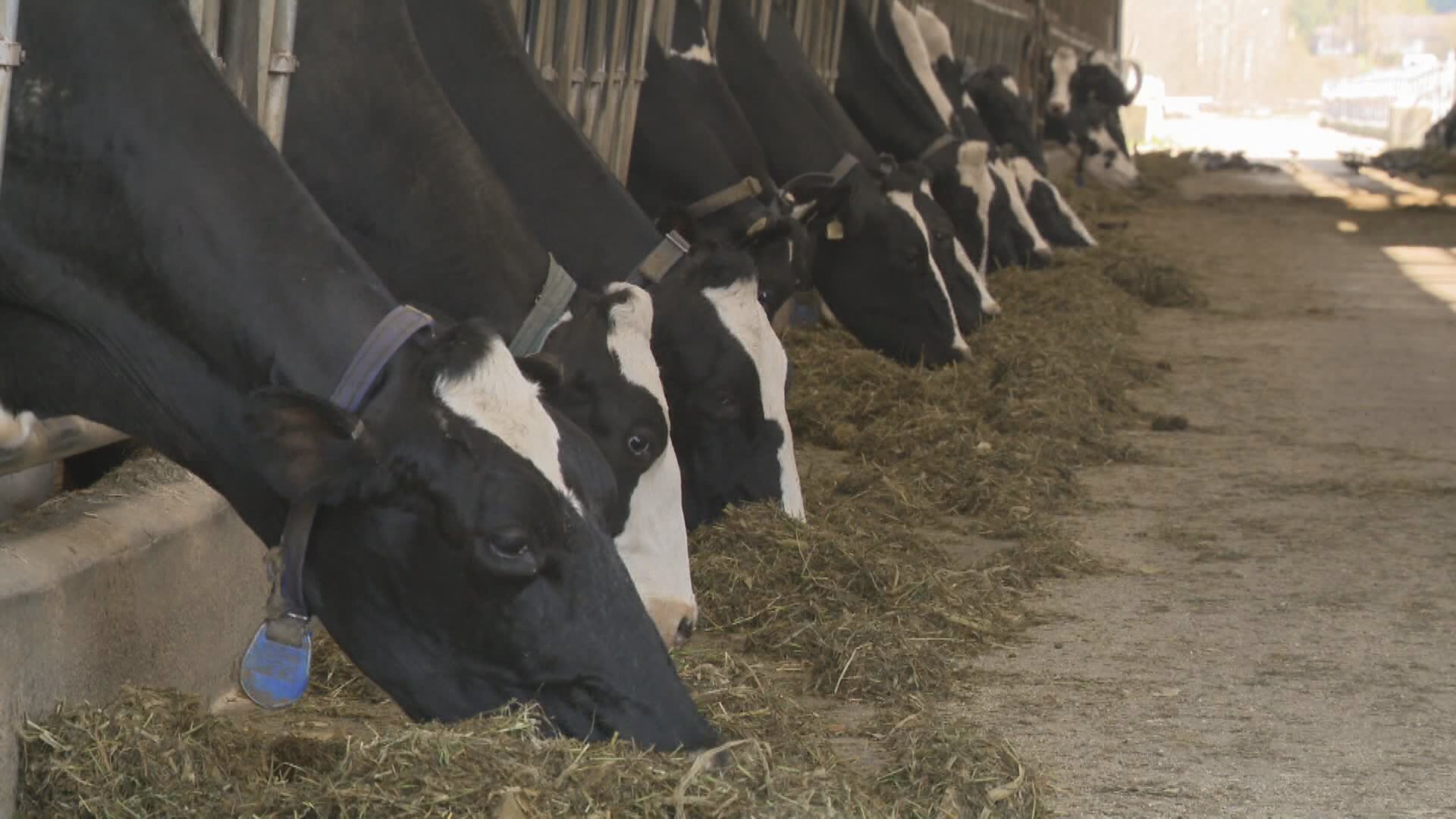
It’s easy to blame "corporate greed," but the math behind the steak is more complicated. Canada’s cattle herd is currently sitting at its smallest size since the late 1980s. Think about that for a second. We have roughly 15 million more people to feed than we did in 1989, but we’re working with the same number of cows.
Supply and demand 101 says that when the herd shrinks and the population grows, prices skyrocket. This isn't a fluke. A decade of brutal droughts in Western Canada forced many ranchers to sell off their cattle because they simply couldn't afford the hay. When a rancher "cashes out," that supply doesn't come back overnight. It takes years to rebuild a herd.
- Inventory Crisis: Even though we saw a tiny 2.5% bump in cattle numbers this January, it’s a drop in the bucket.
- Operating Costs: Diesel, fertilizer, and feed costs remain stubbornly high. Farmers aren't necessarily getting rich; they're just trying to keep the lights on.
- The U.S. Factor: Our neighbors to the south are in even worse shape, with their cattle inventory hitting a 75-year low. Since we share a North American market, their shortage keeps our prices pinned to the ceiling.
The Domino Effect on Pork and Chicken
You might think, "Fine, I'll just buy a ham or some chicken breasts instead." Nice try. Everyone else has the same idea. As Canadians "trade down" from expensive beef cuts, the increased demand for pork and poultry is driving those prices up too.
Pork prices have climbed over 9% year-over-year. If you’re planning on a traditional Easter ham, expect to pay about 10% more than you did last spring. Even chicken, once the reliable "budget" protein, has seen an 8% to 9% jump. We’re witnessing a massive pivot in consumer behavior. People are moving away from premium steaks and toward ground beef or secondary proteins, which effectively creates a new price floor for everything in the meat cooler.
Hidden Costs Beyond the Meat
It’s not just the roast. Have you looked at the candy aisle lately? "Shrinkflation" is hitting Easter treats particularly hard. Those chocolate eggs you buy every year are likely smaller and 40% more expensive than they were two years ago. High global cocoa prices and rising sugar costs are to blame here.
Energy prices are also playing a quiet role. Anything that requires a "cold chain"—meaning it has to stay refrigerated from the farm to the store—is getting hit by rising diesel and electricity costs. Since meat is the ultimate cold-chain product, it absorbs these costs more than a bag of dry lentils would.
How to Actually Save on Your Easter Dinner
If you want to keep your budget intact without serving a bowl of cereal for Easter dinner, you have to change your strategy. Forget what you "usually" do and look at what the market is giving you.
- Stop buying "Prime": Look for "AAA" or even "AA" cuts. With a slow cooker or a solid marinade, you can make a cheaper cut taste like a million bucks.
- The "Last Minute" Gamble: Grocers often overstock for holiday weekends. If you have the nerves for it, waiting until the Saturday evening before Easter can sometimes net you a "Reduced for Quick Sale" sticker on a major roast.
- Food Rescue Apps: Seriously, use them. Apps like Flashfood or Too Good To Go are gold mines for meat that is approaching its best-before date. You can easily save 50% or more if you freeze it immediately.
- Embrace the "Potluck": Gone are the days when the host was expected to provide the $150 roast, all the sides, and the wine. It's 2026. Everyone knows things are expensive. Ask your guests to bring the protein and you handle the cheaper (but filling) sides like potatoes and root vegetables.
The Long Road to Relief
We are currently in a transition period. While interest rate cuts in late 2025 have helped some businesses access cheaper loans, that relief hasn't trickled down to the consumer yet. The Grocery Code of Conduct, which became fully operational in January 2026, aims to bring more transparency to the industry, but it isn't a magic wand for lower prices.
The hard truth is that we’re paying for a decade of climate instability and shifting trade policies. We’ve seen a 27% increase in food prices over the last five years alone. For a family of four, the total food bill for 2026 is projected to hit over $17,500. That’s nearly a thousand-dollar jump from last year.
Don't expect the meat counter to look friendly anytime soon. Until the North American cattle herd sees a massive, multi-year recovery, beef will remain a luxury item. If you want a roast this Easter, buy it on sale, cook it slow, and don't waste a single scrap of the leftovers.
The era of cheap protein in Canada is officially over. We're all just learning how to cook around it.