The National Iranian Oil Company is learning a brutal lesson in free-market economics. A sudden 60-day US sanctions waiver has opened a narrow window for Tehran to clear 68 million barrels of crude currently floating at sea, but Asia’s largest oil importers are turning their backs.
Despite frantic, pre-emptive outreach by Iranian middlemen to state-owned and private refiners in India, Japan, and South Korea, the expected flood of bookings has materialized as a mere trickle. This failure is not a result of diplomatic timidity. It is the direct consequence of oversupplied regional markets, alternative supply lines locked in through August, and deep structural reluctance to handle a "dark fleet" that cannot be easily insured or integrated into modern compliance frameworks. Tehran wanted a bidding war; instead, it found an empty room.
The Mirage of the Sixty Day Window
When the US Treasury Department issued a general license permitting the production, sale, and transport of Iranian crude until August 21, it was envisioned as a diplomatic lubrication mechanism for broader peace talks in Switzerland. For Tehran, it looked like an instant cash injection. More than 80 percent of those 68 million floating barrels have no confirmed destination.
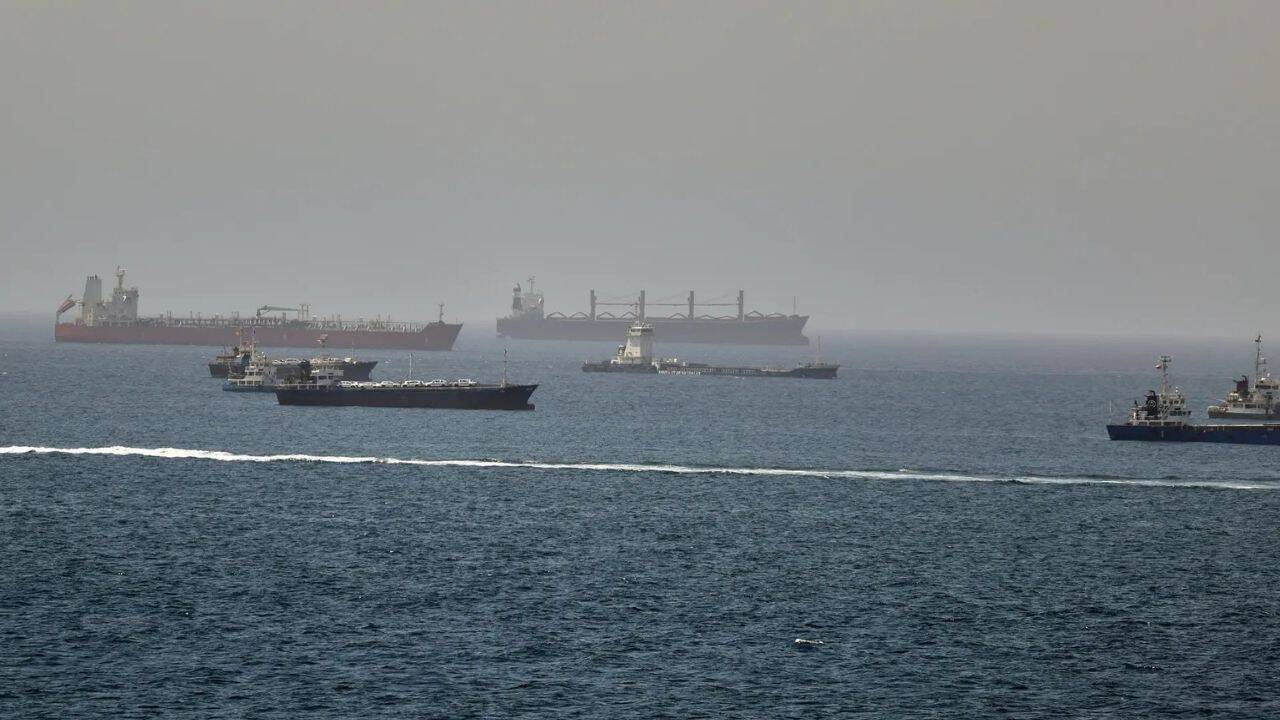
On paper, the logistics look impeccable. An Iranian tanker idling in the Indian Ocean can reach processors on the western coast of India within two to three days. For an industry that measures profit margins in pennies per barrel, that kind of prompt delivery should be irresistible.
It is not. The fundamental flaw in Tehran’s strategy is a complete misreading of Asian refinery buying cycles. Large-scale oil processors do not shop hand-to-mouth. By the time the waiver was stamped in Washington, major buyers in Mumbai, Seoul, and Tokyo had already finalized their crude slates and booked their transport arrays through the end of August.
The Contango Trap and Locked Supply Chains
To understand why Asian refiners are walking away from cheap Iranian crude, one must look at the physical structure of the market. The Middle Eastern benchmark grades, specifically Dubai and Murban, are trading in a structural contango. This means prompt physical barrels are cheaper than future deliveries, a classic sign that the market is entirely saturated with oil.
Furthermore, the months of maritime disruption surrounding the Strait of Hormuz forced Asian buyers to build defensive operational buffers. They spent the spring aggressively securing long-term supply arrangements with producers in the US Gulf Coast, West Africa, and Latin America.
Consider the operational reality of an Indian refining executive. If a refinery has already purchased its contractual volumes from Abu Dhabi or Saudi Arabia, and has US sweet crude already riding across the Atlantic, there is no physical space to drop an unexpected cargo of Iranian Heavy crude. Halting an existing contractual shipment to make room for a spot cargo from Tehran would trigger massive financial penalties from established state producers.
Independent Chinese refiners, known colloquially as "teapots," remain the only group structurally optimized for this crude. For years, these small processors in Shandong province have survived on deeply discounted, sanctioned barrels from Iran and Russia. When news of the US waiver broke, Iranian sellers briefly halted offers to China, attempting to reprice their oil higher for a broader Asian audience. That gamble backfired instantly. When Indian and Korean buyers demurred, the Iranian marketers had to quietly return to the Chinese independent market, where they lack any real leverage to roll back the steep discounts the teapots demand.
The Compliance Nightmare of the Dark Fleet
Even if a refiner has the physical capacity to process Iranian crude, the logistical infrastructure required to move it remains toxic to mainstream corporate compliance departments.
During the years of maximum pressure sanctions, Iran constructed a sprawling shadow logistics network. This dark fleet consists of aging tankers operating under flags of convenience, frequently turning off their automatic identification system transponders, and conducting risky ship-to-ship transfers in international waters to mask the origin of the cargo.
The US waiver allows mainstream banks, maritime insurers, and shipping companies to facilitate Iranian oil sales for 60 days. But a temporary legal hall pass does not rewrite corporate risk profiles overnight.
- The Insurance Deficit: Major maritime insurance pools, dominated by the International Group of P&I Clubs, operate on annual cycles and are heavily bound by UK and European legal structures. A brief 60-day window from Washington does not automatically trigger a re-underwriting of vessels that have spent years operating in the maritime shadows.
- The Transshipment Problem: Mainstream commercial ports in Japan and South Korea maintain strict safety and verification protocols. They are structurally unwilling to dock vessels with unverified maintenance records or histories of disabling tracking systems, regardless of what the US Treasury says.
- The Legacy Liability: Compliance officers at publicly traded energy firms look at the calendar and see August 21 approaching like a cliff. If a financial transaction slips by a single day due to a banking delay or a maritime bottleneck, the asset instantly reverts to being a sanctionable entity. The legal fees alone would erase any imaginable discount on the crude.
Where Energy Cooperation Actually Lands
If crude oil exports are failing to gain traction, the real economic activity under this waiver will occur in secondary markets. Analysts monitoring regional trade flows indicate that if New Delhi and Tehran find common ground during this 60-day window, it will be found in liquefied petroleum gas, petrochemical precursors, and fertilizers.
These products do not require the massive, highly visible supertankers that crude oil demands. They move through smaller, highly specialized supply chains where independent distributors can move quickly without attracting the level of global regulatory scrutiny focused on a 2-million-barrel crude oil cargo.
The underlying reality of global energy markets in 2026 is that supply security trumps opportunistic spot purchasing. Asian state refiners spent a decade decoupling their supply chains from Iranian supply vulnerabilities. They rebuilt their distillation units to optimize other crude blends, signed multi-year supply contracts with alternative producers, and insulated their financial operations from Washington's shifting political winds. Tehran believed that lifting the sanctions barrier would instantly restore the old trade routes. Instead, they are discovering that once an energy supply chain is broken and re-welded, it cannot be put back together in sixty days.