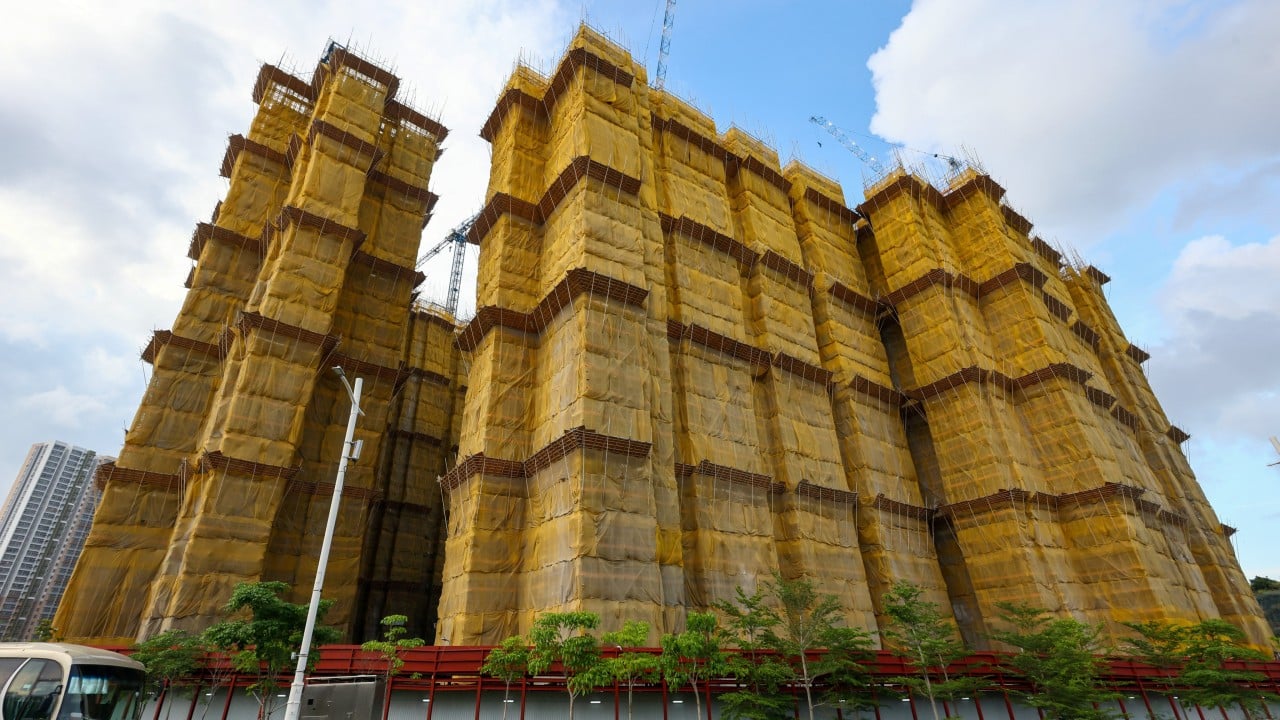
When a multi-billion-dollar developer chooses to knock down concrete towers rather than patch them up, the entire construction ecosystem takes notice. CK Asset's decision to completely demolish and rebuild three residential blocks at its Anderson Road starter homes project in Kwun Tong marks a severe escalation in Hong Kong's ongoing structural integrity crisis. This is not merely a corporate PR recovery effort. It is an admission that shortcuts taken in the foundation of urban housing have catastrophic long-term costs.
The underlying mess began long before the heavy machinery arrived to level the site. Investigations laid bare a web of systemic corruption and oversight failures, spearheaded by allegations that site supervisors accepted bribes to look the other way while reinforcement steel bars fell far short of government-approved blueprints. The Buildings Department responded with force, initiating over two hundred individual prosecutions against contractors, authorized signers, and technical personnel.
For years, the industry operated on an unwritten understanding that minor deviations in reinforcement density could be retrofitted with external steel plates, chemical grouting, or internal bracing. Remediation was the default language of engineering mishaps. But when the deviations across the Anderson Road towers proved too extensive for surface fixes, reality caught up with the developers. Three towers received green lights for structural remediation, while the remaining three hit a dead end that demanded total erasure.
The economic ramifications for high-density housing developments are staggering. Building a high-rise residential tower in an elevated, resource-constrained corridor like Kwun Tong involves complex logistics, tight margins, and precise scheduling. Tearing down completed concrete structures means throwing away millions of dollars in raw materials, thousands of hours of labor, and months of precious timeline predictability. More importantly, it shatters public confidence in affordable housing initiatives designed to ease the city's housing shortage. When starter homes—meant to be the bedrock of security for young families—are compromised by missing steel bars, the social contract frays.
Subcontracting chains often bear the brunt of the blame, but the structural rot goes deeper. When margins shrink and completion deadlines tighten, supervision budgets are often the first to be squeezed. Site supervision staff, tasked with verifying that rebar cages match engineering load requirements, become vulnerable targets for bribery. The Independent Commission Against Corruption pointed directly to fraudulent inspection forms where supervisors signed off on work they never actually inspected.
This scandal is an isolated headline only if one ignores the broader pattern plaguing regional infrastructure. Similar reinforcement scandals have surfaced across luxury residential sites and commercial conversions, proving that corner-cutting is an industry-wide contagion rather than an isolated corporate failure. The traditional defense—that project management layers insulate the developer from ground-level malfeasance—no longer holds up in a climate of intense regulatory scrutiny.
Regulators are signaling that the era of quiet settlements and internal wrist-slaps is over. With court proceedings looming for those implicated in the bribery network, developers face a stark operational reality. Oversight must be automated, transparent, and completely independent of the entities pouring the concrete. Trust, once mixed into a faulty batch of foundation pillars, is nearly impossible to pour back in.
Rebuilding three concrete monoliths from scratch is an expensive confession. It forces the market to confront the true price of negligence, turning a local construction site into a monument to accountability.