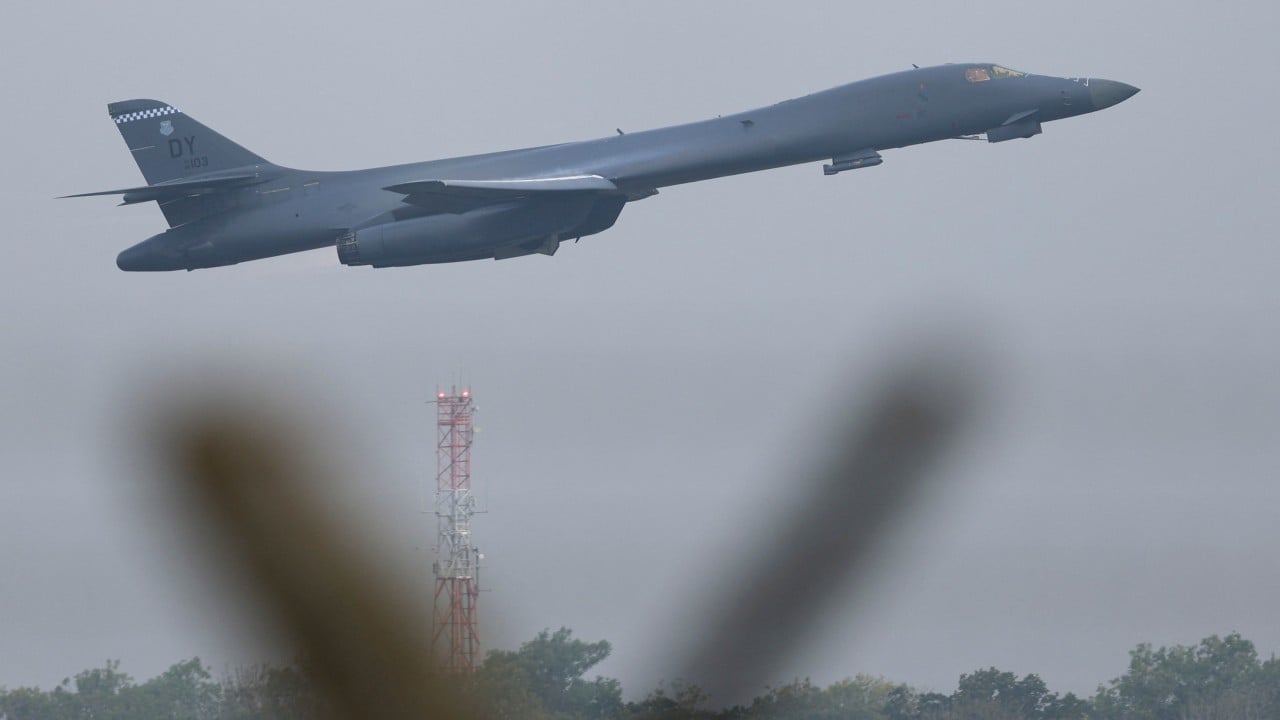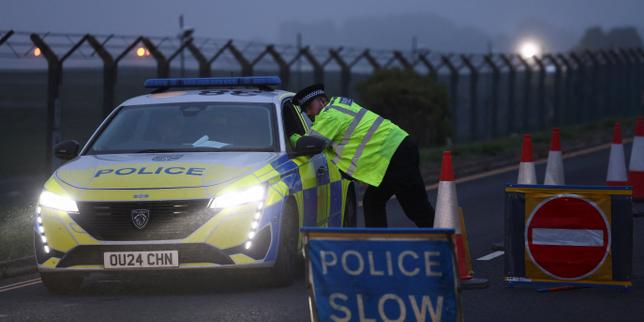
When counter-terrorism police swarmed the perimeter of RAF Fairford in Gloucestershire, panic spread instantly. A major security alert at a critical military installation housing United States assets naturally triggers worst-case assumptions. Early reports pointed to a terrifying plot, suspicious vans, and potential explosive devices meant to inflict massive damage. Yet, the reality uncovered by investigators was far more nuanced and complex than the initial hysteria suggested.
If you dug past the breaking news headlines, a stark technical detail stood out. British bomb-disposal experts deployed tactical robots to comb through the suspicious vehicles linked to the detained suspects. The search yielded zero explosives. Instead, police recovered significant quantities of petrol stored inside the vans. That single discovery shifted the entire narrative from a classic bomb plot to a potential arson or sabotage mission utilizing readily available fuel as an accelerant.
Untangling the Investigation and Suspect Releases
The immediate aftermath saw multiple arrests under the UK Explosives Act, followed quickly by the release of several suspects on police bail. Local residents expressed frustration and confusion online, wondering how individuals tied to a high-profile national security incident could walk out of custody so soon. Critics questioned whether the initial dragnet was an overreaction or a necessary precaution given the escalating threat landscape.
Intelligence analysts point out that modern counter-terrorism operations often require arresting suspects early to disrupt active surveillance or logistical staging before an attack materializes. Releasing them on bail doesn't mean the investigation closes. It often means law enforcement is gathering digital evidence, tracking financial trails, and waiting for international intelligence cooperation to solidify a prosecutable case.
The Broader Geopolitical Context
This incident at RAF Fairford didn't happen in a vacuum. British officials have repeatedly noted a sharp spike in hostile state activity, with national security cases involving foreign actors climbing significantly over the past year. Tensions involving Iranian operations targeting Western assets have put military bases across the United Kingdom on permanent high alert. When authorities later filed formal federal charges in the United States against individuals accused of acting as foreign agents in connection to the plot, the local Gloucestershire scare tied directly into a wider international security puzzle.
Security protocols at joint UK-US bases face unprecedented stress tests. Between suspected unauthorized drone incursions and intelligence warnings about proxy operatives scouting airfield perimeters, military installations are dealing with a shift from conventional threats to asymmetric, gray-zone harassment.
What This Means for Future Base Security
We're watching a permanent shift in how military infrastructure is defended on home soil. Perimeter walls and standard guards aren't enough when hostile actors use commercial surveillance, rented vans, and improvised methods to probe weaknesses. Expect tighter restricted zones, advanced counter-drone jamming technologies, and much faster evacuation triggers whenever suspicious movement is spotted near sensitive runways.
If you live near a major defense facility, anticipate more frequent local disruptions, heightened police visibility, and stricter reporting guidelines for neighborhood activity. Staying informed means looking past initial sensational headlines and focusing on verified updates from official security agencies as investigations unfold.