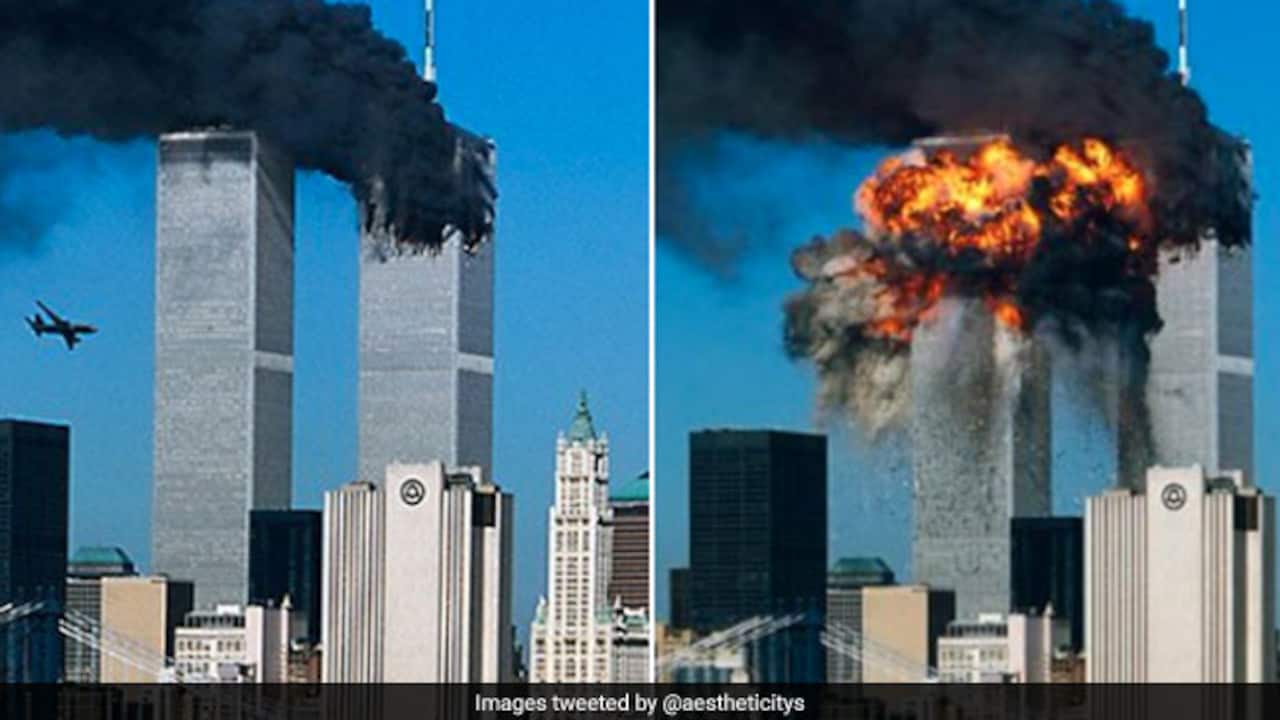
Every time a tragedy happens, the media dusts off the exact same tired script. A neighbor steps in front of a camera, shakes their head, and delivers the mandatory line: "Always smiling, very friendly."
It happened after Oklahoma City. It happened after 9/11 in suburban San Diego. It happens every single time law enforcement hauls away a high-profile suspect who lived quietly down the hall. Journalists treat this observation like a revelation. They frame neighborly politeness as a subtle warning sign, an insidious mask worn by monsters trying to blend in.
This framing is lazy, paranoid, and fundamentally detached from reality.
I spent over a decade working inside high-threat security environments and risk assessment frameworks. I have sat through hundreds of post-incident briefings and behavioral profiling seminars. I have seen institutions blow millions of dollars on behavioral tripwires that look great on a slide deck and fail entirely in the field.
The obsession with the polite neighbor is a comforting delusion. It lets society pretend that dangerous people look dangerous, that evil wears a neon sign, and that if you just pay close enough attention to the guy mowing his lawn, you will spot the anomaly.
The truth is much worse. The average person is polite because society demands basic friction-free friction to function.
The Myth of the Behavioral Tell
Let us look at the mechanics of human behavior under pressure. The lazy consensus argues that operatives or extremists maintain a hyper-vigilant, secretive, paranoid lifestyle that leaks subtle behavioral cues to anyone observant enough to notice.
The data says the exact opposite.
Operational security, or opsec, is built on blending in, not standing out. A person attempting to evade detection does not snarl at the mailman or pick fights at the local bodega. They tip well, they pay their rent on time, they keep their grass trimmed, and they say hello in the hallway. They are remarkably boring because boring is invisible.
When reporters track down landlords and neighbors after a major event, they are hunting for clues to fit a narrative that has already been written. The landlord remembers the tenant as quiet because quiet tenants are the ideal customer. When retrospective bias kicks in, every benign interaction gets reinterpreted through a dark lens. The smile becomes sinister. The lack of noise becomes calculated stealth.
If you walk down an apartment corridor in any major metropolitan area, ninety percent of the people you pass are smiling, polite, and completely unremarkable. If you apply the post-9/11 media logic backward, every single one of them is a potential threat. That is not vigilance. That is clinical paranoia.
What Real Risk Looks Like
If you want to understand security risks, stop looking for movie tropes. Real risk management is boring, structural, and institutional. It relies on financial tracking, digital footprints, and logistics chains. It does not rely on whether apartment 4B brought in their trash bins on Tuesday morning.
Let us define the core failure here. In threat mitigation, we distinguish between anomalies and patterns. An anomaly is an event that deviates from the baseline. A pattern is a systemic sequence of actions. Neighbors are terrible at spotting patterns because they only see surface-level anomalies. They notice if a car is parked in the wrong spot or if someone plays loud music. They completely miss transactional behaviors, financial irregularities, and digital communications because those happen behind closed doors.
The focus on neighborly demeanor is a distraction from systemic vulnerabilities. When governments and private security firms prioritize public vigilance campaigns that tell citizens to "report suspicious behavior," they are essentially crowdsourcing intelligence collection to people with zero training and maximum cognitive bias.
Imagine a scenario where an apartment building management company actually trains its staff to flag every tenant who smiles too much or keeps to themselves. Within a week, every introvert in the building gets evicted, half the complex is under surveillance, and the actual bad actor—who happens to be loud, obnoxious, and socially integrated—walks right past security without a second glance.
That is the absurdity of the polite-tenant narrative. It penalizes normal human variation while offering zero predictive value.
The Cost of Security Theater
Security theater makes us feel like we are participating in our own defense. Checking out your neighbor, wondering if the guy buying fertilizer at the hardware store has an agenda, feeling a spike of adrenaline when someone looks too friendly—it gives the illusion of control in a chaotic world.
It is entirely useless.
I have watched corporate boards sign off on security audits that focused entirely on cosmetic access controls while leaving core data systems wide open. Individuals do the exact same thing in their daily lives. They lock their front doors twice, worry about the strangers on the block, and ignore the massive vectors of risk sitting in their pockets or running through their routers.
The fixation on the friendly tenant acts as a psychological defense mechanism. If we accept that violent actors can look, act, and sound exactly like normal, pleasant human beings, then the world becomes fundamentally unpredictable. We cannot screen for it simply by watching who walks down the stairs. That realization is uncomfortable, so we cling to the myth of the telltale sign.
Stop Asking the Wrong Questions
People love to ask how we can better vet our neighbors, how landlords can screen for hidden radicals, and how communities can become more insular and observant to keep themselves safe.
These are the wrong questions.
You cannot vet your way out of human complexity. You cannot design a society where everyone is aggressively transparent without turning that society into an authoritarian panopticon. And even if you tried, it wouldn't work. The most dangerous individuals in history understood the social contract well enough to weaponize its pleasantries against it.
The next time a major news story breaks and a reporter shoves a microphone in front of a bewildered local resident who mutters about how quiet and polite the suspect was, change the channel. They aren't describing a warning sign. They are describing a human being who figured out how to use basic manners to keep the world from looking too closely.


