A Quiet Empire Looks at a Fragile Crown
Retail is rarely won on store floors. It is won in silent, carpeted boardrooms where executives stare at balance sheets, trying to decipher whether a heritage brand is a sleeping giant or a fading memory.
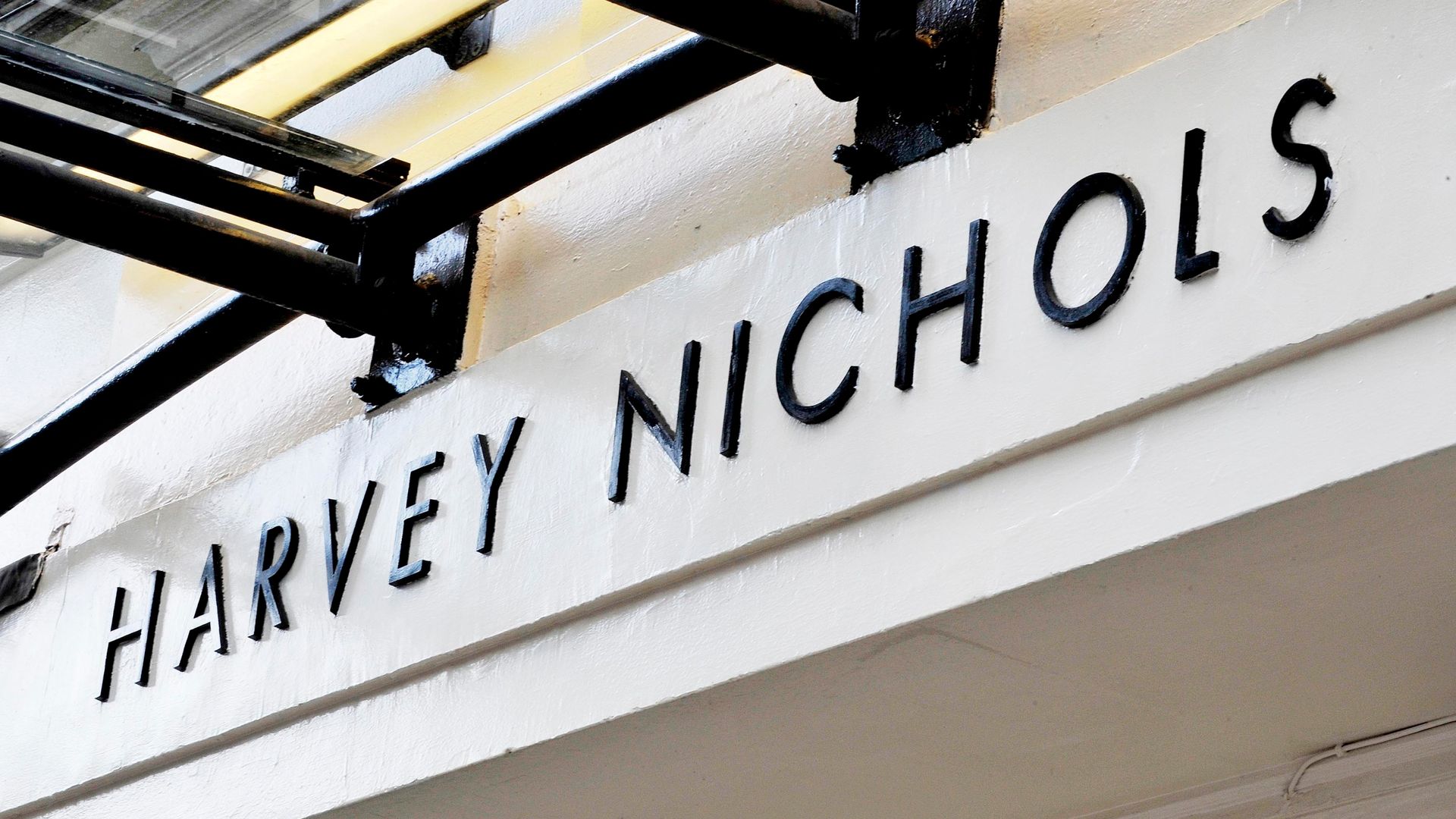
Consider the modern luxury department store. For decades, these cathedrals of consumption stood unfazed by economic shifts. Knightsbridge was the epicenter, and Harvey Nichols was its sharp, irreverent darling. But times change. Consumer habits shift with terrifying speed. Today, behind the polished brass and heavy glass doors, the traditional department store model faces a quiet, structural reckoning.
Enter TG Jones. Enter Modella.
To the casual shopper walking down Sloane Street, these corporate names mean very little. They do not evoke the scent of expensive perfume or the weight of hand-stitched leather. Yet behind the scenes, Modella Capital—the investment vehicle steering the turnaround of historic retail brand TG Jones—is quietly weighing an ambitious move: a potential bid for Harvey Nichols.
This is not merely a story about private equity acquiring a high-street name. It is a narrative about survival, legacy, and the relentless drive to redefine luxury retail in an era where convenience often trumps experience.
The High-Stakes Math of High-End Retail
To understand why a firm like Modella would look at Harvey Nichols, you have to understand the modern geometry of luxury trade.
Running a luxury retail empire is a razor-edge proposition. Real estate in prime international locations is brutally expensive. Footfall is fickle. Wealthy shoppers no longer buy luxury simply because a store carries a prestigious crest above the entrance; they expect tailored digital experiences, hyper-exclusive curations, and an environment that feels distinct from the sea of online direct-to-consumer outlets.
When Harvey Nichols was at its peak, it was the anti-establishment alternative to the grand traditionalism of Harrods. It was cool. It was edgy. It was where culture met fashion. Over the last decade, however, the economic backdrop for mid-sized luxury department stores has grown punishingly complex. Supply chain inflation, shifts in international tourism spending, and the soaring costs of maintaining massive physical footprints have squeezed margins tight.
Modella sees what many traditionalists miss: an asset with immense cultural equity that has been constrained by operational drag.
Taking over a brand like Harvey Nichols is not about buying inventory. It is about buying history and attempting to engineer a turnaround before the clock runs out.
Imagine a master clockmaker looking at an antique watch. The gears are worn, the mainspring has lost tension, and it keeps terrible time. Most people see a broken object. The specialist sees the rare casing, the irreplacable internal design, and the immense value that returns once every cog is restored. That is the exact thesis guiding Modella's interest.
Why Legacy Alone Won't Pay the Rent
There is a dangerous trap in retail: confusing legacy with longevity.
A storied name might get a customer through the door once out of nostalgia, but it will not make them buy a two-thousand-dollar coat or return six weeks later for seasonal collections. The fundamental issue facing department stores globally is that the traditional wholesale-to-retail model is fraying at the edges. Brands want direct relationships with their buyers. They want their own standalone boutiques. They want control over their pricing and their narrative.
For a department store to thrive today, it must become more than a middleman. It has to act as a curator, a media house, and a destination all at once.
This is where the playbook from TG Jones becomes relevant. Turning around a struggling retail operation requires ruthless discipline. It means cutting low-margin clutter, renegotiating vendor terms, streamlining supply chains, and pouring capital back into digital integration and experiential space.
If Modella proceeds with a formal bid for Harvey Nichols, the playbook will not be about maintaining the status quo. It will be about radical modernization.
Think about the physical reality of these stores. Thousands of square feet devoted to display racks that sit untouched for hours. The cost per square foot demands that every corner of the floor generates value. That might mean shifting space away from traditional apparel racks toward bespoke dining experiences, private client lounges, or exclusive pop-up collaborations that change every month.
The Human Cost Behind the Balance Sheet
Corporate announcements talk in sterile terms: synergies, portfolio optimization, restructuring options.
What those words actually translate to are human lives and real-world friction.
Inside the halls of Harvey Nichols, from the sales advisors on the beauty floor to the buying teams tracking European fashion houses, news of a potential takeover breeds quiet anxiety. Acquisitions mean change. They mean shifts in culture, strategic pivots, and the inevitable pressure to do more with less.
Yet, paradoxically, an acquisition is often the only thing that saves a historic brand from slow drift into irrelevance. Capital injection brings stability. A clear operational strategy brings purpose.
The luxury industry is watching closely because this is a litmus test for the broader sector. If a firm like Modella can successfully recalibrate a brand with the weight and heritage of Harvey Nichols, it provides a blueprint for how legacy brick-and-mortar retail can navigate the mid-2020s and beyond.
The Intersection of Tradition and Turnaround
The move is far from a done deal. Weighing a tilt is private equity language for testing the waters, running the numbers, and waiting to see if the valuation aligns with the underlying risk.
Harvey Nichols carries significant weight, but it also carries operational debt and complex structural needs. Modella must weigh whether the capital required to reshape the business will yield a strong enough return in a volatile global market.
The challenge is stark:
- Re-engaging younger luxury consumers who prioritize digital-first engagement.
- Balancing the high cost of flagship physical locations against fluctuating foot traffic.
- Maintaining the store's distinct cultural identity while overhauling back-end operations.
If you strip away the financial jargon, retail remains a profoundly human transaction. It is about desire, identity, and the thrill of discovery. A great department store does not just sell products; it creates a sense of place. It makes the act of shopping feel like a cultural event.
In the mahogany-lined rooms where Modella’s strategists run their financial models, the math ultimately comes down to a single question: Can Harvey Nichols be made magnetic again?
The answer will not be found in historical prestige or nostalgic affection. It will be decided in the coming months through cold calculation, aggressive strategy, and the courage to dismantle what no longer works to make room for what might.
Outside, on the streets of London, the glass doors tilt open and close as shoppers step inside, oblivious to the high-stakes calculations taking shape above their heads. The lights shine bright on the display cases, waiting for the next chapter to begin.