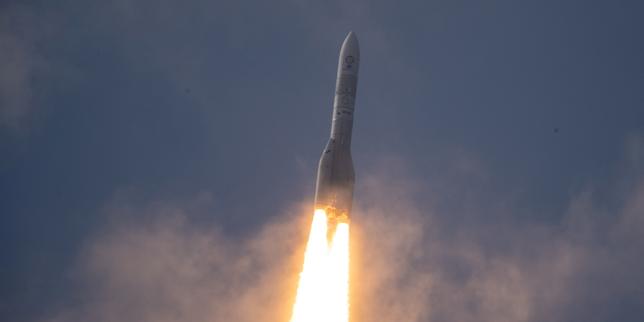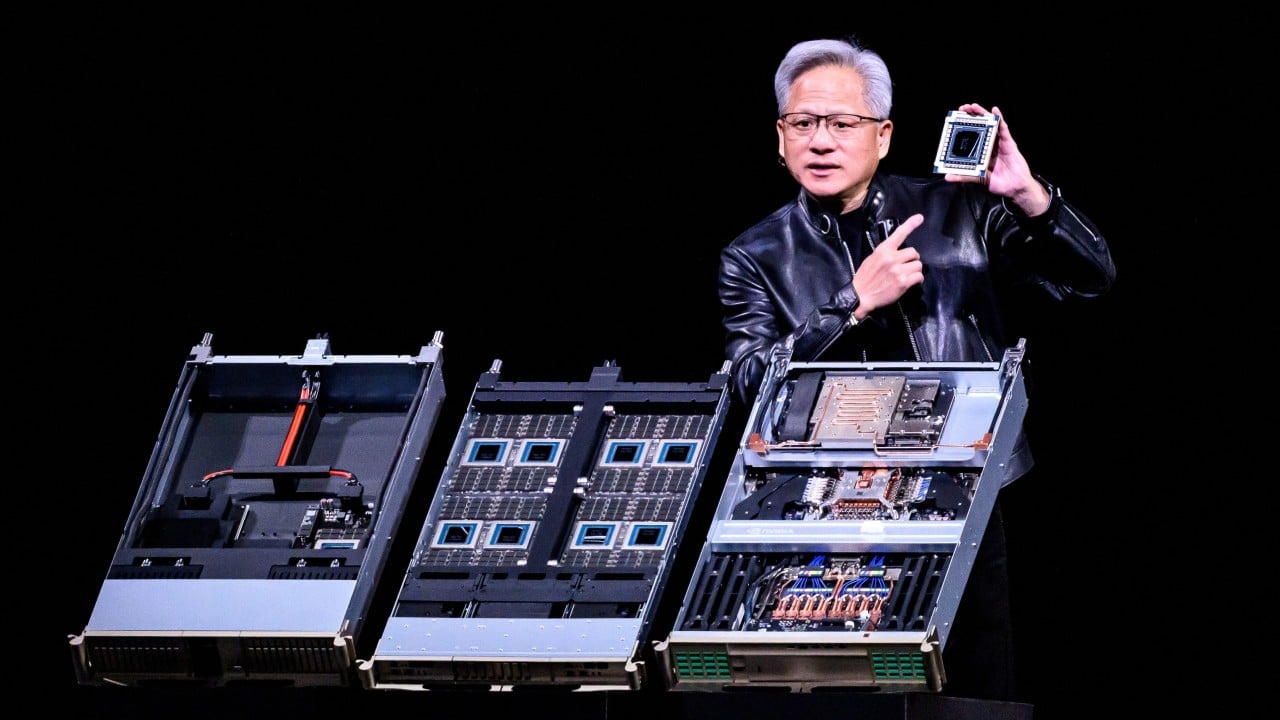
Earth is running out of power and patience for artificial intelligence. Local power grids groan under the immense weight of hyperscale computing facilities, and communities fiercely reject the deafening roar of industrial cooling fans alongside towering concrete server farms. Enter Elon Musk with an answer that sounds ripped straight from a 1950s sci-fi paperback: launch the data centers into orbit.
It sounds crazy until you look at the math. The sun shines constantly in low Earth orbit, free from cloud cover, weather disruptions, or night cycles. Solar panels up there generate power continuously. SpaceX is pushing hard toward launching orbital compute payloads—such as its Starmind AI satellite concepts utilizing customized chip architectures—with initial scaled deployments on the horizon. But bridging the gap between a slide deck and a functional orbital server cluster requires beating some brutal physical realities.
The Cold Vacuum Paradox
Everybody talks about how cold space is. It hovers near absolute zero, which sounds like an engineer's dream for keeping high-performance graphics processors from melting down.
Here is what most people miss: a vacuum is a phenomenal insulator. On Earth, your computer relies on air to move heat away via convection. Water cooling systems pump millions of gallons through towers to shed thermal loads. In space, air does not exist.
Without matter to conduct heat away, electronic components can only shed thermal energy through radiation—infrared rays beaming out into the void. Designing massive thermal radiators with enough surface area to cool thousands of watts of high-density AI compute without adding impossible mass to the rocket payload is an engineering nightmare. If your radiative panels get blocked or misaligned relative to deep space, your expensive hardware cooks itself within minutes.
Radiation and the Death of Silicon
Your laptop crashes if a stray cosmic ray flips a single transistor. Now imagine placing advanced silicon directly into the unshielded radiation belts of low Earth orbit.
Solar flares, galactic cosmic rays, and high-energy protons treat standard commercial microchips like target practice. Without heavy physical shielding or radical shifts toward radiation-hardened semiconductor manufacturing, data corruption becomes a constant baseline.
SpaceX and other orbital infrastructure pioneers plan to use modular, swappable layouts to deal with hardware degradation. Even so, standard data centers on Earth enjoy a hardware refresh cycle every three to five years. Upgrading components in a server rack sitting 500 kilometers above the surface of the planet isn't a matter of calling a technician. It requires specialized in-space servicing vehicles or watching the hardware quietly become space junk.
The Latency and Bandwidth Trap
Compute power is useless if you cannot move the results where they need to go. If you ask an AI model a question from your phone, you expect an answer in milliseconds.
Beaming data back and forth through laser links between orbital constellations and ground stations introduces physical bottlenecks. While optical inter-satellite links achieve incredible speeds across a mesh network, the sheer volume of training data required for frontier artificial intelligence models creates massive throughput hurdles. Sending petabytes of raw training data up to orbit and back down just to update model weights introduces friction that local terrestrial clusters simply do not face.
For real-time inference tasks, routing queries through space makes sense if the end user is also operating in orbit or on maritime vessels. For everyday consumer apps on Earth, local ground-based nodes still hold a massive structural advantage.
Unit Economics Versus Environmental Backlash
Building a standard ground-based data center costs billions, but the operational templates are well understood. Building an orbital alternative multiplies financial exposure exponentially. Rocket launch costs have plummeted thanks to reusable boosters, yet lofting massive structural wings, solar arrays, and heavy compute payloads still demands staggering capital.
Companies pushing for space-based infrastructure are betting that local zoning boards, environmental lawsuits, and grid capacity limits on Earth will soon become more expensive than rocket fuel. They might be right. When power utilities start telling multi-billion-dollar tech giants that no more electricity is available, the calculus changes overnight.
Orbital data centers will not replace terrestrial server farms next week. They will start by handling specialized workloads that require massive solar intake and can tolerate the unique constraints of the upper atmosphere. Watch how early orbital test beds manage their thermal loads over the next twenty-four months before assuming the cloud is moving permanently off-planet.