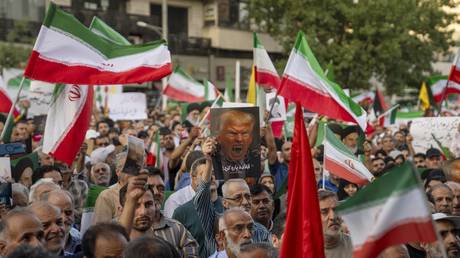
The Kremlin doesn't usually scramble to release statements unless there's a specific message they need the world to hear. When Vladimir Putin described the killing of Iranian Supreme Leader Ali Khamenei as a "cynical murder," he wasn't just expressing grief for a fallen ally. He was drawing a line in the sand. This move signals a massive shift in how Russia views Western-backed operations in the Middle East. It's a calculated rhetorical strike.
If you've been following the escalation between Israel, Iran, and the various proxy groups in the region, you know the tension has been at a breaking point for months. But the direct targeting of a head of state—especially one with the religious and political weight of Khamenei—changes the rules of the game. Moscow sees this as a breakdown of international norms. Or, more accurately, they see it as the West finally dropping the act.
The definition of a cynical murder in Moscow
Putin's choice of words matters. Using the term "cynical" implies a lack of regard for the consequences or the "sanctity" of diplomatic stability. From the Russian perspective, this wasn't just a military strike. It was a decapitation of a sovereign leadership structure. Moscow’s stance is that if leaders can be picked off like this, no one is safe.
Russia and Iran have grown incredibly close over the last few years. It’s no secret. Iranian drones have been a staple in the Ukraine conflict, and Russia has provided Iran with advanced surveillance and air defense tech. When your biggest military partner’s leader gets taken out, you don't just send a "sorry for your loss" card. You frame the act as an illegal, destabilizing atrocity to delegitimize the actors behind it.
Why this isn't just about Iran
You have to look at the broader picture. Putin isn't just defending Khamenei. He's defending the idea of "sovereign untouchability." For years, the Kremlin has argued that the U.S. and its allies use "rules-based order" as a cover to topple regimes they don't like. By calling this a cynical murder, Putin is telling the Global South that the West is the primary source of global chaos.
It’s a persuasive narrative in parts of the world that feel bullied by Western sanctions or military interventions. Russia wants to lead the "anti-hegemonic" front. Supporting Iran at its weakest moment solidifies that leadership.
The impact on regional stability
The Middle East is currently a tinderbox. Usually, there's some level of "backchannel" communication to prevent a total regional war. That’s gone now. When a figure like Khamenei is killed, the internal pressure within Iran to retaliate isn't just high—it's existential. The Iranian Revolutionary Guard Corps (IRGC) can't sit this one out.
Russia knows this. By backing Tehran’s outrage, Moscow is essentially giving Iran a green light to respond. It’s a dangerous game. If Iran strikes back at high-value targets, and Israel or the U.S. hits back harder, we’re looking at a conflict that makes the 1970s oil crisis look like a minor inconvenience. Putin’s rhetoric fuels this fire because it removes the diplomatic off-ramp. He’s basically saying there’s no point in talking to "murderers."
What the West got wrong about the reaction
A lot of Western analysts thought the removal of Khamenei might lead to a collapse of the Iranian regime or at least a period of paralyzed indecision. That hasn't happened. Instead, it has unified the hardliners. It’s also pushed Russia and China closer together in their condemnation.
The mistake was assuming that the world would see this as a "surgical strike" for peace. To much of the non-Western world, it looks like an assassination of a major religious and political figure. You don't have to like Khamenei to realize that killing him creates a power vacuum that won't be filled by "pro-democracy" activists. It'll be filled by whoever is the most aggressive and vengeful.
The Ukraine connection
Everything Putin says right now is filtered through the lens of Ukraine. If he can convince the world that the U.S. and Israel are "lawless," it makes his own actions in Eastern Europe look less like an outlier. He’s playing the "whataboutism" card at a masterclass level.
- He points to the assassination as proof that international law is a myth.
- He uses the "cynical" label to paint his enemies as hypocrites.
- He reinforces the bond with Iranian military suppliers to ensure the flow of hardware doesn't stop.
This isn't just a statement on a news wire. It's a strategic realignment.
How this affects global oil and security
Expect the markets to freak out. They already are. Iran sits on the Strait of Hormuz. If the IRGC decides to close that door in retaliation for their leader’s "murder," global energy prices will skyrocket overnight.
Putin doesn't mind high oil prices. In fact, he loves them. It funds his military budget. The more chaos there is in the Middle East, the less focus there is on the front lines in Donetsk or Kharkiv. For the Kremlin, this "cynical murder" is a tragedy they can actually use to their advantage.
What happens next on the ground
We’re likely to see an increase in asymmetric warfare. Think cyberattacks on infrastructure and intensified drone swarms. The IRGC doesn't have the conventional navy to take on the U.S. 5th Fleet, but they have enough "suicide" boats and missiles to make the Persian Gulf a no-go zone.
Russia will likely provide more "technical assistance" to Iran. This could mean satellite data to help Iranian missiles find their targets or electronic warfare systems to jam Western tech. Putin’s statement wasn't just words; it was a promise of continued partnership in the face of what they call "Western aggression."
Keep a close eye on the UN Security Council meetings over the next week. Russia will likely try to pass resolutions condemning the strike, knowing full well they'll be vetoed. It’s all part of the theater. The goal isn't to pass a law; it’s to prove that the current system is broken.
If you’re tracking your investments or just trying to understand why your gas prices are jumping, this is the root. Geopolitics is no longer about "managing" conflicts. It’s about choosing sides in a world that is rapidly splitting into two distinct blocs. Putin has made his choice clear.
Monitor the official statements from the Iranian interim leadership and the Russian Foreign Ministry over the next 48 hours. If the language shifts from "cynical murder" to "justified military response," we're in for a very long year.