The scent hits you first. It is always a synthetic, aggressively cheerful gardenia mixed with the cold hum of an aggressive air conditioner.
You stepped off the damp pavement of Causeway Bay, escaping a sudden afternoon downpour, or perhaps you just took a wrong turn past a gleaming glass tower. A smiling woman in a crisp white tunic hands you a pamphlet. She does not look like a predator. She looks like a neighbor offering a slice of wedding cake. She smiles, her teeth startlingly white under the fluorescent glare, and asks a simple question: "Free skin analysis today?"
You say yes. It is a fatal mistake in the geography of modern commerce.
Within ten minutes, you are sitting in a sterile treatment room. The bright lights shift, magnifying every pore, every microscopic line of fatigue under your eyes. A technician shakes her head, clicking her tongue against her teeth. The air grows heavy. Suddenly, you are no longer a person walking through a city; you are a collection of structural failures that require immediate, expensive intervention.
This is the machinery of the hard-sell beauty tactic. It is a ritual as old as the neon signs blinking above Nathan Road, yet it continues to claim victims every single day.
The Anatomy of the Trap
To understand why aggressive beauty sales persist in Hong Kong, you have to look at the unique pressure cooker of the city itself. Space is scarce. Anxiety is oxygen. Everyone is moving fast, terrified of falling behind, desperate for a pocket of safety or validation in a metropolis that rarely slows down to ask how you are doing.
Beauty salons do not sell creams or serums. They sell absolution.
Consider a hypothetical shopper named Carmen. Carmen is twenty-eight, works in a mid-level marketing firm, and counts every dollar against her mounting rent in a subdivided flat. She walks into a facial salon lured by a three-hundred-dollar introductory trial advertised on social media. She thinks it is a harmless treat. A reward for a brutal week.
What Carmen does not know is the commission structure waiting behind the curtain. The receptionist, the aesthetician, and the manager operate in a system where basic survival wages depend on upselling. They are incentivized to turn a simple cleansing treatment into a multi-year financial anchor.
Halfway through the facial, when Carmen is lying flat on her back with cotton pads over her eyes and her defenses lowered by the rhythmic massage of warm oil, the tone shifts. The gentle technician becomes an amateur pathologist.
"Your lymphatic drainage is completely blocked," the voice says, dropping an octave into feigned professional concern. "If we do not break down these toxins right now, your skin tissue will experience premature degradation. We have a specialized package today. Only twelve thousand dollars. Paid over twenty-four months."
Panic sets in. The cotton pads stay on. Carmen is trapped in a position of physical vulnerability. The social pressure of Hong Kong politeness—the deep cultural aversion to making a scene or causing friction—collapses her boundaries. She nods. She signs. She walks out two hours later with a stack of receipts she cannot afford and a stomach full of lead.
The Numbers Game and the Law
This is not just an unfortunate anecdote. It is an industrial epidemic.
Consumer councils in Hong Kong receive thousands of complaints every year regarding aggressive commercial practices in the beauty and fitness sectors. High-pressure sales, misleading omissions, and bait-and-switch tactics remain distressingly common despite regulatory frameworks.
The Trade Descriptions Ordinance is supposed to protect consumers from these exact maneuvers. Under the law, aggressive commercial practices that significantly impair a consumer's freedom of choice through harassment, coercion, or undue influence are illegal.
Yet, prosecution is notoriously difficult.
Why? Because the transaction happens behind closed doors. It is word against word. The salon claims the customer bought the package of their own free will. The contract is signed. The credit card slip is processed. The legal burden falls on a distressed individual who is already dealing with the humiliation of being scammed, making them far more likely to swallow the loss in silence than to face a protracted battle with corporate legal teams.
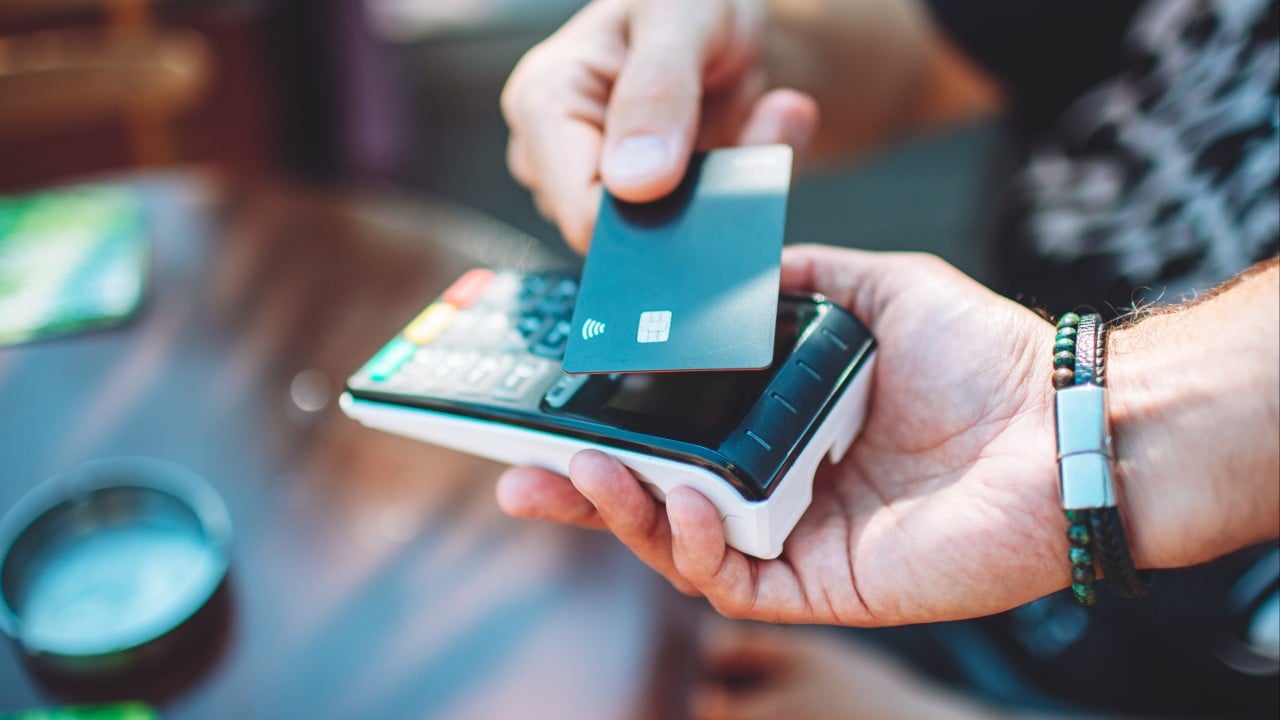
The contracts themselves are masterclasses in psychological warfare. They feature dense clauses, non-refundable deposits, and automatic renewals written in micro-print that would test the patience of a corporate lawyer, let alone a tired office worker seeking a moment of peace.
The Breaking Point
Change does not come from policy papers alone. It comes from exhaustion.
Consumers are beginning to push back, weaponizing their own smartphones, recording conversations in waiting rooms, and organizing digital resistance groups to name and shame predatory operators. When a salon knows a customer might broadcast their predatory pitch to thousands of followers on social media, the power dynamic shifts just an inch.
An inch is a start.
When you find yourself handed that pamphlet on the street, remember that the smile is free, but everything that follows has a price tag attached to your self-worth. The hardest part of fighting back is not learning your legal rights under the consumer code. It is learning how to say no without apologizing. It is reclaiming the right to be impolite when someone is trying to pick your pocket.
You do not need their machine to tell you if you are glowing. You just need to step back out into the rain, breathe in the real air of the city, and walk away.