The air in the Maine woods during October does not just feel cold; it tastes like iron and damp pine. If you have ever stood at the trailhead of a mountain path with your breath blooming in front of you, you know the specific, quiet thrill of looking up into a canopy of gold and crimson. But for too long, that crisp air and the silence of the wilderness have carried an invisible price tag.
Step into any major outdoor retailer. The fluorescent lights bounce off racks of Gore-Tex jackets priced like monthly car payments. A reliable four-season tent can easily clear five hundred dollars. Sleeping bags engineered to keep you alive in freezing temperatures demand a investment that feels entirely out of reach for someone working a standard retail job or scraping by on a student budget.
This is the hidden barrier to the great outdoors. We are told that nature is the ultimate equalizer, a free resource open to anyone with the will to walk into it. That is a beautiful sentiment, but it is factually incomplete. The wilderness itself may not charge admission, but surviving comfortably within it requires capital. For marginalized communities, particularly LGBTQ+ individuals, this financial barrier is often compounded by a deeper, more heavy question: Am I actually safe out here?
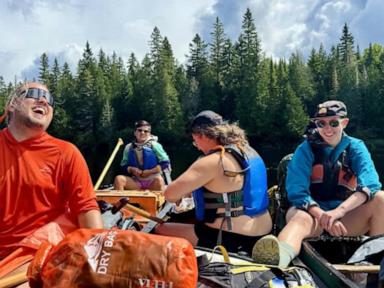
In Portland, Maine, a quiet revolution is taking place to answer that question. It does not look like a massive corporate charity initiative. Instead, it looks like a room filled with backpacks, hiking boots, camping stoves, and kayaks. It is called the Queer Gear Library, and it is changing who gets to claim a piece of the wilderness.
The Invisible Gatekeeper
To understand why an organization like this matters, consider a hypothetical person named Alex. Alex is twenty-four, lives in an apartment in southern Maine, and desperately wants to clear their head by spending a weekend under the stars. They identify as non-binary.
When Alex looks into planning a weekend trip, they face two distinct walls.
First, the math. Alex needs a pack ($180), a sleeping bag ($200), a sleeping pad ($90), a water filter ($50), and proper boots ($150). Before they even buy groceries or pay for a campsite, they are staring down a bill of nearly seven hundred dollars. For a young queer person who might not have family financial backing, that number is a dead end.
Second, the social friction. Walking into an elite outdoor supply store can feel like an audition. If you do not fit the traditional mold of the rugged, cisgender, heterosexual outdoorsman, the glances from staff or other customers can feel isolating. Then comes the actual trip. Pulling into a rural campground in a remote corner of the state can trigger a hyper-vigilance that ruins the very peace nature is supposed to provide.
Statistical realities back up Alex's hesitation. Studies across the outdoor recreation industry consistently show that lower-income individuals and LGBTQ+ folks participate in backcountry activities at significantly lower rates than their peers. It is not due to a lack of interest. It is a lack of access and assurance.
The Queer Gear Library addresses both problems simultaneously. By operating on a lending model identical to a traditional book library, they remove the financial gatekeeper. You walk in, borrow a high-quality internal frame pack or a lightweight stove, and walk out. No cost. No judgment.
More Than Stitched Nylon
Equipment is just the physical manifestation of a larger idea. The true magic of a gear library is the communal validation it provides.
When a volunteer hands you a pair of snowshoes, they are not just lending you plastic and aluminum. They are telling you that you belong on the winter trails. They are confirming that your desire to experience the quiet of a frozen forest is valid, achievable, and supported by a community that has your back.
This approach flips the traditional consumer model of outdoor recreation on its head. Instead of accumulation, it prioritizes stewardship and shared resources. It acknowledges that we do not need to own the earth, nor do we need to own the plastic gear used to explore it, to find a sense of connection with the natural world.
Consider the ripple effect of this shift. When the financial risk of trying a new activity is reduced to zero, the barrier to entry dissolves. A person can discover a passion for kayaking without the terror of buying a boat they might use only twice. A group of friends can organize a weekend camping trip to Acadia National Park using gear that was sitting on a library shelf forty-eight hours prior.
The Redefined Trailhead
The landscape of Maine is vast, rugged, and occasionally unforgiving. Its beauty belongs to everyone who calls this state home, yet the cultural narrative of who explores these spaces has remained stubbornly narrow for generations.
By creating a dedicated space where queer adventurers can gather, share advice, and gear up without financial stress, the library is quietly rewriting that narrative. They are proving that the wilderness does not care about your gender identity, your sexual orientation, or the balance of your bank account. The trees do not judge; only the structures we build around them do.
As the sun sets over the western hills of Maine, casting long shadows across thousands of acres of pine and granite, a new generation of hikers is setting up camp. They are lighting stoves they did not have to buy, sleeping in tents that were checked out like library books, and breathing in the sharp, clean air that they now know belongs to them, too.