The ballot boxes were stacked on long folding tables under the harsh, humming fluorescent lights of a rented hall in south Calgary. Outside, the evening air smelled faintly of dry prairie grass and distant asphalt. Inside, the atmosphere was thick with the distinct, electric tension that only local politics can brew. It was Wednesday night in Calgary-Shaw.
For months, this patch of suburban sprawl had been the center of a quiet, bruising tug-of-war. The prize was the United Conservative Party nomination. On paper, it looked like a standard bureaucratic transition. A seat had been vacated. A replacement was required. But politics is rarely about the paper it is printed on. It is about the friction between ambition and obligation.
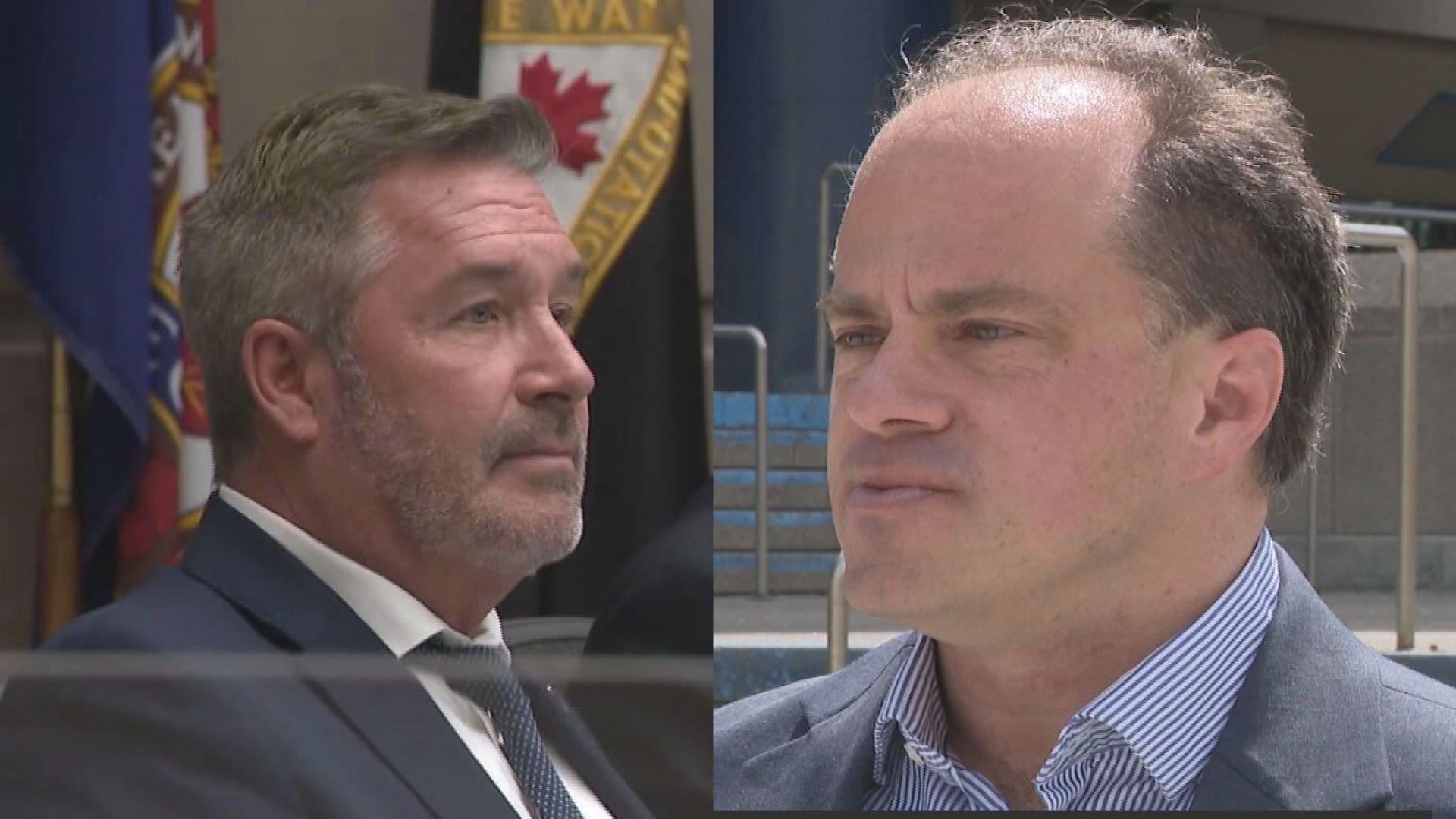
On one side stood Dan McLean. He is not an obscure name in these parts. As a sitting city councillor for Ward 13, his face is familiar to anyone who watches the evening broadcast or scrolls through local news feeds. He had won his council seat by a massive margin, establishing himself as a loud, unapologetic conservative voice in city hall. He was a known quantity. He had a job to do, a mandate given to him by thousands of voters just months prior. Yet, when the provincial seat opened up, McLean saw an opportunity to take his fight to a larger stage at the Alberta legislature.
On the other side stood Mike Derry. He did not have the high-profile podium of a city council seat. He had something else. Derry was an HR consultant and an oil and gas industry veteran, a man whose career had been spent in the private sector dealing with the messy realities of corporate restructuring and human capital. He was the challenger who framed himself as the practical alternative, a guy who stayed in his lane until it was time to step up.
The tension in the room was not just about who would win. It was about what a victory would cost the people living in those neat rows of suburban houses outside the hall.
Consider the invisible stakes of this race. Had McLean won, his departure from city hall would not have been a clean exit. Provincial law is unyielding. If a city councillor walks away mid-term, the city cannot simply leave the desk empty. A byelection must be triggered.
To the casual observer, a byelection sounds like a simple weekend exercise in democracy. To a municipal budget director, it looks like a massive, unbudgeted invoice. Running an election in a single ward requires renting polling stations, hiring hundreds of staff, printing thousands of ballots, and setting up security. Local critics had already begun doing the math on the back of napkins, warning that a municipal byelection could cost Calgarians close to a million dollars.
That was the argument that Derry’s campaign leaned into heavily. It was an argument spearheaded by local political strategist Craig Chandler, who even helped launch a website bluntly titled "Dan Please Stay." The message to voters was clear: a promise made to local constituents should not be discarded the moment a shinier opportunity appears on the provincial horizon. It was a strategy designed to turn McLean's greatest asset—his current political power—into his heaviest liability.
When the final ballots were counted late Wednesday night, the numbers told the story of a razor-thin margin. The race was incredibly close, but the challenger prevailed. Mike Derry secured the UCP nomination for Calgary-Shaw, pulling off a stunning upset against a sitting politician who many assumed held all the cards.
The aftermath was a study in political theater. Premier Danielle Smith stopped by the venue, posing for photographs and posting her congratulations to Derry on social media, praising his practical leadership. She made sure to thank McLean as well, acknowledging his fierce advocacy for the city. McLean, ever the politician, shook Derry’s hand under the flashing cameras. He posted on X that he would continue to stand for conservative principles, returning to his seat at city hall.
But things are different now.
McLean goes back to city hall, but he returns as a man who publicly looked for the exit sign and was pushed back into the room by his own party’s membership. The voters of Ward 13 still have their councillor, and the city avoided a million-dollar byelection bill, but the political landscape has shifted beneath their feet.
Meanwhile, Derry steps into the light. Calgary-Shaw was held by former UCP cabinet minister Rebecca Schulz, who resigned her post in December and officially stepped away from the legislature in mid-May. Because of her departure, the clock is ticking. By law, a provincial byelection must be called within six months of a seat being vacated.
The folding tables in the community hall will be packed away, the ballot boxes emptied, and the fluorescent lights turned off. But the real campaign is just beginning. Derry now carries the banner for the governing party in a riding that expects strong, predictable representation. He won the internal battle by convincing neighbors that he was the right man to fill an empty seat without creating another one in his wake. Now, he has to convince the rest of the riding that practical leadership is worth their vote when the real election arrives.