The rain in eastern Congo doesn’t just fall. It thuds against the red earth, turning walkways into slick, clay rivers and masking the sound of footsteps approaching the clinic door. Inside, the air smells of damp concrete and cheap bleach. There is a single wooden desk, a rusted IV pole, and a shelf that should be heavy with boxes of latex gloves, sterile gauze, and vials of basic antibiotics.
Instead, the shelf holds a lone plastic bottle of paracetamol and a layer of fine, orange dust. Also making waves in related news: The Red Mutation and the Dawn of a Painless Horizon.
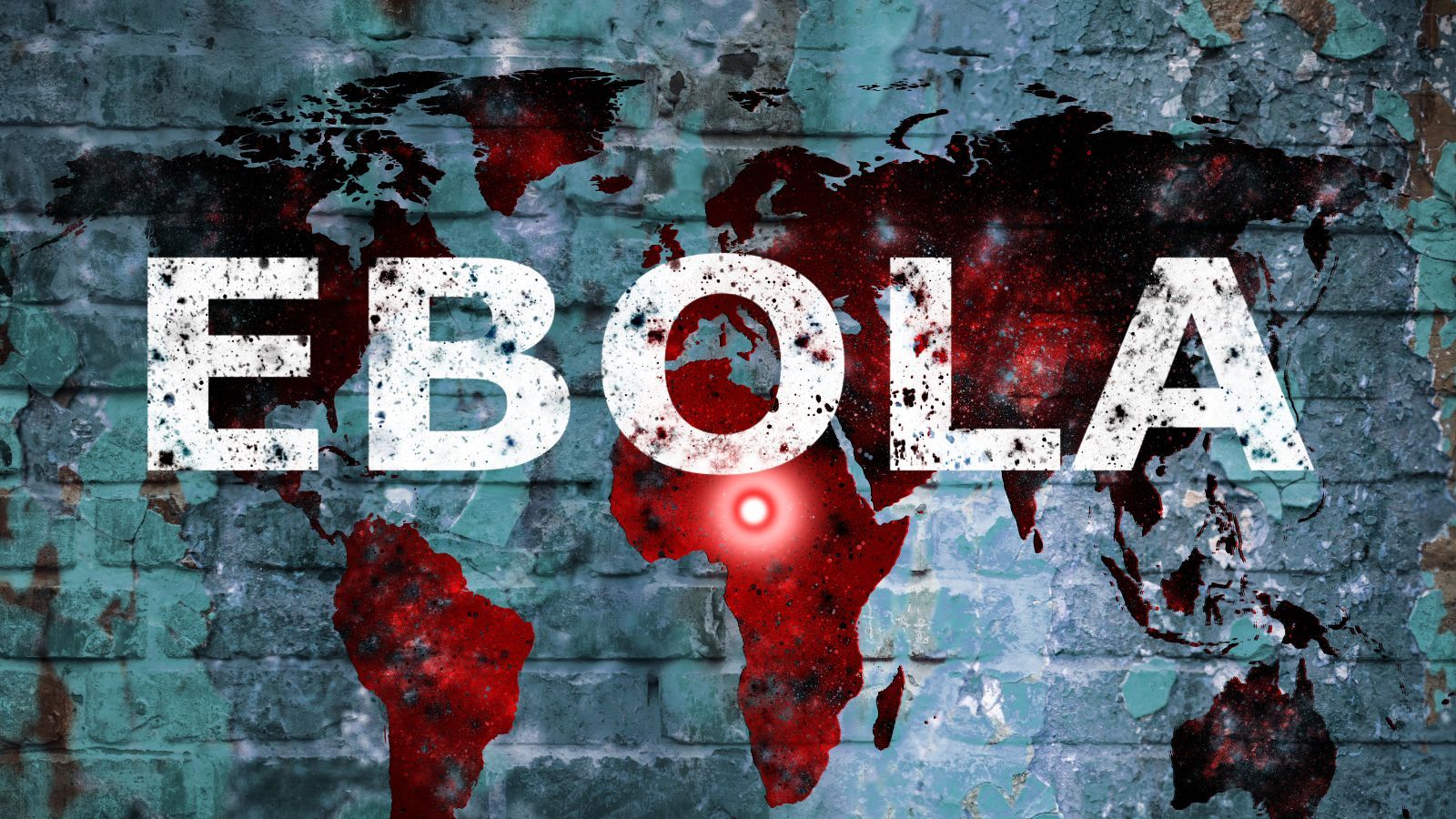
When a crisis like an Ebola outbreak hits, the world treats it like a lightning strike. A sudden, cruel act of nature. An unpredictable tragedy. Global health agencies scramble, emergency funds activate, and cargo planes land on dirt strips loaded with high-tech isolation tents and hazmat suits. We watch the nightly news and shudder at the invisible, microscopic killer terrorizing a remote village.
But the truth is far colder. Further information into this topic are explored by Medical News Today.
The virus is not a wild, unstoppable monster that jumped out of the jungle by accident. It is an opportunist. It simply walked through a front door that we left wide open. The devastation that follows is not a twist of fate; it is the predictable bill coming due for a systemic vacancy we chose to ignore.
Consider a mother named Marie. She is a composite of a dozen women I have met in rural clinics, women whose real names are buried in medical charts or carved into wooden cross markers behind village churches. Marie’s three-year-old boy has a fever. His skin is burning, and his eyes are glassy. In a world with functioning public systems, she walks twenty minutes to a neighborhood clinic. A nurse in a clean uniform washes her hands with running water, pokes the child’s finger, diagnoses malaria, and hands over a pack of pills that cost less than a cup of coffee. The boy is running around the yard by Thursday.
Now look at the actual reality.
Marie walks for three hours under a punishing sun, balancing her limp child on her hip. When she arrives at the concrete structure funded by a fleeting international donation five years ago, the door is locked. The nurse left three months ago because the state stopped paying her salary. There is no water. There is no electricity to keep vaccines cold. There are no gloves.
Marie has no choice. She goes home. She tries traditional herbs. She shares what little medicine her neighbor has left over from a previous illness. The fever deepens. By the time the virus—whether it is malaria, measles, or Ebola—takes hold of the community, it isn't just fighting the human immune system. It is running rampant through a population completely stripped of its defenses.
This is what happens when public infrastructure is treated as a luxury rather than a bedrock requirement.
For decades, international aid and national budgets have chased the flashy, measurable metrics of global health. It is easy to secure a million-dollar grant to distribute specific nets or combat a single, high-profile disease. It looks excellent on an annual report. A logo can be slapped onto a box of specialized medicine.
But nobody wants to pay for the boring stuff.
Nobody wants to fund the plumbing. Nobody wants to finance the unglamorous, long-term salaries of local midwives, or the basic supply chains that ensure a clinic in a village of four hundred people has clean needles every single day of the year.
We built a global health apparatus that loves to fight fires but refuses to build fireproof houses.
When the embers inevitably catch, the cost of extinguishing them is astronomical. During the major West African Ebola epidemic, billions of dollars poured into the region once the crisis reached a terrifying crescendo. We built massive, state-of-the-art treatment centers that arrived just as the wave was beginning to break. We flew in foreign experts at immense expense.
That money didn't fix the underlying void. It was a massive bandage slapped over an infected, neglected wound. Once the emergency declaration ended, the tents were packed up, the SUVs drove away, and the local healthcare workers who survived were left right back where they started. Standing in front of empty shelves. Waiting for the next spark.
This structural neglect creates a profound, corrosive casualty: trust.
If a government or an international coalition only shows up when a terrifying, contagious disease threatens to cross oceans and board international flights, the local population notices. When men in white space suits suddenly appear in a village that hasn't seen a working stethoscope in a decade, people don't see saviors. They see an invading force. They wonder why the world suddenly cares so intensely about their deaths today, when it ignored their children dying of preventable diarrhea every day for the last twenty years.
Conspiracy theories thrive in these gaps. Resistance hardens. Medical teams face hostility, not out of ignorance, but out of a completely logical skepticism born from years of abandonment.
The math of this failure is brutal and undeniable. Maintaining a basic, functional network of primary healthcare clinics across vulnerable regions costs a fraction of what is spent on a single emergency intervention. It is the difference between changing the oil in a car and replacing the entire engine after it explodes on the highway. Yet, we continually choose the explosion.
We must change how we measure safety.
True security isn't found in the speed of an emergency response team or the sophistication of an experimental vaccine rushed to a hot zone. It is measured by the quiet reliability of a local clinic on a Tuesday morning when no one is watching. It is found in a nurse who has a steady paycheck, clean running water, and a box of gloves ready for whoever walks through the door.
Until we fill that deliberate void, the virus will keep winning. Not because it is smart, and not because it is inevitable.
Because we continue to give it a free place to live.