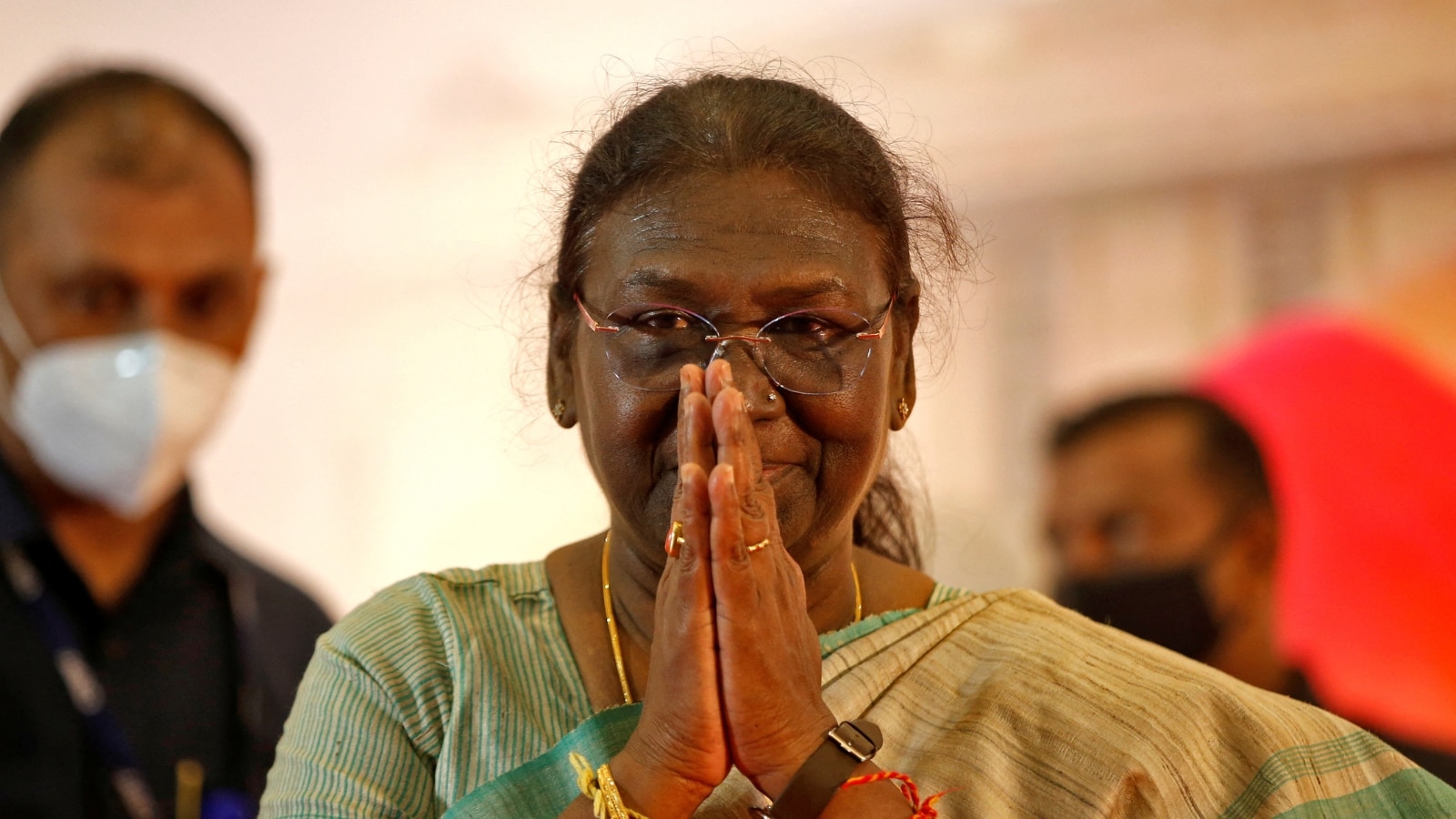
When President Droupadi Murmu touched down in Skopje for a historic two-day state visit to North Macedonia, official press releases framed it as a standard diplomatic tour. Don't let the rehearsed handshakes and scripted speeches fool you. This trip carries genuine weight for India's strategic footprint in Central and Eastern Europe.
It marks the first time an Indian head of state has ever set foot in North Macedonia. Between high-level meetings with President Gordana Siljanovska-Davkova and Prime Minister Hristijan Mickoski, Murmu made a deeply personal visit to the Mother Teresa Memorial House in central Skopje. The timing couldn't be more intentional.
India is quietly expanding its economic and political reach across Europe, and North Macedonia offers a uniquely positioned bridge. Here is what actually happened during the visit, why Mother Teresa's legacy plays a key role, and what this means for trade, technology, and regional security.
A Personal Pilgrimage in the Heart of Skopje
Before discussing trade agreements or assembly speeches, you have to understand the emotional core of this visit. Skopje is the birth city of Agnes Gonxha Bojaxhiu, known globally as Mother Teresa. She lived there until 1928 before embarking on her humanitarian work in Kolkata, India.
President Murmu paid homage at the Mother Teresa Memorial House located on Macedonia Street. Built on the site where Mother Teresa was baptized in the former Sacred Heart of Jesus Catholic Church, the memorial serves as a physical bridge between Skopje and Kolkata.
For decades, Mother Teresa represented a quiet, unofficial bond between the two nations. Murmu's visit elevated that historical connection into official state diplomacy. Honoring Mother Teresa wasn't just a photo opportunity for the cameras. It grounded bilateral discussions in shared cultural respect, giving India a soft-power advantage that other global powers simply cannot replicate in the Balkans.
Strategic Power Plays in Central and Eastern Europe
Diplomacy rarely happens in a vacuum. President Murmu's stop in Skopje was part of a larger three-nation tour covering Moldova, North Macedonia, and Romania.
For a long time, Indian foreign policy focused heavily on major Western European powers like France, Germany, and the UK. That narrow approach left huge gaps. Central and Eastern Europe remained largely unchartered territory for Indian trade and bilateral agreements.
That dynamic is changing quickly. North Macedonia offers key strategic perks for Indian businesses:
- Duty-free trade access to European Union markets.
- Competitive operational costs compared to Western European hubs.
- Strategic location in the Balkan peninsula for transport and logistics.
- Strong political support for India on global security platforms.
During her address to the Assembly of North Macedonia, Murmu highlighted these alignment points. North Macedonia consistently supports India's international counter-terrorism initiatives and backed New Delhi following recent regional security crises. In diplomatic terms, that trust opens doors for serious economic cooperation.
Trade Tech and Pharmaceuticals on the Table
Beyond ceremonial speeches, what does this visit actually achieve on the ground? The diplomatic delegation focused heavily on three priority areas often described as the "three Ts": trade, technology, and tourism.
During the India-North Macedonia Business Forum in Skopje, corporate leaders and government officials outlined targeted sectors for immediate expansion.
Pharmaceuticals and Healthcare
India is known as the pharmacy of the world, and North Macedonia needs affordable, high-quality generic drugs. Local pharmaceutical distributors are actively seeking partnerships with Indian firms to secure supply chains. This collaboration helps Indian manufacturers establish distribution networks across the broader Balkan region.
Information Technology and ITES
North Macedonia boasts a young, highly skilled tech talent pool, yet local infrastructure needs investment. Indian IT giants are looking at Skopje as an nearshoring hub to serve European clients. Joint ventures in cybersecurity, software development, and digital public infrastructure were central topics during talks with Prime Minister Mickoski.
Agriculture and Food Processing
Modernizing agricultural processing remains a top priority for North Macedonia. Indian agricultural technology firms have a direct opening to supply machinery, irrigation solutions, and sustainable farming tech suited for Eastern European climates.
How to Track India Expanding Footprint in the Balkans
If you track global business opportunities or international relations, this historic visit signals clear moves ahead. Here are practical steps to stay ahead of trade and investment shifts between India and North Macedonia:
- Monitor India-North Macedonia Business Forum updates released by the Ministry of External Affairs and commercial chambers.
- Track trade policy updates regarding tariff revisions or duty-free transport agreements between Balkan nations and the EU.
- Explore nearshoring opportunities if you manage IT services or manufacturing operations looking for low-cost entry points into European markets.
- Watch cultural and educational exchange programs opening up for Indian students and professionals in Central and Eastern Europe.
President Murmu's visit to North Macedonia proved that small nations can play massive roles in global strategy. By connecting Mother Teresa's humanitarian legacy in Skopje to modern trade partnerships in pharmaceuticals and technology, India has firmly established its presence in the Balkans.


