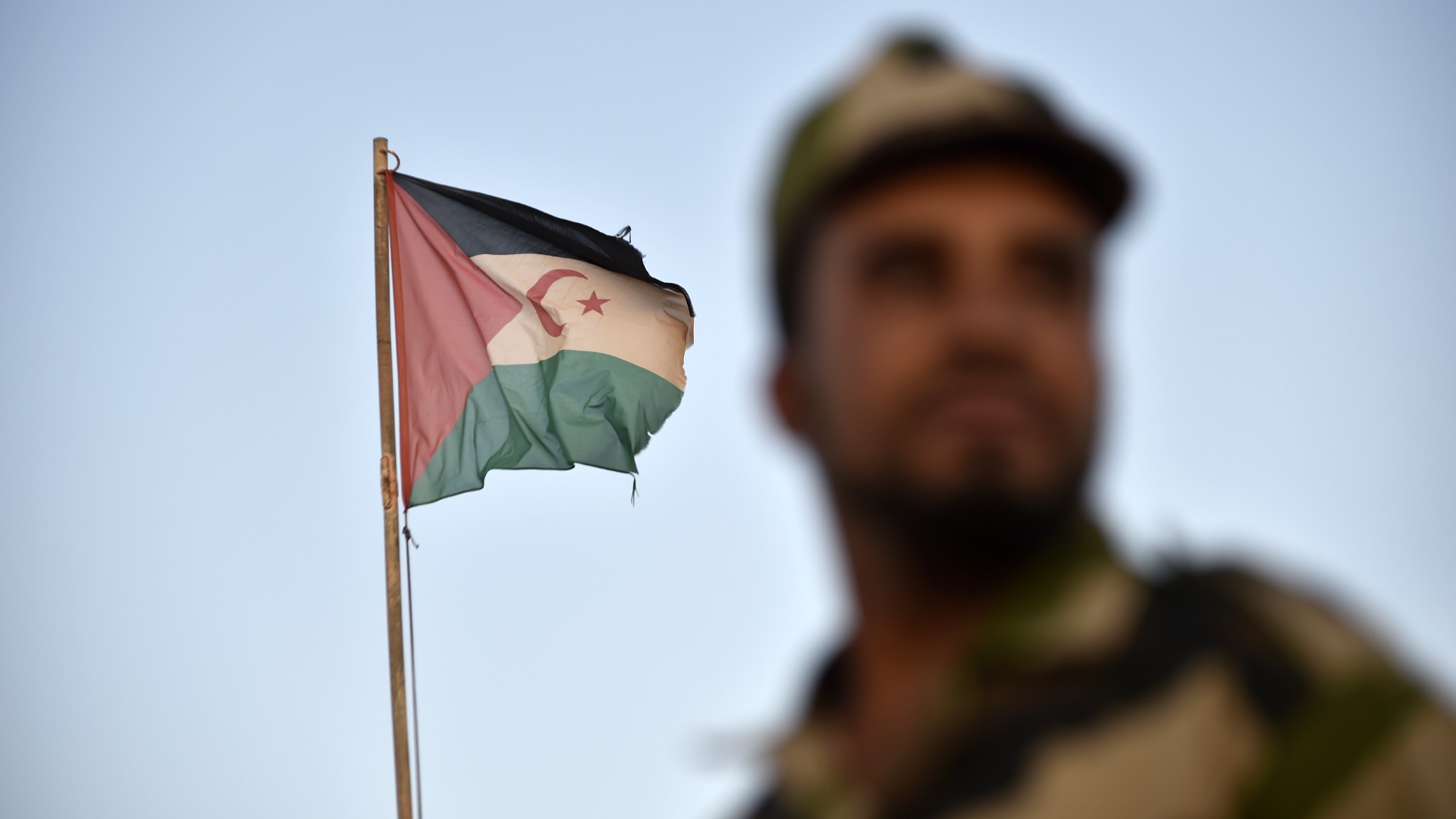
The footage is grainy, but the implications are crystal clear. In recent months, videos emerging from the Sahel's shifting battlefields have done more than just capture dust and gunfire. They've effectively blown the lid off a secret everyone in the region already suspected. Fighters linked to the Polisario Front—the separatist group Algiers has backed for decades in the Western Sahara—aren't just sitting in refugee camps anymore. They're actively participating in the chaos tearing through northern Mali.
For years, Algeria has tried to play the role of the regional "big brother," the indispensable mediator that can keep the peace in its backyard. But that mask is slipping. If you look at the recent drone footage and ground recordings from Kidal and Timbuktu, you aren't just seeing local Tuareg rebels or jihadist groups. You're seeing battle-hardened cadres who learned their trade in the Tindouf camps, now lending their muscle to groups that want to see the Malian state collapse.
The evidence Algiers can't explain away
It's one thing to have a diplomatic dispute. It's quite another to see your "protégés" popping up in a sovereign neighbor's war zone. The Malian transition government hasn't been shy about this. By early 2026, the rhetoric from Bamako shifted from polite concern to outright accusation. They've pointed to specific video evidence showing Polisario elements embedded with the CSP (Permanent Strategic Framework), the rebel coalition that’s been giving the Malian army and their Wagner Group allies a massive headache.
Why does this matter? Because it transforms the Polisario from a localized separatist movement into a regional mercenary force. For a group that claims to be a government-in-exile representing the Sahrawi people, getting caught up in Mali's civil war is a bad look. It suggests they've become a "proxy for hire," or worse, that their leadership has lost control over fighters who are looking for a paycheck and a purpose outside the stagnant camps.
A marriage of convenience between separatists and extremists
The most alarming part isn't just that Polisario members are there. It's who they're hanging out with. The lines between "political separatists" and "religious extremists" in the Sahel are basically non-existent now. You've got Al-Qaeda affiliates like JNIM sharing the same desert tracks as Tuareg nationalists and Polisario defectors.
- Shared Logistics: They use the same smuggling routes for fuel, weapons, and food.
- Tactical Overlap: The hit-and-run guerrilla tactics the Polisario perfected against Morocco are being taught to insurgents in northern Mali.
- Ideological Bleed: While the Polisario was traditionally secular-nationalist, the younger generation of fighters is increasingly influenced by the radicalization happening across the Sahel.
When you watch the latest videos of attacks on Malian military outposts, the coordination is too professional to be amateur. It’s the work of people who have spent decades training for desert warfare. And Algiers is the only place providing that training.
Why the Algiers-Bamako relationship is in freefall
If you think the diplomatic spat between Mali and Algeria is just about "interference," you're missing the bigger picture. Bamako is furious because they feel betrayed. They see Algeria as a double-dealer: hosting "peace talks" on one hand while allowing a group they fund and host to destabilize Malian territory on the other.
The 2015 Algiers Accord, which was supposed to be the blueprint for peace in Mali, is officially dead. The Malian junta tore it up because they claimed Algiers was using it to protect "terrorists." The presence of Polisario fighters in the north was the final straw. By early 2026, the diplomatic impasse reached a point where Malian authorities basically told Algerian diplomats to stay out of their business entirely. They'd rather trust their new "Alliance of Sahel States" (AES) partners—Niger and Burkina Faso—than their northern neighbor.
The Morocco factor in the Sahel power struggle
You can't talk about this without mentioning Morocco. For decades, the Western Sahara conflict was a binary struggle. Now, it's spilled over into a race for regional influence. While Algeria is accused of exporting instability through the Polisario, Morocco is busy pitching "The Atlantic Initiative."
Rabat's plan is simple: give landlocked countries like Mali, Niger, and Burkina Faso access to the Atlantic Ocean through Moroccan ports. It’s an economic carrot compared to Algeria’s perceived military stick. For the Malian generals, the choice is becoming obvious. Why stick with a neighbor that hosts your enemies when you can partner with one that offers you a trade route to the world?
What this means for the security of the Sahel
The "Polisario problem" isn't going away, and it's making the Sahel a lot more dangerous for everyone. When fighters move across borders with impunity, no one is safe. If the Polisario continues to be a "spare parts" army for Sahelian insurgencies, Algiers risks becoming a pariah in West Africa.
- Watch the borders: Increased Malian drone strikes near the Algerian border are already happening. One mistake could spark a direct clash.
- Track the money: Follow how "humanitarian aid" to the Tindouf camps is being diverted to fund these excursions into Mali.
- Expect more videos: As the Malian army pushes north with Russian help, more evidence of foreign fighter involvement is bound to surface.
The reality is that the Polisario's involvement in Mali is a desperate move for a group that feels forgotten. But for Mali, it's an existential threat. If Algiers doesn't reel them in, the entire Sahel might just go up in flames, and Algiers won't be able to stay dry while the neighbor's house burns. Don't expect a diplomatic "reset" anytime soon; the trust is gone, and the footage proves why.