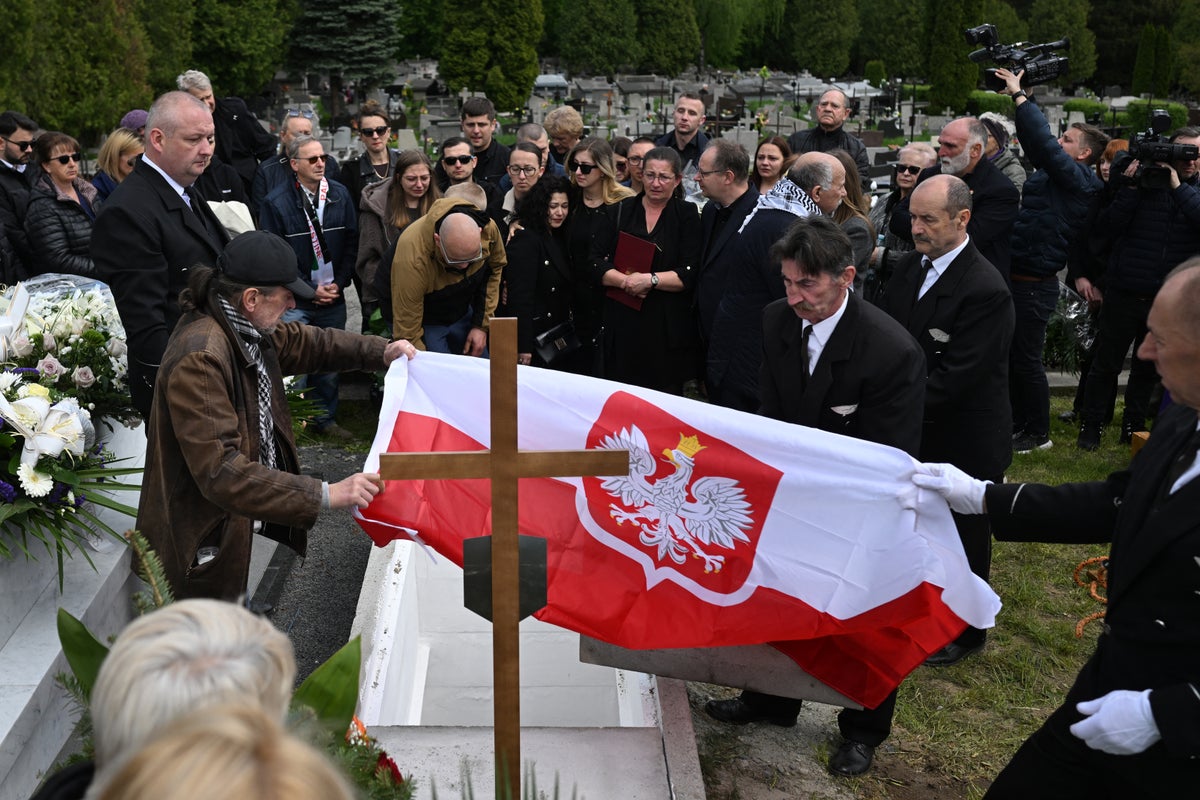
The path to accountability is rarely smooth, but sometimes it’s blocked entirely. That’s exactly how Poland and Australia feel right now. Both nations just summoned Israel’s ambassadors after Tel Aviv decided to drop criminal proceedings regarding the 2024 airstrike that killed seven World Central Kitchen (WCK) aid workers, including Polish national Damian Soból and Australian citizen Zomi Frankcom.
It’s a brutal reminder that when tragedy hits humanitarian efforts, the aftermath can be just as painful as the event itself.
The Core Disagreement
The core issue here is simple yet deeply divisive. In April 2024, a clearly marked WCK convoy in Gaza was struck by three consecutive Israeli missiles. Seven volunteers died. The vehicles were moving along a route coordinated with the Israeli military. The IDF eventually admitted to "serious failings" and misidentification, firing two officers in the wake of the incident.
But "serious failings" aren’t enough for the families of the victims. For years, there has been a push for full criminal accountability. By opting not to pursue criminal charges, Israel has essentially slammed the door on a process that many international observers—and now two sovereign governments—believe is vital for justice.
Why This Matters in 2026
You might wonder why we are still talking about an incident from 2024. The answer is simple: justice hasn't been served. When the Foreign Ministry of Poland calls the decision a "great disappointment" and explicitly states they won't accept the evasion of moral and legal responsibility, they aren't just blowing off steam. They are highlighting a breakdown in international trust.
The Australian government’s reaction was similarly sharp. Foreign Minister Penny Wong expressed outrage, especially given the timing. The decision dropped on World Humanitarian Day—a move many saw as a slap in the face to the aid workers' families.
The Parallel Investigation Reality
Poland isn’t sitting on its hands. The District Prosecutor's Office in Przemyśl, which is Soból’s hometown, is running a parallel criminal investigation. Here is where the real struggle begins. These prosecutors need evidence. They’ve been requesting legal assistance from both the United States and Israel for months.
I’ve seen how these bureaucratic walls function. When a foreign state refuses to share data or provide testimony, investigations stall. Poland is now publicly pressuring Israel to hand over the materials requested by their investigators. It’s an ultimatum delivered through diplomatic channels: cooperate, or the friction between our nations will only increase.
The Myth of the Fog of War
We often hear the phrase "fog of war" used to excuse lethal errors. It’s a convenient label. Yet, experts and humanitarians have long argued that this incident wasn't just a mistake in judgment. WCK founder José Andrés was vocal from the start, characterizing the strikes as a direct attack on a known, deconflicted convoy.
The reality on the ground is that aid workers operate in extremely high-risk environments. When they take the time to coordinate movements with military forces—a standard practice for safety—they do so with the expectation that the rules of engagement will be followed. When those rules are ignored, it’s not just a technical error. It’s a systemic failure.
Taking Action
If you're following this, don't look for a clean resolution tomorrow. Diplomatic standoffs like this have a way of lingering. Here is what to watch for:
- Evidence sharing: Watch if Israel complies with Polish and Australian requests for documentation. That is the true test of their stated commitment to transparency.
- Prosecutorial pressure: Keep an eye on the Przemyśl investigation. If they manage to build a case without Israeli cooperation, it could lead to international arrest warrants or other legal mechanisms.
- Public sentiment: Support for aid operations in conflict zones depends on the belief that those workers will be protected. When that belief dies, the entire humanitarian infrastructure in regions like Gaza becomes even more fragile.
Justice doesn't happen by accident. It requires persistent, uncomfortable pressure on those in power. Poland and Australia have made their move. Now, it’s up to the rest of the international community to decide if "serious failings" are a sufficient explanation for the loss of civilian lives. Don't expect this to go away quietly. The families involved deserve more than just a closed file.