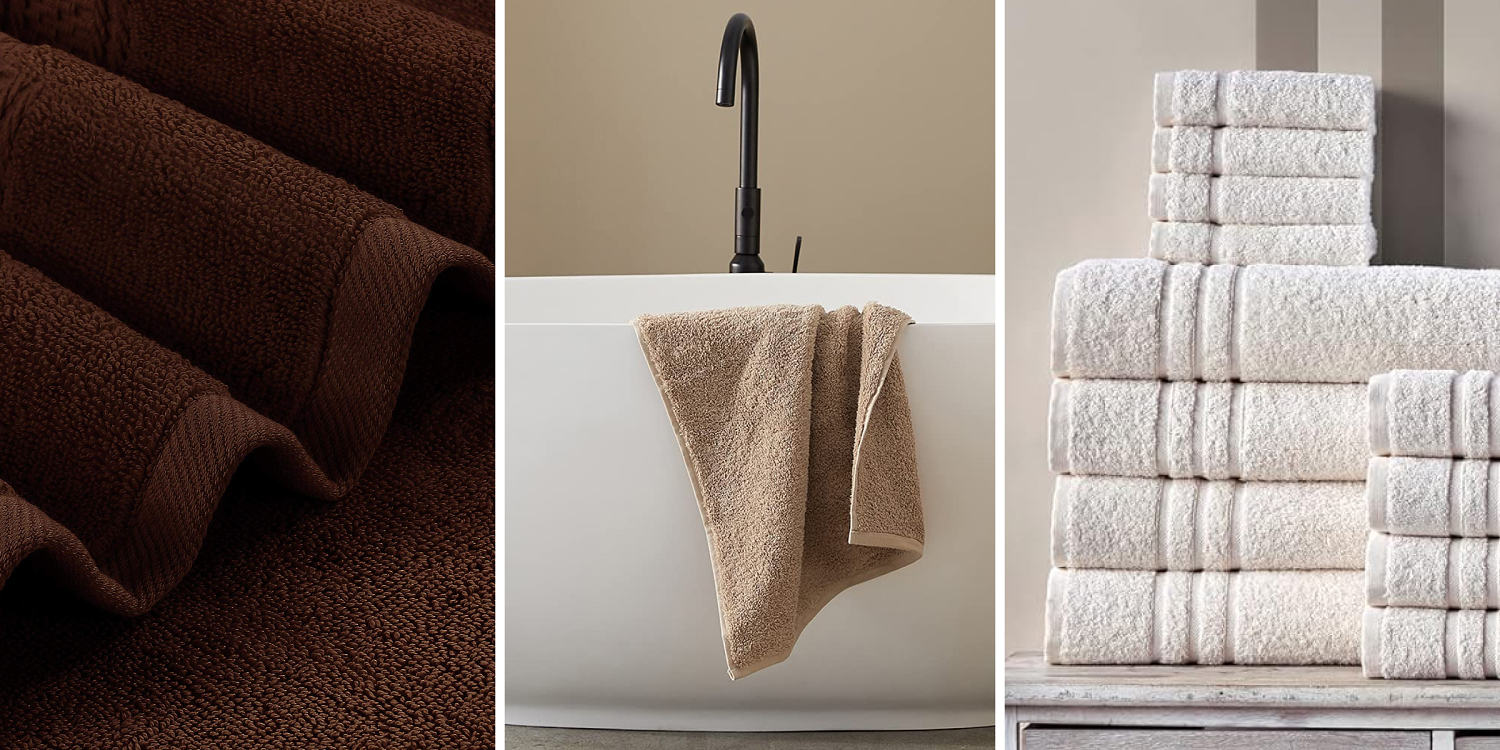
Everybody wants to wrap themselves in a cloud after a hot shower. Internet listicles pump out the same lazy consensus week after week, pushing hyper-fluffy, heavily combed cotton bath towels that feel like a warm embrace on a Sunday morning. Amazon is flooded with cheap, high-gsm loops of cotton designed to seduce your fingertips in the packaging.
It is all a marketing trick built on short-term tactile deception.
Those heavy, cloud-like towels are moisture-repelling traps. They harbor bacteria, take three cycles in the dryer to achieve a lukewarm state of dampness, and coat your skin in a film of silicone softeners while aggressively dragging dead cells across your epidermis like a microscopic cheese grater.
I spent a decade auditing textile supply chains for luxury hotels and high-end residential spas. I have watched procurement teams blow millions of dollars buying the exact same plush residential garbage that influencers hype online, only to throw out entire linen inventories six months later because they turned sour, stiff, and gray.
The obsession with plushness is destroying your bathroom hygiene and your skin barrier. Let us dismantle the myths holding your bathroom hostage.
The GSM Scam and Why Heavy Means Hostile
Gram per square meter, or GSM, is the metric internet reviewers use to validate quality. Anything under six hundred is treated like sandpaper. Anything over eight hundred is marketed as royal luxury.
This metric measures weight, not performance.
When you increase the GSM of a towel, you are packing more cotton fibers into every square inch. Sounds great until you understand the physics of drying. A high-GSM towel is dense. When you step out of the shower, water needs to travel through capillary action from your skin into the core of the yarn.
Dense, tightly packed loops block airflow. The exterior of the towel gets damp, while the core remains a dark, warm, humid cavern. That is not a drying tool. That is an incubator for mold, mildew, and staphylococcus bacteria.
Microbiologists who test residential linens consistently find that heavy plush towels retain moisture for hours after use. If your bathroom lacks industrial ventilation, your fluffy towel is staying damp long enough to breed a microscopic colony that you will lovingly press against your face tomorrow morning.
Real luxury isn't heavy. Real luxury is efficient.
The Softener Lie That Destroys Absorbency
Manufacturers know you judge a towel by its initial hand-feel. When you touch a towel in a warehouse, you want it to feel like a kitten. To achieve this, mass-market producers coat cotton fibers in chemical softeners, silicone emulsions, or wax-based finishes before shipping them out.
These finishes coat the individual cotton strands in a water-repellent slick.
When you buy those fluffy Amazon best-sellers, you are buying a towel that pushes water around your skin rather than absorbing it. You have to drag the towel across your body multiple times to get dry, creating friction-based irritation that ruins your skin barrier.
Over time, those chemical softeners build up. Try using liquid fabric softener or dryer sheets on your towels and you are effectively waterproofing them. You might as well dry off with a polyester raincoat.
If a towel feels instantly soft out of the box without a single wash, be suspicious. High-grade cotton, particularly long-staple varieties like authentic Turkish or Egyptian variants, starts out somewhat crisp. It softens naturally through use and laundering as the fibers bloom and relax.
Why Waffle Weave and Turkish Pestemals Destroy Terry Cloth
The entire terry cloth paradigm is outdated. Loop-pile cotton was designed for industrial durability in Victorian bathhouses, not for modern apartments with limited laundry space and high humidity.
Look at what high-end Mediterranean and Japanese bath culture figured out decades ago. They use flat-woven textiles, waffle grids, and low-pile pestemals.
A waffle weave utilizes a geometric grid structure that expands when wet, opening up channels for immediate moisture evaporation. It pulls water off the skin instantly via surface tension, dries completely within thirty minutes hanging on a standard bathroom hook, and never traps the sour, musty funk that plagues thick terry loops.
| Feature | The Amazon Plush Trap | The Waffle Weave Reality |
|---|---|---|
| Drying Speed | 4 to 8 hours | 30 to 45 minutes |
| Moisture Absorption | Repels via chemical coatings | Instant capillary pull |
| Bacterial Growth | High risk due to core retention | Low risk due to rapid airflow |
| Lifespan | 6 to 12 months before souring | 5 to 10 years of consistent performance |
When you switch to a structured, low-profile weave, you stop rubbing damp lint into your pores. Your skin stops reacting to trapped detergent residues. Your laundry bill drops because you are not running the dryer for an extra hour to bake a single heavy towel.
How to Audit Your Current Linen Inventory
Go into your bathroom right now. Pull every towel off the rack.
Smell them. If they have a faint, stale odor even after being washed, throw them out. That smell is deep-set mildew embedded in the core yarns where standard household detergent cannot reach.
Check the weight tag or product listing. If it boasts an ultra-high GSM and feels like a stuffed animal, retire it to the pet bed pile.
Replace them with lightweight, long-staple cotton textiles with zero chemical finishes. Wash them twice in hot water with a cup of white vinegar and zero detergent to strip away the manufacturing residues before your first use.
Stop letting marketing departments dictate how you dry your body. Comfort is not measured by how heavy a fabric feels when you lift it. Comfort is stepping out of the shower, touching a textile to your skin, and being completely dry in a single pass without hosting a bacterial ecosystem.
Throw away the plush trap. Embrace the flat weave.