Thirst has a sound. It is not the dramatic roar of a crowd or the wail of a siren. It is the hollow click of a handle pushed down by a weary traveler, followed by nothing. No hiss. No gurgle. Just the heavy, humid silence of a system cut off from its lifeblood.
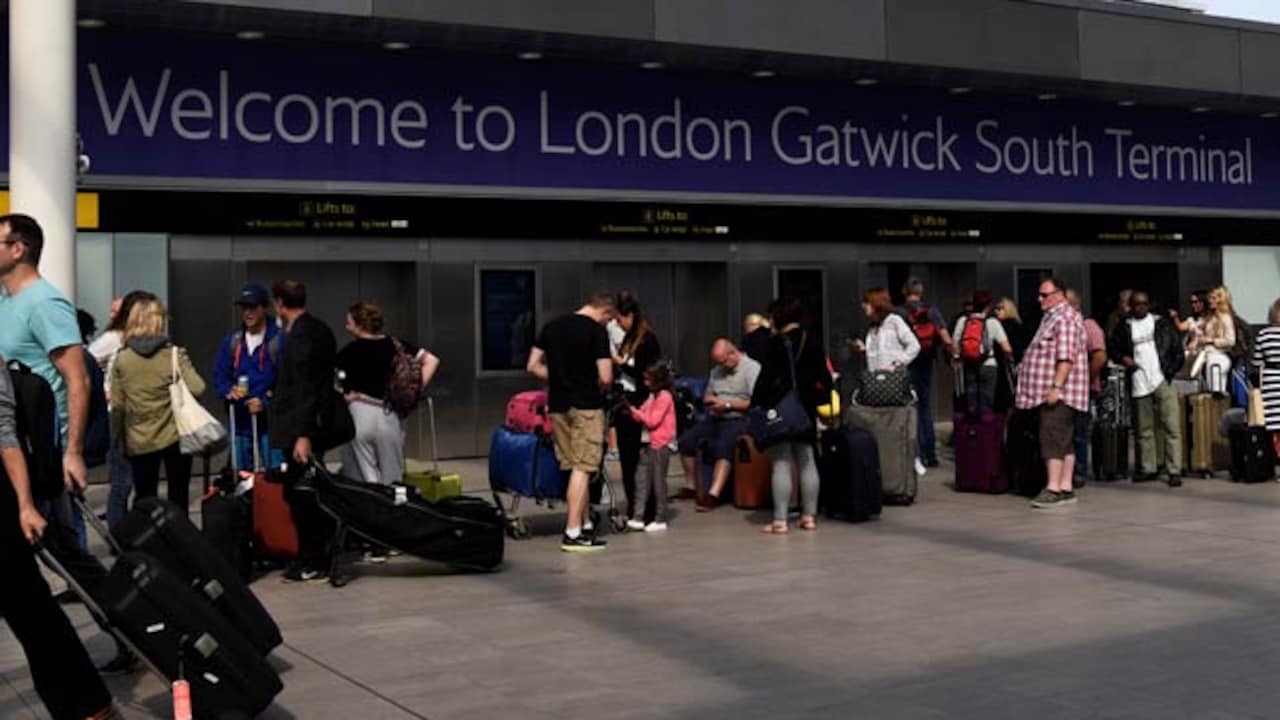
Consider Elena, a fictional traveler standing in a London airport terminal after a ten-hour red-eye flight. Her eyes are gritty with exhaustion. Her throat feels like sandpaper. She spots a water fountain near gate twenty-four, a familiar metal oasis she has used a dozen times before. She bends down, presses the button, and waits. Nothing happens. She tries again, harder this time. A drop of condensation rolls down the outside of the basin, mocking her effort.
That single drop represents a cascading failure.
Water is the invisible nervous system of any modern transport hub. We take it entirely for granted. We step onto a concourse, grab a flat white from a bustling barista, wash our hands in gleaming restrooms, and board our flights without ever thinking about the subterranean web of valves, mains, and pumps keeping the machine alive. Until that web snaps.
When the water mains fail at a major international gateway, the consequences ripple outward with terrifying speed. Hygiene becomes an immediate casualty. Without running water, public restrooms must lock their doors. Hundreds of thousands of square feet of terminal space suddenly lack the basic sanitation required to function. Handwashing sinks dry up. Sanitation stations empty out. The toilets, unable to flush, transform from modern conveniences into biohazards.
Think about the eateries lining the concourses. Stainless steel kitchens require gallons upon gallons of water every single hour to operate legally and safely. Dishwashers sit dormant. Ice machines freeze in their tracks. Espresso machines hiss and die. The aroma of freshly brewed coffee is replaced by the sharp tang of cleaning chemicals and the mounting anxiety of managers pulling down metal shutters across their storefronts. Thousands of passengers, already stressed by delayed itineraries, find themselves cut off from basic sustenance. No cold drinks. No hot meals. Just long, snaking queues and a growing sense of helplessness.
Airport operations rely on absolute predictability. Every minute is choreographed down to the second. Baggage handlers, security personnel, flight crews, and passengers move through a tightly wound ecosystem. When a vital utility like water vanishes, the choreography dissolves into chaos. Flights cannot be properly catered. Planes sit at gates longer because turnaround times stretch out when cleaning crews cannot access basic supplies.
The public address system crackles to life. A calm voice offers updates, but the information is sparse. Frustration mounts. Travelers exchange glances of shared disbelief. How can a modern marvel of engineering be brought to its knees by something as basic as a dry pipe?
The answer lies in the sheer scale of urban infrastructure. Airports are essentially small cities. They consume water at volumes that rival municipal neighborhoods. When a main breaks or a supply line suffers a catastrophic drop in pressure, the engineering teams face a monumental puzzle. They must isolate the fault, reroute supplies where possible, and coordinate with local utility providers to restore flow, all while tens of thousands of impatient people look on.
We often view travel through the lens of technology. We marvel at carbon-fiber wings, digital boarding passes, and automated baggage sorting systems. We forget that underneath the shiny tiles and polished glass, humanity still relies on the oldest element of civilization. We need water.
As the issue is eventually resolved and the first hesitant gurgle of water returns to the taps, a collective sigh of relief sweeps through the terminal. The shutters go back up. The coffee machines roar back to life. But the memory lingers.
Next time you wash your hands at thirty thousand feet or grab a bottle of water before boarding, pause for a second. Listen to the rush of the tap. It is the sound of a world working the way it is supposed to. And you will know, intimately, what happens when it stops.