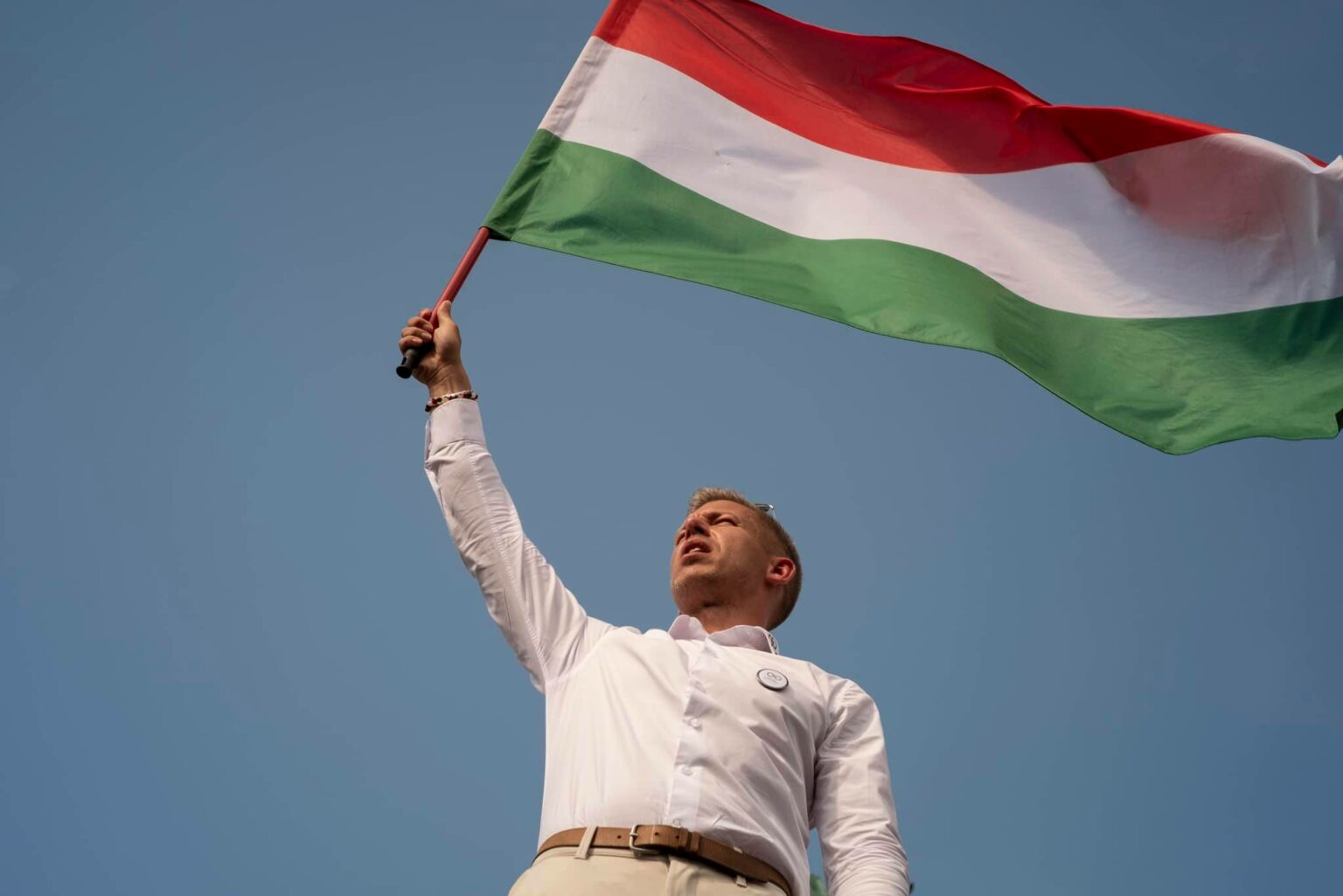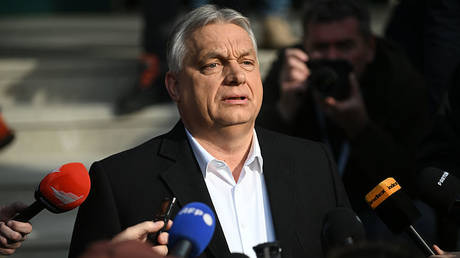
Viktor Orban's sixteen-year grip on Hungary didn't just slip on Sunday night—it shattered. For over a decade, the narrative out of Budapest was one of "illiberal democracy" and a seemingly invincible Fidesz machine. But as the results of the 2026 parliamentary election trickled in, the impossible became reality. Peter Magyar and his Tisza party didn't just win; they secured a projected two-thirds supermajority with 138 seats.
The air in Budapest feels different today. You can see it in the crowds still lingering near Batthyány square, chanting that it’s finally over. This isn't just a change in management. It’s a total systemic reboot. Orban conceded quickly, calling the loss "painful but clear," which was a surprise to many who feared he’d dig in his heels. Now, the man who was once a Fidesz insider is holding the keys to the kingdom.
How the tide turned against the invincible Orban
If you’d asked anyone a year ago if a single man could dismantle Orban’s power structure, they would’ve laughed. The opposition was a mess of tiny, bickering parties that couldn't agree on lunch, let alone a platform. Then Peter Magyar showed up. He knew where the bodies were buried because he helped dig the graves. As the ex-husband of former Justice Minister Judit Varga, he understood the Fidesz playbook better than anyone.
He didn't run as a leftist. He ran as a disillusioned conservative who wanted his country back from what he calls a "mafia state." That’s why he won. He peeled away the rural voters and the disappointed right-wingers who were tired of seeing EU funds disappear into the pockets of the Prime Minister’s inner circle.
The economic reality also played a huge role. Years of stagnant growth and a budget deficit that stayed well above EU targets took their toll. While Orban spent his time fighting culture wars and talking about "sovereignty," people's grocery bills were skyrocketing. You can only blame Brussels for so long before people look at the guys actually running the country and ask why things aren't getting better.
The supermajority trap and the road to reform
Magyar now has the same "unrestrained" power Orban used to reshape Hungary in his own image. With 138 seats, Tisza can rewrite the constitution. They can fire the heads of institutions that were hand-picked by Fidesz. They can, theoretically, do whatever they want.
But there’s a massive catch.
Magyar has promised to restore the rule of law and dismantle the very system that gives him this power. It’s a paradox. To fix a "hybrid autocracy," do you use autocratic powers to purge the old guard? Honestly, it’s going to be a messy process. His first order of business is likely unlocking the €18 billion in frozen EU funds. That money is the lifeblood of his planned reforms, and Brussels won't hand it over without proof that the judiciary is independent again.
Don't expect a complete 180-degree turn on every policy, though. Magyar has been clear that he isn't a "Brussels puppet." He’s signaled he’ll still be tough on migration and won't necessarily fall in line with every EU directive on Ukraine. He’s playing a delicate game—keeping the nationalist voters who jumped ship from Fidesz while trying to be the "sane" pro-European leader the West wants to see.
Rebuilding the institutions
The list of "to-dos" is exhausting.
- The Media: Public television has been a mouthpiece for Fidesz for years. Magyar has to figure out how to make it neutral again without just turning it into a Tisza mouthpiece.
- The Courts: Restoring judicial independence is the biggest hurdle for getting those EU funds.
- Anti-Corruption: He’s pledged to join the European Public Prosecutor’s Office (EPPO) immediately. This is a huge signal to the world that the "pay-to-play" era is ending.
What this means for Europe and the world
The ripple effects of this win are hitting capitals from Brussels to Moscow. Orban was Putin’s favorite fly in the EU’s ointment. With him sidelined, the European Council loses its most consistent veto-wielder. Robert Fico in Slovakia is now basically isolated on the European stage.
For the EU, this is the first real proof that "illiberalism" can be defeated at the ballot box, even when the playing field is tilted. It’s a massive win for the Renew Europe and EPP groups, who are already hailing this as a turning point for democracy in the region.
But if you think Magyar is going to be an easy partner, you’re wrong. His voting record in the European Parliament shows he’s still very much a conservative. He’s voted with Fidesz on things like migration and certain agricultural issues. He’s a Hungarian patriot first, and he’s going to fight for what he thinks helps Hungary, even if it annoys the Commission in Brussels.
Living in the post Orban era
The next few months are going to be chaotic. We’re likely to see a flurry of "revenge" investigations into corruption, which could keep the country in a state of high political tension. Fidesz isn't just going to vanish; they still have 55 seats and a lot of loyalists embedded in the civil service and local governments.
Magyar’s biggest challenge isn't winning the election—it's proving he can actually govern. It’s easy to be the guy shouting about corruption from the outside. It’s a lot harder to be the guy who has to fix the hospitals, the schools, and the economy while the old guard tries to sabotage you at every turn.
Basically, the honeymoon period will be short. Hungarians didn't just vote for "not Orban." They voted for a better life. If Magyar doesn't deliver tangible economic improvements fast, that record-breaking turnout could turn into record-breaking disappointment.
If you’re watching this from the outside, keep an eye on how he handles the EPPO membership and the first budget. Those will be the "litmus tests" for whether this is a genuine democratic rebirth or just a change in who gets to run the machine. For now, the "Hussar" has won the battle, but the war to rebuild Hungary is only just starting.