The timeline is broken.
Every single time a high-profile campus lawsuit drops, the exact same digital choreography unfolds. Millions of thumbs tap out identical solidarity posts, hashtags trend before the court transcripts are even public, and a massive wave of performative outrage crashes over the internet. Everyone rushes to declare their allegiance to the narrative, treating a complex legal proceeding like an open-source popularity contest.
It feels good. It feels righteous. It feels like action.
It is actually a disaster for justice.
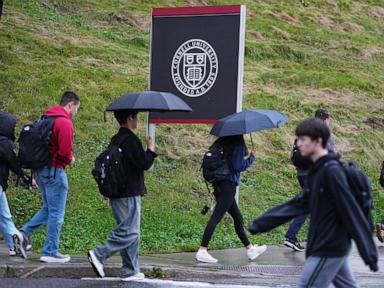
When the Jane Doe solidarity posts flooded social media following the Cornell rape lawsuit, the public didn't demand a rigorous examination of institutional accountability, due process, or evidentiary standards. They demanded a loyalty oath. If you weren't posting the exact graphic, you were the enemy. If you asked for details about the actual claims, you were branded an apostate.
I have watched public relations crises tear institutions apart from the inside, and I can tell you that this digital mob mentality achieves exactly two things: it protects corrupt bureaucracies by turning legal battles into culture war theater, and it starves actual victims of the quiet, grueling evidentiary work required to win in a court of law.
Let us look past the viral noise and dismantle why this knee-jerk digital tribalism is ruining the very causes it claims to champion.
The Lazy Consensus of the Timeline
The prevailing narrative on social media follows a predictable, lazy script. A complaint is filed. The internet takes the allegations as absolute, unalterable truth, projects its own anxieties onto the defendants, and demands immediate social excommunication.
This creates a dangerous illusion. People assume that because an issue is trending, progress is happening.
Nothing could be further from the truth. Universities love viral outrage because viral outrage is abstract. When a scandal becomes a battle over hashtags and aesthetic grid posts, it shifts the battlefield away from where institutions are actually vulnerable—discovery documents, financial audits, Title IX administrative records, and sworn depositions.
Cornell's legal team doesn't care if your Instagram story features a black square or a solidarity graphic. In fact, they welcome it. While the public is busy tearing each other apart in the comments section over who posted fast enough, the actual institutional mechanisms of cover-up continue uninterrupted behind closed doors.
Public relations professionals call this the fog of noise. When the volume is cranked to maximum, accountability becomes impossible.
The Weaponization of Empathy
Let us define terms precisely. Empathy, in its modern digital iteration, has been warped from a cognitive tool for understanding another human being's reality into a weaponized performance of moral purity.
When people share solidarity posts en masse, they are rarely doing it because they have analyzed the briefs or understand the jurisdiction's specific legal hurdles. They are doing it for social signaling. It is currency. It purchases absolution from the guilt of living in an unjust world without requiring the heavy lifting of structural reform.
The downside to this approach is devastatingly clear. By reducing a multi-layered legal battle to a binary choice between good and evil online, we erase the nuance that actual plaintiffs need to win their cases. Courts do not care about retweets. Judges do not rule based on trending topics. Juries look at timelines, witness testimony, forensic evidence, and institutional communications.
When the court of public opinion tries to replace a court of law, due process gets thrown out the window. And here is the brutal truth that nobody wants to admit: abandoning due process hurts victims more than anyone else.
Imagine a scenario where the standard for institutional liability becomes whatever narrative captures the algorithm on a Tuesday afternoon. That sounds empowering until the algorithm shifts, or until a poorly investigated case collapses under scrutiny because the digital mob rushed to conclusions before the evidence was secure. When the backlash hits, the real victim is left holding the bag while the performative allies quietly delete their posts and move on to the next trend.
What People Also Ask
If you search for answers regarding high-profile campus lawsuits and social media movements, you run into the same flawed questions designed to keep you trapped in the outrage cycle.
Is viral solidarity effective at forcing universities to change policies?
No. It forces universities to hire expensive crisis PR firms and draft sterile, defensive legal statements. True institutional change happens when discovery unearths embarrassing internal emails and financial trails that threaten endowment funding or accreditation. Hashtags do not audit compliance departments.
Should survivors share their stories on social media before legal resolution?
From a strict litigation standpoint, doing so is often a defense attorney's dream. Anything posted publicly can be subpoenaed, dissected, and used to attack credibility under cross-examination. The internet treats storytelling as therapeutic; the legal system treats it as evidence. Those two frameworks are frequently at war with one another.
How can everyday observers actually support justice in these cases?
Stop treating legal disputes like entertainment. Support legal defense funds, demand transparency from university boards regarding non-disclosure agreements, and fund independent investigative journalism that digs into institutional cover-ups long after the hashtags fade.
The Uncomfortable Reality of Institutional Defense
Let us look at how universities actually operate when a major lawsuit lands.
I've seen organizations blow millions on crisis management consultants whose sole job is to wait out the storm. They know that human attention span online is roughly seventy-two hours. They know that the army of people posting solidarity graphics today will be distracted by a celebrity breakup or a political gaffe by next week.
The strategy is simple: stonewall, absorb the digital PR hit, let the internet exhaust itself, and let the slow, grinding gears of civil litigation price the plaintiff out of justice.
When you participate in the performative solidarity loop, you are playing right into their hands. You are providing the weather. The university is the house. And storms eventually pass, leaving the structure intact.
If we want to stop repeating this cycle, we have to abandon the comfort of the feed. We have to trade the warm, fuzzy dopamine hit of a viral share for the cold, boring labor of reading court filings, tracking institutional money, and demanding structural transparency that survives long after the trending tab clears.
Stop posting graphics. Start reading briefs.