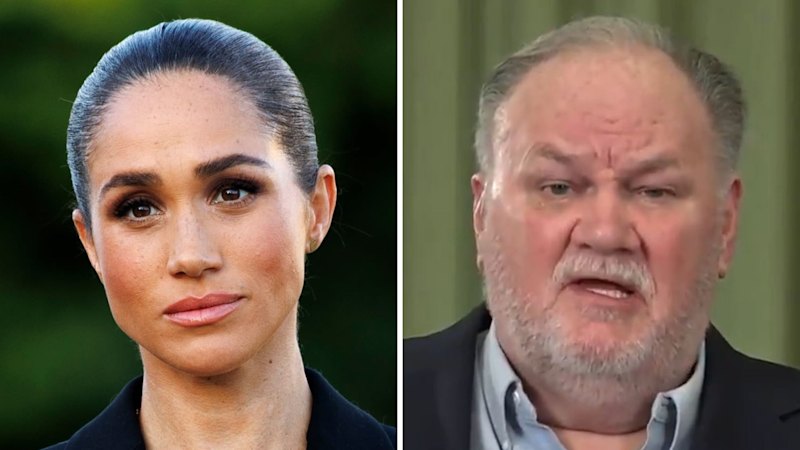
Let's clear the air right away because internet rumors move way faster than actual facts. If you saw a headline claiming Thomas Markle Snr was charged over child abuse images in the Philippines, you stumbled across a classic piece of fabricated clickbait.
It didn't happen. Not even close. If you found value in this piece, you might want to read: this related article.
The rumor mill around Meghan Markle's estranged father has always been a magnet for wild speculation, distorted tabloid coverage, and outright hoaxes. Whenever a prominent figure has a complicated, high-profile family rift, bad actors online exploit the public's curiosity to generate clicks, ad revenue, and outrage. Understanding how these false legal claims spread—and separating real court records from social media fiction—is the only way to avoid getting played by engagement traps.
Where the Thomas Markle Snr Rumors Actually Come From
To understand why a headline like "Thomas Markle snr charged over child abuse images in the Philippines" pops up in dark corners of social media or spammy aggregator sites, you have to look at how celebrity misinformation works. For another angle on this story, refer to the latest coverage from Wall Street Journal.
First, people mix up names. Second, trolls deliberately mash together real geographical locations with completely fake criminal accusations.
Thomas Markle Sr., a retired television lighting director who worked on shows like Married... with Children and General Hospital, has lived in Rosarito, Mexico, for years. He has never been a resident of the Philippines, nor has he been arrested or charged by Philippine law enforcement for any offense involving child exploitation or abuse material.
Yet, on platforms like X, Facebook, and low-tier content farms, bots and rage-bait accounts routinely take a recognizable name—especially someone already polarizing in the British and American press—and attach a horrific, fabricated crime to it. Why? Because outrage drives clicks. People rarely pause to check court dockets in Manila or verify whether a major news outlet like the BBC, Associated Press, or Reuters has reported a word of it.
Honestly, it's one of the oldest tricks in the digital playbook. You take a public figure who already gets negative press, invent an extreme legal scandal in a foreign jurisdiction where average readers don't know how to check public records, and watch the algorithm do the rest.
Separating Real Controversies from Outright Fabrication
If you've followed the royal family drama since 2018, you know Thomas Markle Sr. has had plenty of real, documented controversies. None of them involve criminal charges in Southeast Asia.
His actual history in the headlines revolves around media stings, health scares, and a deeply fractured relationship with his daughter, the Duchess of Sussex. Here is what actually happened versus what gets twisted online:
- The 2018 Staged Paparazzi Photos: Right before Prince Harry and Meghan Markle's wedding in May 2018, British tabloids revealed that Thomas Markle had collaborated with a paparazzi agency to stage photos of himself getting fitted for a suit and reading books about Britain. That incident triggered a massive fallout and led to him missing the royal wedding.
- Health Crises and Hospitalizations: Markle has suffered multiple documented medical emergencies, including heart surgery in 2018 and a severe stroke in May 2022 that temporarily left him unable to speak. His residence during all of these events was Rosarito, Baja California, Mexico—right across the border from San Diego, California.
- Copyright and Privacy Lawsuits: The only major legal battles involving Thomas Markle Sr. and the press have been civil matters in the UK. Specifically, Meghan Markle sued Associated Newspapers Limited (the publisher of The Mail on Sunday) over the publication of a private, handwritten letter she sent to her father in August 2018. She won that privacy and copyright case in 2021.
Notice a pattern? Every single real story involving Thomas Markle Sr. is thoroughly documented by mainstream journalists, backed by verifiable court filings in London or medical records in California, and follows a clear timeline.
When a story claims a major international arrest happened—especially involving severe federal or international crimes—and zero reputable news organizations touch it, you're looking at a hoax.
Why False Criminal Accusations Target Celebrities and Their Families
You might wonder why someone would even bother making up a story about Thomas Markle Sr. in the Philippines. It comes down to two things: search engine manipulation and social media monetization.
Spam networks constantly scrape trending keywords. They see high search volume for "Thomas Markle" alongside unrelated trending news stories about arrests or international crackdowns, and automated scripts—or desperate clickbait writers—stitch those keywords together into a Frankenstein headline.
Sometimes, these fake articles sit on domains with "undefined" or broken URLs, designed purely to rank for bizarre long-tail search queries before disappearing a few weeks later.
It's also worth noting how easily confusion happens with other people who share similar names. Across the English-speaking world, there are thousands of men named Thomas Markle. When someone with a similar name gets arrested in another country or state, internet sleuths with zero fact-checking skills immediately jump to the conclusion that it must be the famous one.
This happens constantly. A few years ago, false rumors circulated claiming various celebrities had been arrested in foreign countries on absurd charges, only for fact-checkers at organizations like Snopes and Reuters to trace the rumor back to a completely unrelated local arrest or a satire site that someone took seriously.
How to Spot Fake Celebrity Legal News in 30 Seconds
You don't need a journalism degree to protect yourself from falling for fabricated headlines. Next time you see a shocking claim about a celebrity or a public figure's family member, run through a quick mental checklist before believing or sharing it.
1. Check the Big Wires First
If a high-profile figure—or the father of a member of the British royal family—were actually arrested or charged with a major crime anywhere in the world, the Associated Press, Reuters, BBC, and every major tabloid in London would have wall-to-wall coverage within minutes. Open a new tab and search the person's name under the "News" filter. If nothing from a recognized newsroom appears, the story is dead on arrival.
2. Look at the Jurisdiction and Details
Real crime reporting includes specific, verifiable details. It names the exact court, the arresting agency (for example, the Philippine National Police or the National Bureau of Investigation), the date of arraignment, and the legal representation. Fake articles rely on vague phrasing, recycled photos from years ago, and zero attribution to official law enforcement statements.
3. Inspect the URL and Domain
Clickbait farms love using strange subdomains, misspelled news outlet names, or broken links. If the source doesn't have an editorial masthead, a clear corrections policy, or named reporters with verifiable track records, treat every word on the page as fiction.
4. Watch for Emotional Bait
Defamatory hoaxes are engineered to make you angry or horrified. When a headline feels specifically tailored to confirm your worst assumptions about a controversial public figure, pause. Emotional reactions bypass critical thinking, which is exactly what content farms count on.
The Real Legal Reality Around Thomas Markle Sr
As of 2026, Thomas Markle Sr. has no criminal charges pending against him in the Philippines, Mexico, the United States, or the United Kingdom. His public life remains centered on his ongoing estrangement from Meghan Markle, occasional interviews with British broadcasters like GB News, and managing his recovery from his 2022 stroke.
While his public feuds with the Duke and Duchess of Sussex continue to draw sharp criticism from royal watchers and media commentators alike, criticizing someone's media appearances is worlds apart from accusing them of heinous crimes.
False accusations of child abuse aren't just harmless gossip—they represent severe defamation and muddy the waters around real law enforcement efforts to combat actual exploitation. When fake headlines clog up search results, they distract from legitimate reporting and deceive readers looking for actual news.
Before sharing any viral post about celebrity arrests or foreign legal scandals, take ten seconds to cross-reference the claim against established wire services and official court records—if the major newsrooms aren't reporting it, don't repeat it.