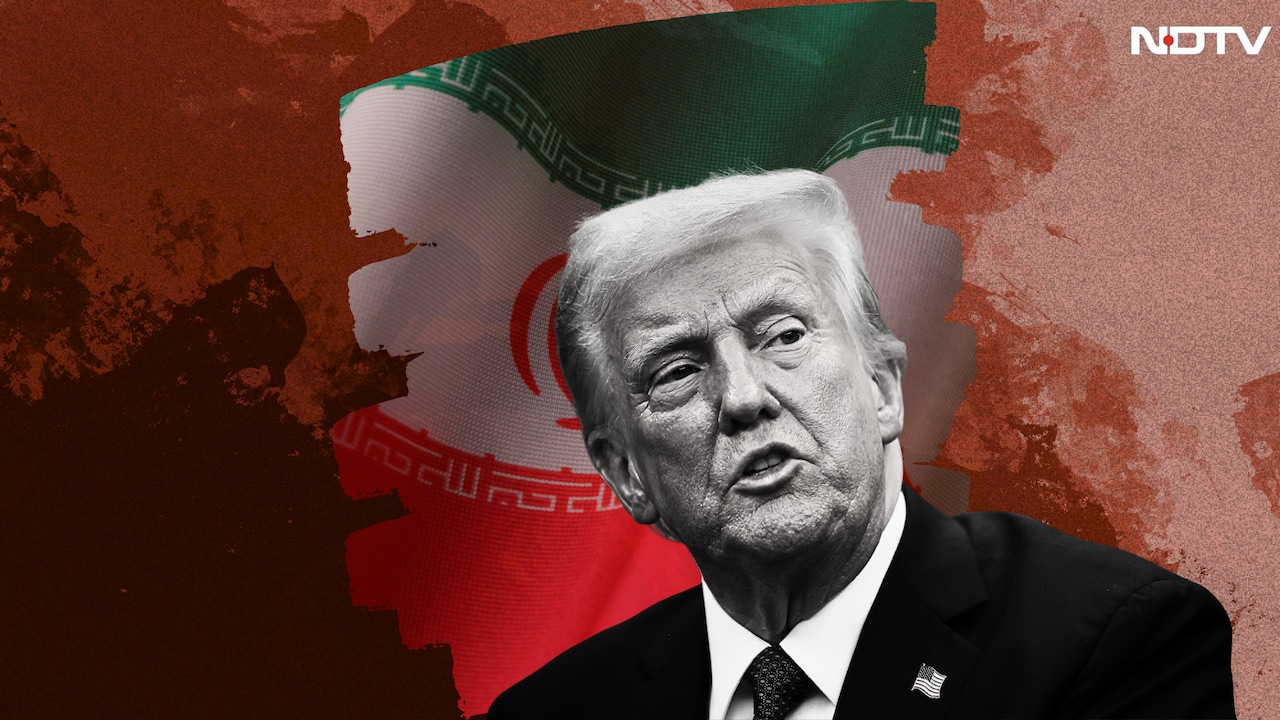
Donald Trump just declared the shaky Middle East ceasefire dead, ordered two consecutive days of heavy airstrikes against Iranian military targets, and threatened to seize the country's main oil hub. Yet, hours later, he looked reporters in the eye at a NATO summit in Ankara and promised any fighting would be over very quickly.
If that sounds like a contradiction, you don't understand how Trump handles foreign policy.
Most analysts are panicking, predicting an uncontrollable spiral into World War III. They look at the numbers—over 80 targets hit by US Central Command, power grids knocked out in coastal cities like Chabahar, and a Russian-operated nuclear plant in Bushehr shaken by nearby blasts. Then they look at Iran's retaliation, featuring 85 drone and missile strikes against American bases, and assume a prolonged bloody war is inevitable.
They're misreading the room. Trump isn't setting up a multi-year occupation or a nation-building campaign. He's applying maximum leverage to force a rapid surrender or a lopsided deal. It's high-stakes brinkmanship, and understanding the real mechanics behind this sudden escalation changes how you view the entire conflict.
The Illusion of a Total War
Washington loves long, drawn-out strategic planning, but the current administration doesn't operate that way. When Iran breached the mid-June ceasefire by attacking commercial tankers in the Strait of Hormuz—including ships belonging to Saudi Arabia and Qatar—Trump chose immediate, disproportionate retribution over diplomatic protests.
The strategy relies on hitting civilian and economic infrastructure to make the cost of resistance unbearable, fast. US forces didn't just target the fast boats and radar stations used by the Islamic Revolutionary Guard Corps. They explicitly struck Iran's electricity network and threatened Kharg Island, the vital terminal handling roughly 90% of Iranian oil exports.
"We hit their electricity. We hit the things they need to operate," Trump told reporters, openly floating the idea of a total naval blockade. "Anything that happens is going to happen very fast."
This isn't a conventional war plan. It's an economic strangulation wrapped in a blitzkrieg. By crushing the energy infrastructure of an already fragile nation, the goal is to break the regime's capacity to fight before a theater-wide conflict can materialize. Vice President JD Vance summarized the administration's stance simply: if they shoot at ships, the US will knock the hell out of them to keep global oil flowing.
Why Iran Won't Just Fold
Believing this strategy is guaranteed to work is a massive mistake. The White House operates under the assumption that Iran's leadership will panic and beg for a deal under pressure. Trump even claimed on Air Force One that Iranian officials called wanting a deal badly, though he questioned if they were even worthy of making one.
But Tehran isn't a monolith, and treating it like one ignores the dangerous internal politics currently playing out.
The country is in a state of chaotic transition. Supreme Leader Ayatollah Ali Khamenei was killed back in February, and his official dayslong funeral period is just now wrapping up. The resulting power vacuum has split Iran's political elite into two distinct camps.
- The Pragmatists: Led by diplomats trying to negotiate a permanent peace deal, this faction desperately needs international sanctions lifted to salvage a ruined economy.
- The Hard-liners: Armed with missiles and controlling the Revolutionary Guards, these figures view control of the Strait of Hormuz as their ultimate leverage against the West.
When the hard-liners launch drones at commercial tankers, they aren't just provoking Trump. They're actively sabotaging their own country's moderate negotiators. Parliament Speaker Mohammad Bagher Qalibaf made their stance clear on X, stating that the era of bullying is over and Iran won't fold. Other officials went further, warning that if American troops attempt to invade Kharg Island, not a single US soldier will return alive.
When Trump escalates, he directly plays into the hands of Iranian hard-liners who want to prove that negotiating with America is completely pointless.
The Trillion Dollar Bottleneck
This conflict matters because of a narrow, volatile strip of water. The Strait of Hormuz controls the flow of about a fifth of the world's petroleum. The moment Trump declared the ceasefire dead, global oil prices surged.
If the administration's quick war drags on for even a few weeks, the global economic fallout will be massive. A prolonged disruption to shipping lanes means skyrocketing fuel prices, immediate inflation spikes, and disrupted supply chains across Europe and Asia. NATO Secretary-General Mark Rutte defended the US strikes as absolutely necessary to preserve freedom of navigation, but behind closed doors, European leaders are terrified of a sustained energy crisis.
Trump is betting everything on the idea that the threat of losing Kharg Island will force Iran to cap its nuclear ambitions and yield control of the shipping lanes. It's a massive gamble. If the Iranian regime decides that national survival requires total defiance, a quick conflict turns into a regional wildfire.
To see how the military friction looks on the ground, check out this broadcast analysis of the initial military strikes.
Real Next Steps for Following the Crisis
Don't get distracted by the daily political rhetoric coming out of Washington or Tehran. If you want to know which way this conflict is actually heading, monitor these specific indicators over the next 72 hours.
First, look at the commercial shipping data in the Persian Gulf. If major maritime insurance firms completely suspend coverage for tankers entering the Strait of Hormuz, global energy markets will spiral regardless of what the White House promises.
Second, watch the political shifts in Tehran immediately following the end of Khamenei's funeral ceremonies. If the Revolutionary Guards continue unilateral rocket attacks despite the destruction of their coastal radar sites, it proves the hard-liners have successfully hijacked the government, rendering Trump's hopes for a swift, decisive capitulation entirely dead on arrival.
This video breaks down Donald Trump's press conference at the NATO summit where he outlines his expectations for a short-lived conflict with Iran.