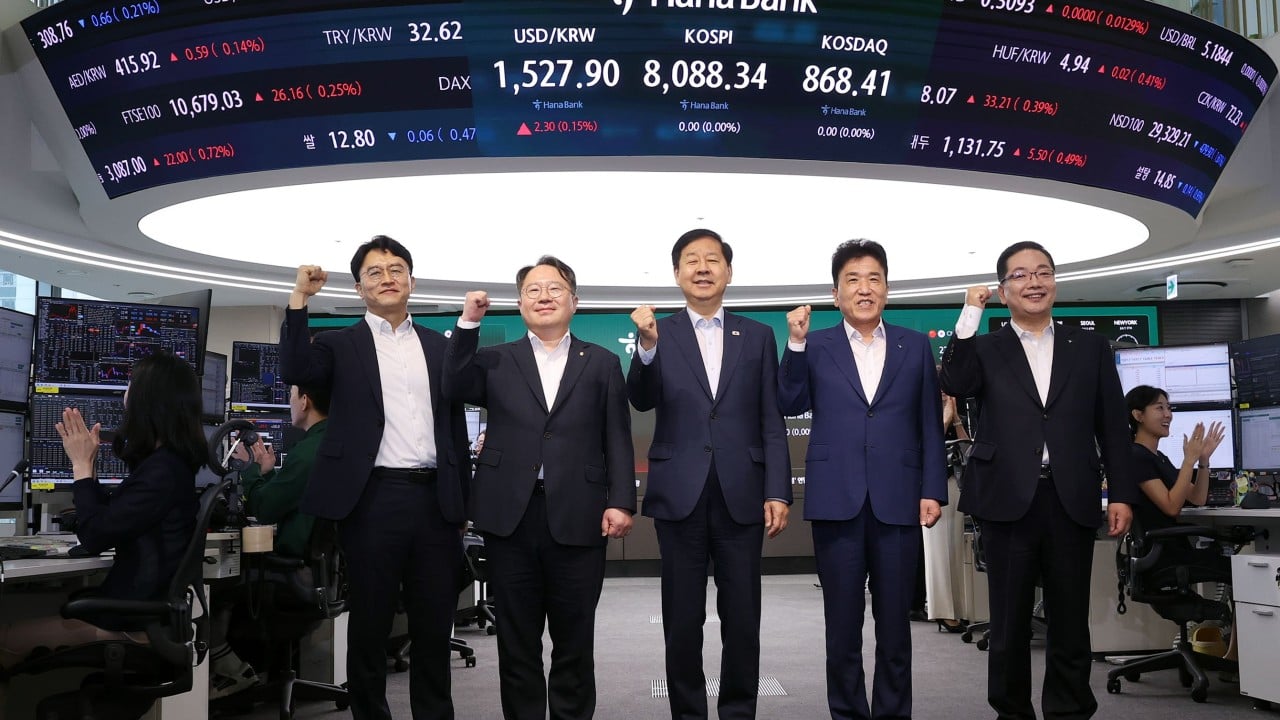
The South Korean won just pulled off something it hasn't done since the 1997 Asian financial crisis. It stopped sleeping. On Monday, July 6, 2026, Seoul officially flipped the switch on a near 24-hour trading window for the KRW/USD currency pair, stretching the market from 6 a.m. Monday all the way through 6 a.m. Saturday.
Initial reports showed the won holding steady, moving less than a percentage point. But focusing on day-one stability misses the real point. This isn't just a minor administrative tweak to currency desks. It's a complete dismantling of decades-old defensive walls built during a time when South Korea almost ran out of dollars. For a deeper dive into similar topics, we recommend: this related article.
If you trade global equities, run a corporate supply chain, or manage macro currency risk, the rules of the game changed overnight.
The Real Strategy Behind the 24 Hour Clock
For decades, the Bank of Korea and domestic regulators ran a tight ship. Trading wrapped up at 3:30 p.m. local time, which later stretched to 2 a.m. in 2024 to catch London’s trading window. But if a massive economic data point dropped in New York at noon, the onshore won market was completely dark. Global investors had to rely on Non-Deliverable Forwards (NDFs) to manage their exposure. This created huge gaps between onshore and offshore pricing, triggering violent swings when Seoul reopened the next morning. For broader context on this topic, in-depth analysis can be read at MarketWatch.
The primary catalyst for this shift isn't a secret. Seoul wants a promotion. MSCI still classifies South Korea as an emerging market, a label that bugs local officials given the country’s massive tech and manufacturing footprint. MSCI's biggest complaint has always been simple: your currency is too hard to trade and settle globally.
By opening a 24-hour window, the government is systematically removing that roadblock. A developed-market upgrade from MSCI would automatically force billions of dollars from passive index funds directly into Korean stocks.
Why the Traumatic Past Kept the Market Closed
To understand why it took until 2026 to see this happen, you have to understand the trauma of 1997. During the Asian financial crisis, the won collapsed, reserves emptied out in days, and the country needed a massive IMF bailout. The lesson domestic regulators learned was to hoard dollars and guard the gates. They intentionally restricted trading hours to prevent foreign speculative attacks from draining liquidity overnight.
Things are different now. South Korea is a net capital exporter. Entities like the National Pension Service are buying massive amounts of overseas assets. Local retail investors are obsessed with late-night trading on Wall Street. Keeping the won locked in an office-hours box was hurting domestic capital efficiency far more than it was protecting the economy.
Finance Minister Koo Yun-cheol labeled the move the "starting point for the won's global leap". Behind that rhetoric lies a massive operational lift. Major domestic institutions like Hana Bank spent months building out night desks and expanding offshore teams in London and New York to handle live pricing and actual physical settlement when Seoul is asleep.
The Overnight Liquidity Trap to Watch
Here is the part most mainstream coverage ignores: the difference between legal trading hours and actual market liquidity.
Just because a market is open at 3:30 a.m. Seoul time doesn't mean it will be deep. In the foreign exchange world, thin liquidity is dangerous. If trading volumes drop significantly during the graveyard shift between New York's close and Tokyo's open, even small corporate orders can trigger outsized price spikes.
The government knows this. They are trying to solve it via a "Leading Bank System," rewarding onshore institutions with better regulatory perks if they commit to aggressive market-making and tight spreads during the late-night hours.
For corporate treasurers and active macro traders, the immediate playbook requires caution. Don't assume the midnight liquidity profile will match the afternoon session.
Your Next Steps in the New Won Era
If you hold South Korean assets or manage corporate exposure, stop relying on old morning-open strategies. The morning gap risk is diminishing because global events will now price into the spot won in real time.
Review your hedging execution windows. If you routinely use NDFs because of timezone mismatches, look into transacting directly in the onshore spot market through newly registered foreign institutions. The price discovery is moving back home to Seoul, and that's where the best execution will live. Keep orders during off-peak hours small until the time-weighted average prices settle into a predictable pattern. The walls are down, but building a liquid, global currency takes time.