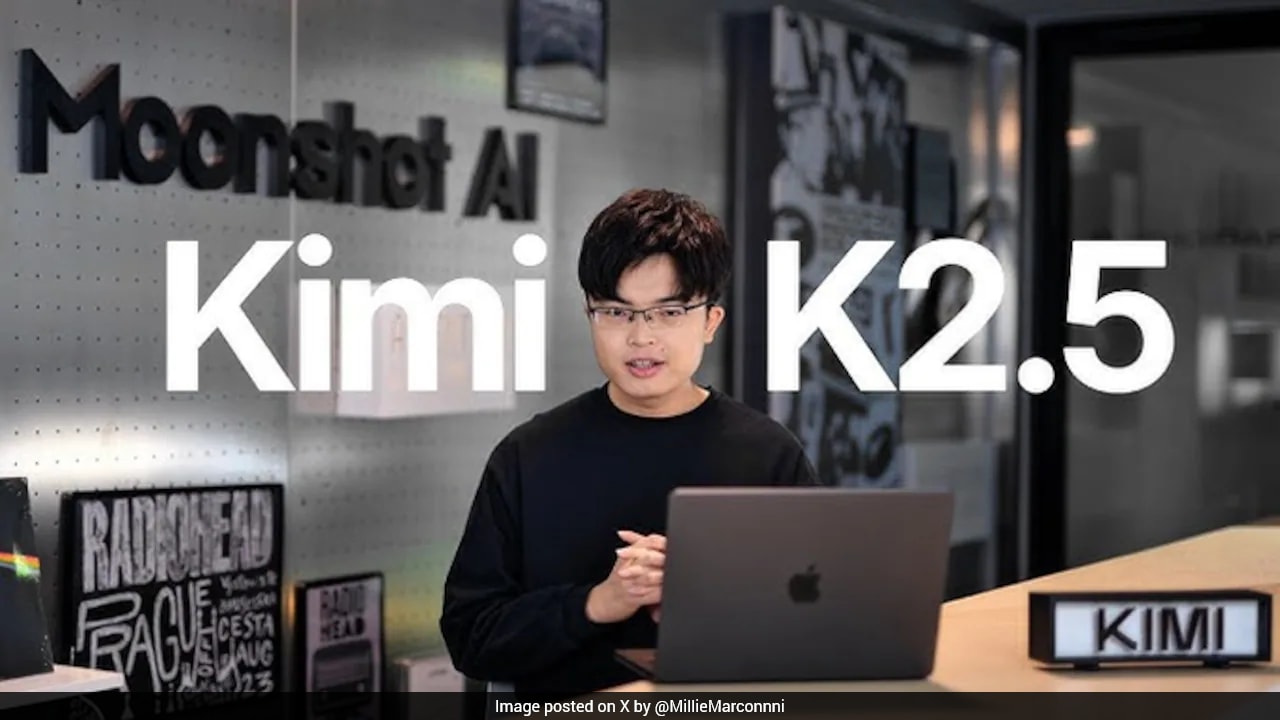
Silicon Valley loves to act like it holds a permanent monopoly on artificial intelligence innovation. Every few months, a narrative pops up about how American labs are the only ones capable of pushing the frontier. Then a 34-year-old former rock drummer drops a 2.8-trillion-parameter model that shakes global markets. Meet Yang Zhilin, the CEO of Moonshot AI. While western media frames him as an overnight sensation, his trajectory is actually a masterclass in global talent arbitrage and rigorous foundational research. If you want to understand where modern language models are heading, you have to look past the hype and examine how Yang built one of China’s most valuable AI startups by taking core machine learning concepts and executing them with brutal speed.
Most profiles of Yang focus heavily on his pedigree. He earned his PhD in machine learning from Carnegie Mellon University, worked at Google Brain and Meta AI, and co-authored foundational research papers like Transformer-XL and XLNet during his early twenties. But treating him simply as an academic who crossed the Pacific misses the point entirely. Yang didn't just copy western ideas. He helped write them. When he left the United States to return to Beijing instead of taking lucrative offers from Apple or Silicon Valley giants, he wasn't rejecting western technology. He was positioning himself inside an ecosystem that could scale infrastructure faster and cheaper. You might also find this connected story insightful: The $50,000 Missile Trying to Break the Pentagon Supply Chain.
The Real Engine Behind Kimi
When Moonshot AI launched its Kimi chatbot, the standout feature wasn't just conversational flair. It was context length. Yang and his team focused obsessively on processing massive amounts of text in a single prompt, changing how users interact with long-form documents. As reported in detailed reports by Mashable, the effects are notable.
Many analysts assume this success came out of nowhere. It didn't. Yang spent years working on architecture efficiency. Before founding Moonshot in 2023, he co-founded Recurrent AI and contributed to early domestic large language models like Huawei's PanGu and the Beijing Academy of Artificial Intelligence's Wu Dao. By the time ChatGPT captured global attention, he already understood the computational bottlenecks of sequence modeling inside and out.
Why Silicon Valley Missed the Shift
American tech executives often miscalculate Chinese AI labs because they view them through a lens of imitation rather than native engineering brilliance. When Kimi K3 hit the market with open weights, it caught legacy competitors flat-footed.
- Infrastructure Agility: Moonshot coordinates tightly with massive local cloud providers like Alibaba and Tencent, securing compute pipelines that move at breakneck speeds.
- Top-Tier Talent Networks: Yang recruits heavily from Tsinghua University, creating an R&D pipeline that turns out hyper-focused engineering teams.
- Open-Weight Strategy: By releasing powerful models to the public, they commoditize intelligence faster than closed-ecosystem giants can monetize it.
The Commercial Reality Check
It is easy to get swept up in multi-billion-dollar valuations and rapid revenue milestones. Annual recurring revenue crossed $300 million, and private fundraising rounds value the company at astronomical heights. Yet, running an open-weight frontier lab is brutally expensive. Rival domestic labs have reported massive net losses while trying to keep pace with training costs and inference demands.
Yang faces the ultimate test of turning technical supremacy into sustainable profit before regulatory walls or capital burn catch up. He isn't just managing an engineering team anymore. He is navigating international trade scrutiny, data compliance battles, and the immense pressure of a planned Hong Kong stock exchange listing.
Stop waiting for western tech blogs to explain the next wave of global automation. Watch the structural efficiency of labs operating out of Beijing. Yang Zhilin proved that the center of gravity in machine learning is no longer tied to a single zip code in California.