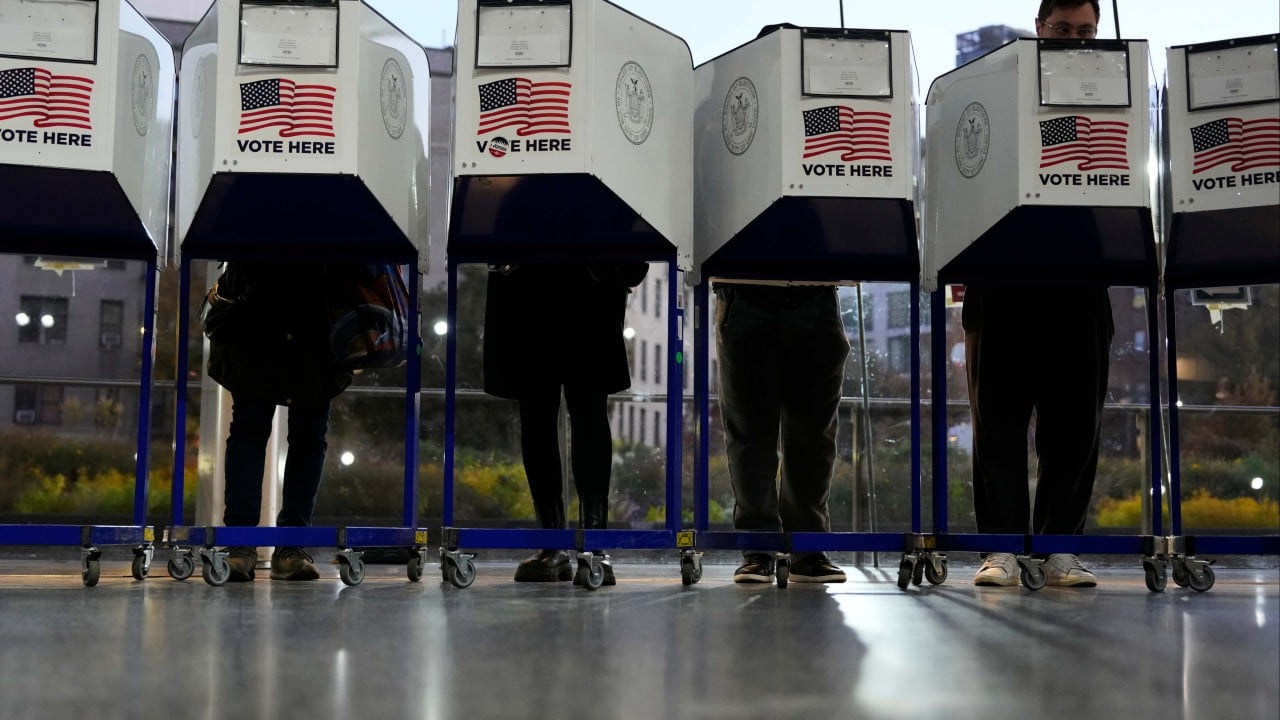
Everyone expected a nail-biter in Georgia. Instead, we got a blowout.
When Democratic Senator Jon Ossoff defeated Republican Representative Mike Collins on November 3, 2026, the Associated Press called the race at 7:55 p.m. EST—less than an hour after the polls closed. Ossoff didn't just survive in a battleground state that Donald Trump had carried in 2024. He crushed his opponent by roughly 18 percentage points, pulling in nearly 2.47 million votes to Collins's 1.71 million. That 59% to 41% margin marks the widest Senate victory for a Georgia Democrat since Zell Miller won in 2000.
If you've been following national pundits, you probably heard that Georgia is a permanent 50-50 toss-up where every statewide election goes to overtime. That narrative died on election night. Looking closely at the numbers, the primary dynamics, and the campaign strategy reveals why this race wasn't actually close—and what it means for future elections in the South.
Why the Polls Missed the Margin of Jon Ossoff's Georgia Senate Victory
Pollsters saw an Ossoff win coming, sure. They just missed the scale of it by a mile.
Heading into November 3, the RealClearPolitics polling average gave Ossoff an 8.6-point edge. The Legis1 polling consensus showed him ahead by 9.4 points, sitting at 52.9% to Collins's 43.5%. Even prediction markets like Kalshi priced Ossoff's odds of winning at 97.3% on election eve.
Nobody predicted an 18-point landslide. Why did the polling models underestimate the incumbent by nearly ten points?
First, traditional polling struggled to capture the sheer drop-off in Republican enthusiasm during a midterm cycle where a Republican sat in the White House. In 2021, Ossoff won his seat in a razor-thin runoff. In 2022, Senator Raphael Warnock had to grind through a runoff against Herschel Walker just to hold his seat. Analysts assumed Georgia's electorate was locked in amber. It wasn't.
Second, suburban voters in metro Atlanta swung hard. When a candidate clears 59% statewide in Georgia, they aren't just running up the score in Fulton and DeKalb counties. They're winning outer-ring suburbs and eating into rural margins that Republicans rely on to stay competitive.
How the Republican Primary Bruised Mike Collins
You can't understand the general election without looking at the mess Republicans made for themselves in the spring and summer of 2026.
While Jon Ossoff ran unopposed in the Democratic primary on May 19, racking up over a million votes without spending a dime on intra-party attacks, Mike Collins had to survive a brutal five-way GOP primary. Collins, a two-term congressman and trucking company owner from Georgia's 10th District, won Donald Trump's endorsement. Even with that backing, he only cleared 40.5% in the May primary against rivals Derek Dooley and Buddy Carter.
That forced Collins into a June 16 primary runoff against Dooley. Collins won that runoff with 55.5% of the vote, but the damage was already done.
The Cash Disadvantage
Fighting a two-stage primary drains money fast. By the end of March 2026, Federal Election Commission filings showed Collins had raised $4.3 million and spent nearly $2.8 million just trying to lock down his own party's nomination. Buddy Carter had burned through $6 million, and Derek Dooley spent over $1.4 million.
Meanwhile, Ossoff banked his war chest. Outside Republican groups tried to rescue Collins in the fall—SLF PAC lined up $11.5 million in opposition spending against Ossoff, and The Georgia Way added another $7.1 million—but it couldn't overcome Ossoff's massive head start in direct fundraising and early voter outreach.
Candidate Baggage That Couldn't Be Cleaned Up
Primary voters often reward ideological purity, which tends to backfire in a general election. To win over the MAGA base against Dooley and Carter, Collins leaned hard into Donald Trump's false claims about widespread fraud in the 2020 election.
Once the general election started, Collins couldn't pivot back to the center. He also faced relentless scrutiny over ties between his family and former staffers to individuals who espoused white nationalist and antisemitic views. Ossoff hammered those connections in campaign ads and on the debate stage, framing Collins as too extreme for a modern, growing state.
Inside the Debates and Campaign Messaging
If you watched the October debates—specifically the clashes on October 8 and October 13—you saw two completely different theories of how to win Georgia.
Collins tried to nationalize the race around border security and cultural grievances. During the October 13 debate, he called Ossoff a "trust fund kid," blamed him for the death of Laken Riley, and claimed Ossoff wanted an open border that let fentanyl flood into Georgia communities. Collins also claimed Ossoff supported abortion "up until and past birth"—a talking point PolitiFact quickly rated false, noting Ossoff backed the standard set under Roe v. Wade.
Ossoff didn't play defense. Honestly, that's what surprised a lot of political observers.
Instead of running away from national politics, Ossoff turned the race into a direct referendum on the Trump administration. He delivered viral speeches attacking what he called "the most corrupt administration of all time" and mocked Collins on the debate stage for having a "childlike devotion to Trump".
At the same time, Ossoff kept his messaging anchored to kitchen-table issues and constituent services in Georgia. He pushed back on the Laken Riley Act attacks by pointing to his own record on law enforcement funding and border enforcement. Voters bought Ossoff's framing. They saw an incumbent focused on Georgia's economy and a challenger auditioning for cable news hits.
What This Election Means for 2028
The political fallout from November 3 goes way beyond one Senate seat. Ossoff's victory helped Democrats reclaim control of the U.S. Senate, giving the party a critical check on the White House for the next two years.
Is Jon Ossoff Running for President?
Every time a young Democrat wins big in a swing state, the 2028 presidential chatter starts immediately. Ossoff is 39 years old, telegenic, and just proved he can build a coalition that wins by double digits in the Deep South.
Ask him about 2028, though, and he shuts it down fast. Ossoff has stated repeatedly over the past few months that he has "zero interest" in running for president. Take that with a grain of salt—politicians always say no until they say yes—but right now, he has plenty of leverage right where he sits in the Senate majority.
The Warning Sign for Georgia Republicans
For the Georgia GOP, the 2026 Senate results are a flashing red warning light. Governor Brian Kemp previously proved that a traditional, business-focused conservative can win statewide in Georgia without alienating suburban swing voters. Mike Collins ran the exact opposite playbook, and he lost by more than 750,000 votes.
If Republicans keep nominating candidates who relitigate 2020 and struggle to distance themselves from fringe rhetoric, they're going to keep handing statewide offices to Democrats.
How to Track What Happens Next in Georgia Politics
If you're following how this landslide reshapes congressional power and Georgia's political map, don't rely on cable news hot takes. Look at the primary data directly:
- Check county-level precinct shifts: Pull the certified results from the Georgia Secretary of State's office and compare 2026 margins in Cobb, Gwinnett, and Henry counties against the 2024 presidential numbers. That tells you where the suburban floor actually sits.
- Watch early 2027 committee assignments: With Democrats holding the Senate majority, Ossoff is positioned for major committee leadership roles that will direct federal infrastructure and defense dollars into Georgia.
- Monitor FEC filings for Q1 2027: Watch where Ossoff's massive donor network sends its money next. Even if he stays out of the 2028 presidential race, his fundraising list is now one of the most valuable assets in the Democratic Party.
You can watch the full victory address in Sen. Ossoff defeats Mike Collins in U.S. Senate race to see how he framed his second-term agenda directly to supporters on election night.