You have probably seen the headlines about a massive multi-billion-dollar luxury resort tearing up the Albanian coastline. It features big names: Jared Kushner, Ivanka Trump, and the controversial prime minister of Albania, Edi Rama. The media loves framing this as a simple story of political favor or environmental destruction. But if you think this is just another standard real estate deal with a famous name attached, you are missing the real story.
What is actually happening on the shores of Sazan Island and the Vjosa-Narta wetlands is a complex clash of global political leverage, local public fury, and a high-stakes investigation by Albania's special anti-corruption prosecution body, SPAK.
To understand why this project is triggering a political storm right now, we have to look past the glitzy marketing. This isn't just about building five-star hotels. It's about how a tiny Balkan nation reshaped its own laws to accommodate elite American investors, and why local citizens have decided they have had enough.
The Barefoot Hike That Sparked a Billion Dollar Deal
The origin story of this development sounds like a luxury travel brochure. Ivanka Trump recently shared on a podcast that she and Kushner discovered Sazan Island by accident while on a friend's boat. They stopped for a swim, hiked to the top of the uninhabited island barefoot, and were captivated by its raw beauty.
That barefoot hike turned into a massive business venture. Kushner's private equity firm, Affinity Partners, through an entity called Atlantic Incubation Partners LLC, plan to inject roughly 1.4 billion euros into transforming the area. The project is vast. It isn't just Sazan Island, a former Cold War-era military outpost. It also includes a sprawling footprint on the mainland near Zvërnec, right along the fragile Vjosa-Narta lagoon system.
The scale is staggering. We are talking about a proposed development featuring luxury villas, a marina, and up to 10,000 hotel rooms managed by high-end brands like Aman Resorts. For Prime Minister Edi Rama, this is the ultimate validation of his vision to turn Albania from a former isolated Stalinist state into the next high-end Mediterranean hot spot. He wants big spenders, not just budget backpackers.
But the locals aren't buying the dream.
The Reality Behind the Protected Status Loophole
Here is what the glossy pitch decks don't tell you. The land Kushner is targeting was, until very recently, strictly protected by Albanian law. The coastal dunes, pine forests, and wetlands of Zvërnec and the Vjosa-Narta region are critical habitats. They host over 200 bird species, including Dalmatian pelicans and pink flamingos, and the surrounding waters are some of the last refuges for the endangered Mediterranean monk seal.
So, how do you build a mega-resort on a protected nature reserve? You change the law.
In 2024, the Albanian government amended its environmental legislation. The new rules conveniently allowed for the construction of ultra-luxury five-star resorts within previously protected coastal areas. Shortly after Donald Trump won the US presidential election later that year, Kushner's firm was granted "Strategic Investor" status. This designation allows developers to bypass standard bureaucratic hurdles, fast-track permits, and gain major incentives.
Critics point out a glaring issue. This elite status was granted incredibly quickly, with opponents claiming it happened before a comprehensive business plan or finalized environmental impact study was even made public.
Fences, Water Cannons, and Flamingos
The political storm moved from the halls of parliament to the dirt roads of Zvërnec when the bulldozers arrived. Heavy machinery began clearing ancient dunes and cutting access roads through Mediterranean pine forests.
Then came the fences. Workers erected concrete-based, barbed-wire-topped fences around the coastal site, suddenly cutting off miles of public beach. Local farmers, fishermen, and families who had used that land for generations found themselves locked out by a private security firm.
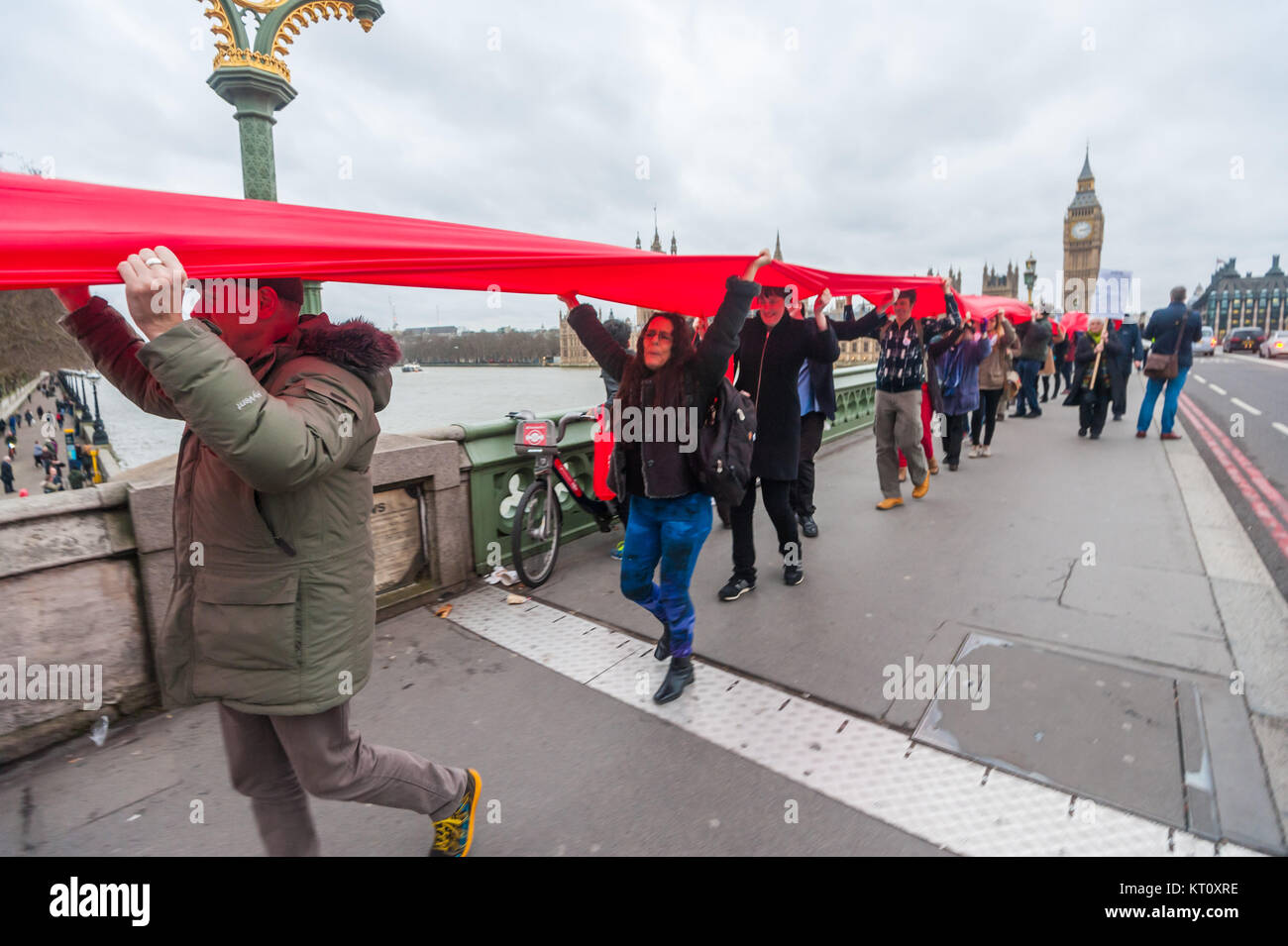
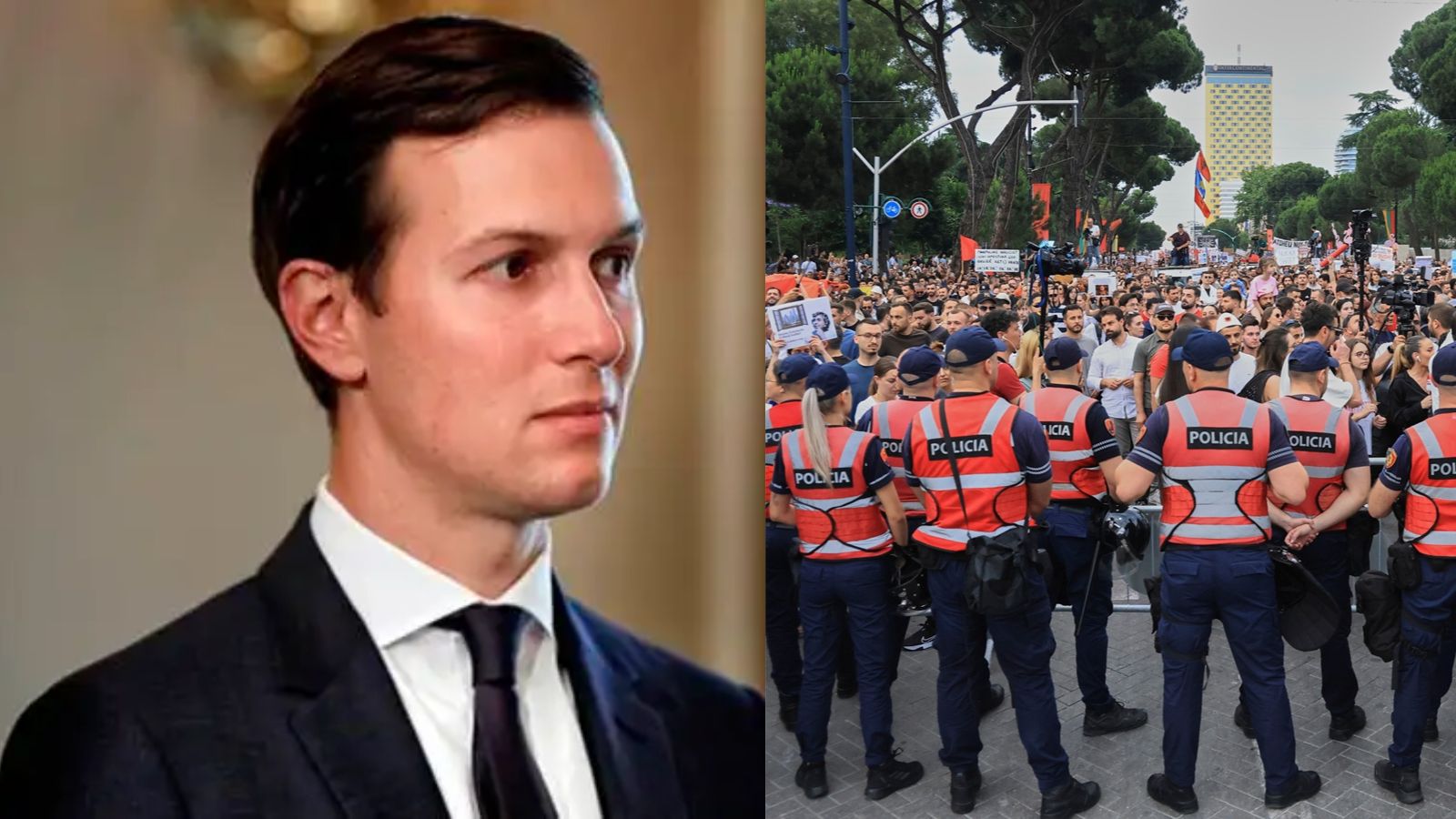
Public anger boiled over quickly. Thousands of protestors hit the streets of the capital, Tirana, and clashed with police near the prime minister's office. Activists started waving cardboard cutouts of pink flamingos and carrying signs reading "Nation is not for sale" and "I don't want Albania like Dubai."
The situation turned ugly when video footage emerged showing a private security guard violently dragging an activist near a cliffside at the development site. The government scrambled to contain the fallout, revoking the licenses of two private security firms and stripping the local police chief of his duties. But the damage was done. The protest is no longer just about conservation. It has evolved into a wider fight over national sovereignty, land rights, and transparency.
The Shadow of the Failed Belgrade Deal
This isn't Kushner's first attempt at a major Balkan redevelopment project, and the history here is why people are incredibly skeptical. Kushner previously pursued a high-profile multi-million-dollar luxury development in Belgrade, Serbia, aiming to build a complex on the site of a bombed-out former military headquarters.
That project collapsed in a spectacular fashion. Serbian prosecutors launched an organized crime probe, charging four people—including a government minister—with abuse of office and forging documents to lift the cultural heritage protections on the land. Kushner ultimately withdrew from the Belgrade deal.
Now, history seems to be repeating itself in Albania. SPAK, Albania's independent anti-corruption agency, just confirmed it has opened an official investigation into the Kushner-backed project. The inquiry is specifically digging into the 2024 legislative changes that stripped the coastal land of its protected status, as well as how these specific entities secured the rights to the property.
While Prime Minister Rama insists that "there is absolutely no chance that the investment will stop as long as I am here," the shadow of the Serbian collapse hangs heavy over the entire operation.
What This Means for Global Real Estate and Sovereignty
If you are following international real estate, environmental policy, or geopolitical trends, the situation in Albania offers a raw look at how modern sovereign development actually works. Here is what you should take away from this unfolding conflict:
- Watch the legal framework, not just the construction: Investors often look at local zoning as fixed, but in emerging markets, high-value capital can cause entire legislative frameworks to bend. The real risk lies in whether those legal shifts can withstand local judicial and anti-corruption scrutiny.
- Local pushback can stall international billions: As seen in Serbia, and now building in Albania, top-down government approval doesn't guarantee a smooth project launch. Public resistance and environmental litigation are becoming powerful economic counterweights to foreign direct investment.
- The rise of boutique luxury over mass tourism: The push for 10,000 elite rooms shows a deliberate pivot away from mass, low-cost tourism toward high-yield, low-footprint-per-capita luxury. But when that footprint lands squarely on pristine ecosystems, the public relations cost can eclipse the projected financial returns.
The bulldozers are still on the coast, the barbed wire remains up, and the protests show no signs of slowing down. Whether Kushner's barefoot dream turns into a Mediterranean paradise or another abandoned blueprint depends entirely on who wins the brewing legal fight in Tirana.