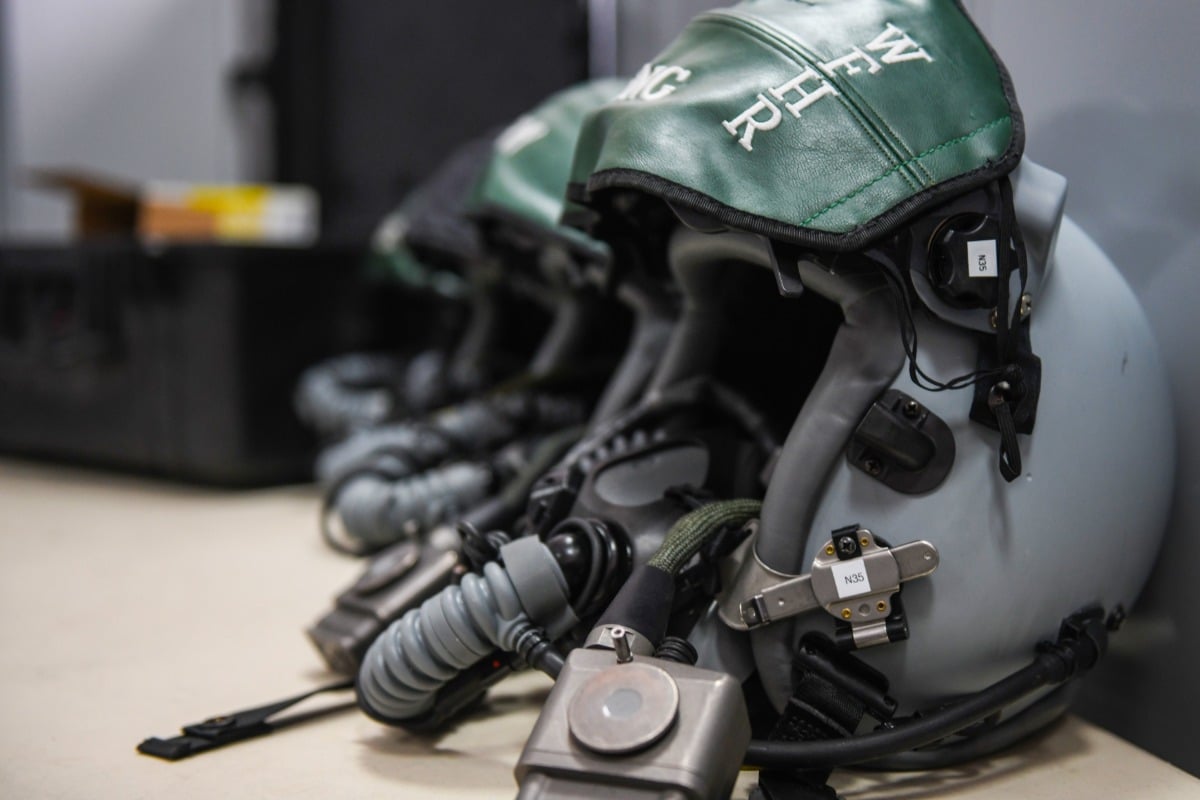
You don't just put on a modern military flight helmet. You plug into a multi-million-dollar weapon system. When the Department of Defense drops hundreds of millions of dollars on headgear contracts, people outside the defense sector choke on the price tag. They picture a standard plastic shell with some extra padding. They're wrong.
Modern fighter pilot headgear replaces traditional cockpit dashboards entirely. It acts as a wearable computer, a night vision suite, and a targeting system rolled into one custom-fitted carbon-fiber shell. If you want to understand why keeping these systems combat-ready costs a fortune, you have to look at what happens when a pilot straps into an F-35.
Inside the F-35 Helmet Mounted Display System
The Gen 3 Helmet Mounted Display System (HMDS) changes everything about how a pilot interacts with an aircraft. Traditional heads-up displays project data onto a glass panel in front of the pilot. This helmet projects everything directly onto the visor.
Speed, altitude, targeting reticles, and threat warnings float right in the wearer's line of sight. Pilots don't look down at instruments anymore. They look at the target, and the jet responds.
The hardware costs roughly $400,000 per unit. That price includes a custom laser-sintered shell built to fit an individual aviator's exact head shape. If a helmet doesn't fit right, the optical displays drift. If the displays drift during a high-G turn, the pilot loses situational awareness. Perfect fit isn't a luxury. It's a survival requirement.
The Engineering Behind 360 Degree Vision
Pilots wearing these systems experience what engineers call "see-through armor". Cameras mounted on the outside of the aircraft feed video directly into the helmet's internal displays.
When a pilot looks down, the computer stitches external camera feeds together in real time. They literally look through the floor of the cockpit while pulling nine Gs.
Night operations rely on integrated digital night vision rather than bulky green tubes strapped to the front of a traditional mask. This reduces neck strain during maneuvers. Neck injuries historically ended fighter pilot careers early. Saving a pilot from chronic physical trauma justifies a massive chunk of the maintenance budget on its own.
Why Maintenance Costs Skyrocket
Hardware acquisition is only half the battle. Keeping these complex electronic nodes combat-ready requires continuous calibration, software updates, and component replacements.
The Department of Defense routinely awards massive contract modifications—such as Lockheed Martin's $347 million acquisition deals—to keep these systems upgraded. Dust, moisture, and extreme thermal shifts degrade delicate internal sensors. Technicians must constantly service the optical projectors, eye-tracking cameras, and custom liners.
Software blocks change constantly. Every time avionics software updates, helmet symbology must be recalibrated. It's closer to maintaining a fleet of advanced smartphones than servicing standard military gear.
The Human Factor in Aviation Tech
Technology only works if the operator trusts it. Pilots spend hours in specialized fitting facilities before ever touching an operational jet. Laser scanners map their skulls to ensure the pupillary distance aligns perfectly with the internal binocular displays.
If a pilot experiences eye strain or disorientation, combat effectiveness drops immediately. That is why defense logistics prioritize rapid turnaround times for helmet repairs. Grounding a pilot because their helmet requires a sensor recalibration means a multi-million-dollar fighter jet sits idle.
Air superiority isn't just about engines and stealth coatings anymore. It belongs to whoever processes visual data the fastest. Investing heavily in these high-tech visors keeps American aviators ahead of any adversary.
Inside the $400,000 Helmets That Give U.S. Pilots INCREDIBLE 360° VISION
This video provides a detailed visual breakdown of the advanced engineering, night vision integration, and sensor technology packed inside modern fighter pilot helmets.
http://googleusercontent.com/youtube_content/1