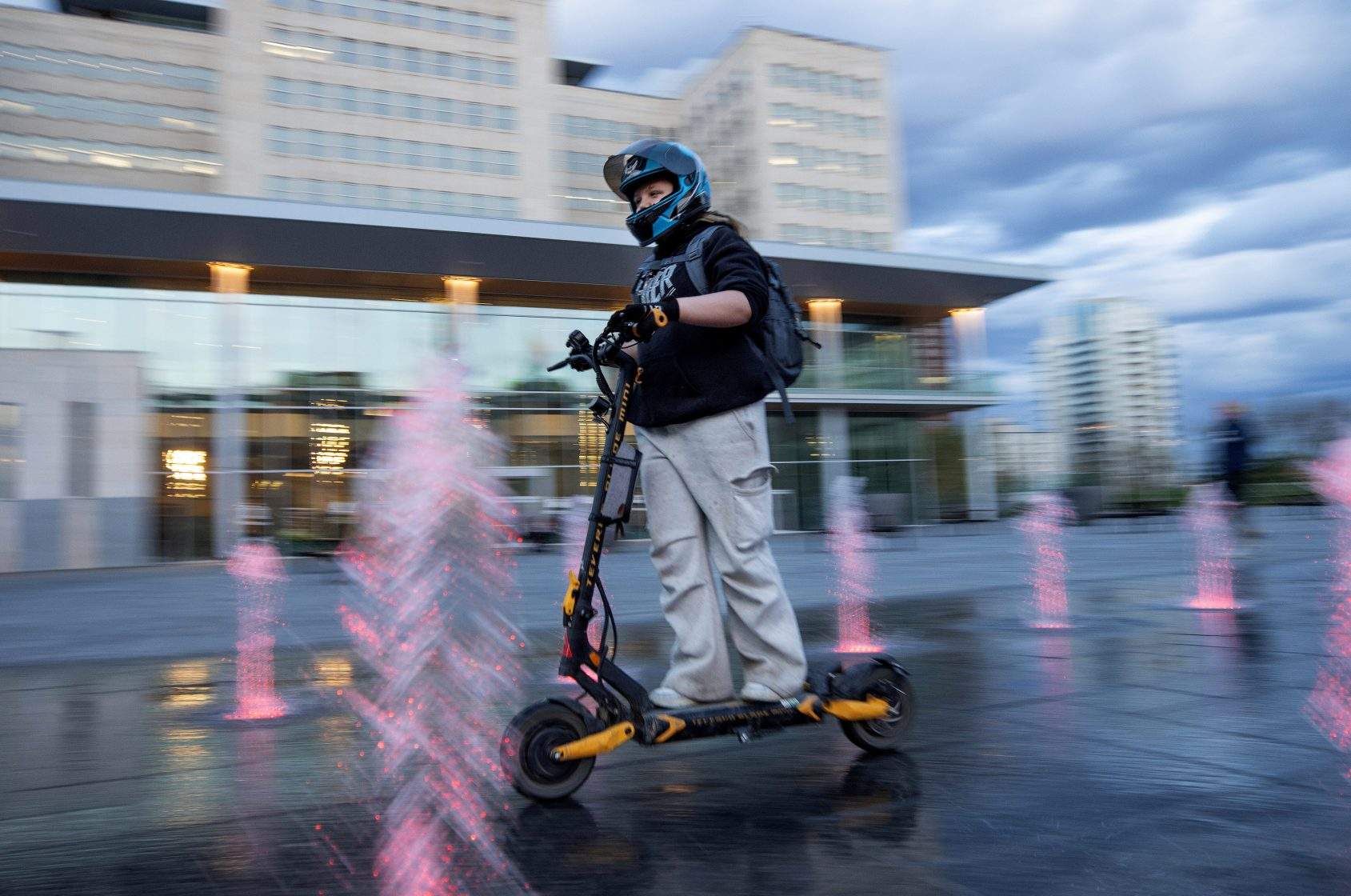
Pediatric emergency rooms are drowning in a specific kind of preventable wreckage. Electric scooters have completely invaded our sidewalks, neighborhoods, and parks. Kids are treating them like simple toys. They aren't. They are motorized vehicles capable of hitting serious speeds, and emergency physicians are watching the resulting trauma firsthand.
If you hand your kid an electric scooter without a helmet and zero instruction, you are rolling the dice with their physical safety. Doctors across major pediatric trauma centers report a massive surge in severe bone fractures, traumatic brain injuries, and deep facial lacerations tied directly to these machines.
The Reality Behind the Pediatric ER Surge
Emergency rooms are seeing a distinct pattern. Children arrive with shattered collarbones, broken wrists from trying to break a fall, and concussions that linger for months. These injuries often happen right in local neighborhoods, not busy thoroughfares. Parents assume quiet residential streets are safe zones. They aren't when a kid is flying down a paved hill at fifteen miles per hour on tiny plastic wheels.
Pediatric surgeons note that these machines offer zero protection. When a bicycle fails, the rider has larger wheels that roll over minor cracks and a frame designed for predictable handling. Electric scooters have small wheels that catch instantly on tiny gravel patches, sidewalk lips, or deep cracks. The scooter stops dead. The kid keeps going.
Physics takes over immediately. You get overhead flips, face-first impacts, and heavy momentum focused directly on unprotected wrists and skulls.
Why Kids Are More Vulnerable Than Adults
Children process speed and risk differently than adults do. Their reaction times are still developing. Their center of gravity is different. Put a ten-year-old on a machine designed to haul a commuting adult down a paved bike lane, and you have a recipe for disaster.
Kids lack the upper body strength required to steer out of sudden skids. They panic. They grab the wrong brake. They freeze.
The injury data points to specific vulnerability windows. Middle schoolers make up a huge percentage of severe trauma admissions. They want to keep up with friends, test limits, and show off. Peer pressure pushes them to ditch helmets and ignore basic safety gear. Parents often buy these scooters based on age recommendations that assume adult-level coordination and judgment, completely ignoring how kids actually behave in the wild.
The Helmet Debate and Other Dangerous Myths
Too many families treat helmets like optional accessories for short neighborhood trips. Emergency doctors point to a staggering number of head injuries that could have been completely avoided with a properly fitted helmet.
Another dangerous assumption is that low-speed models are completely safe. A scooter topping out at eight miles per hour can still crack an unprotected skull against concrete. Pavement is unforgiving.
Ask yourself what happens when your child hits a hidden pothole at dusk. Street lighting is often poor. Reflective gear is rare. Kids ride home from school or soccer practice in fading light, making them nearly invisible to cars backing out of driveways.
Doctors consistently emphasize that riding rules need to be ironclad.
- Enforce a strict helmet policy every single time.
- Restrict riding to flat, smooth parks rather than busy sidewalks.
- Ban night riding entirely.
- Check tire pressure and brakes weekly.
What You Should Do Right Now
Take a hard look at how your kids use their scooters today. Pull them aside and set clear boundaries before the next trip to the pavement. Check their safety gear right now. If the helmet is old, cracked, or loose, toss it out and get a certified multisport replacement that actually fits snugly.
Walk the neighborhood route with them. Point out the hidden hazards like uneven concrete slabs, blind driveway corners, and patches of loose gravel where those small wheels will catch.
Treat these machines with the same respect you would give a dirt bike or a gas-powered go-kart. Your kids depend on you to set the boundaries they cannot enforce for themselves.