For years, the patch of asphalt at Dundas Street West and Ossington Avenue did only one thing. It collected cars. Drivers paid their fees, fed the blinking digital meter, walked away toward the coffee shops of Trinity-Bellwoods, and left a slab of gray concrete to bake under the summer sun.
Asphalt is a quiet material. It absorbs heat and tires. It does not dream.
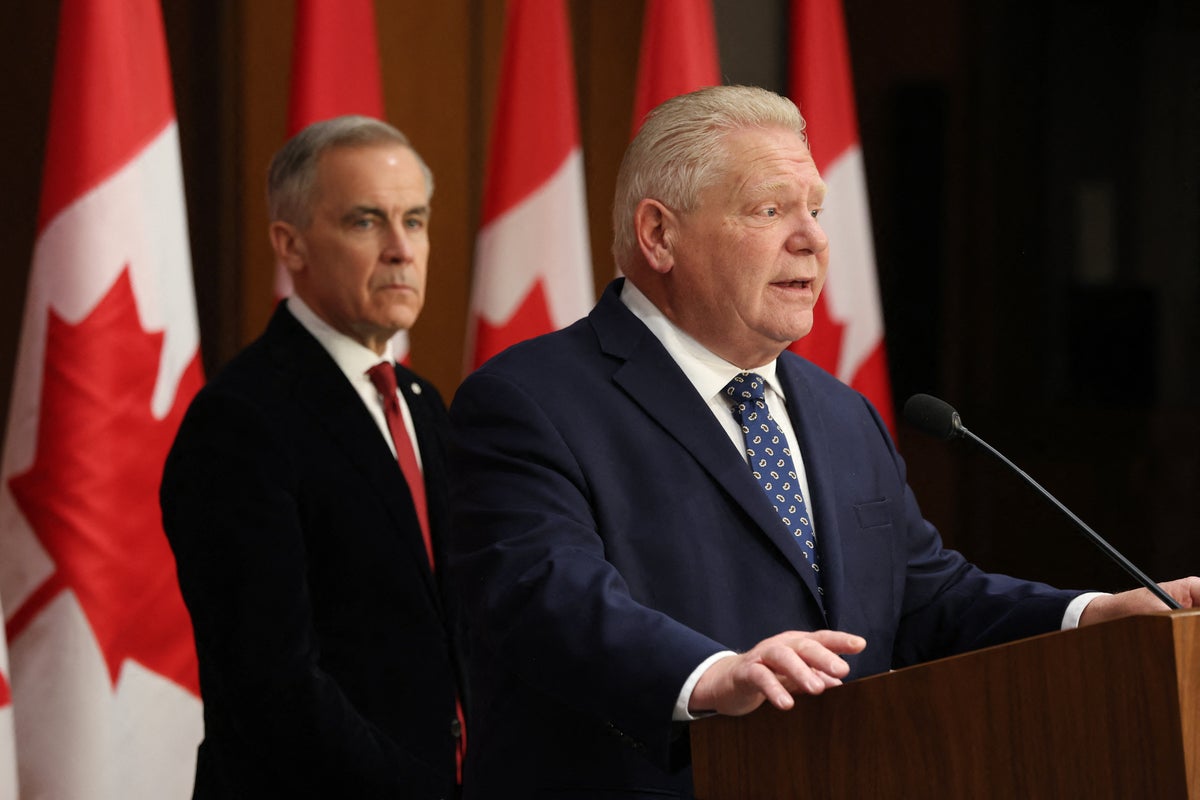
That changed on a brisk Monday morning when heavy machinery rolled onto the tarmac, breaking up the grey crust. Mayor Olivia Chow stood near the perimeter alongside federal officials, tossing ceremonial dirt with a shovel. They were not celebrating a luxury condominium tower draped in glass balconies meant for speculative investment. They were breaking ground on a 10-story mass timber building destined to become home.
Seventy-four new rent-controlled homes.
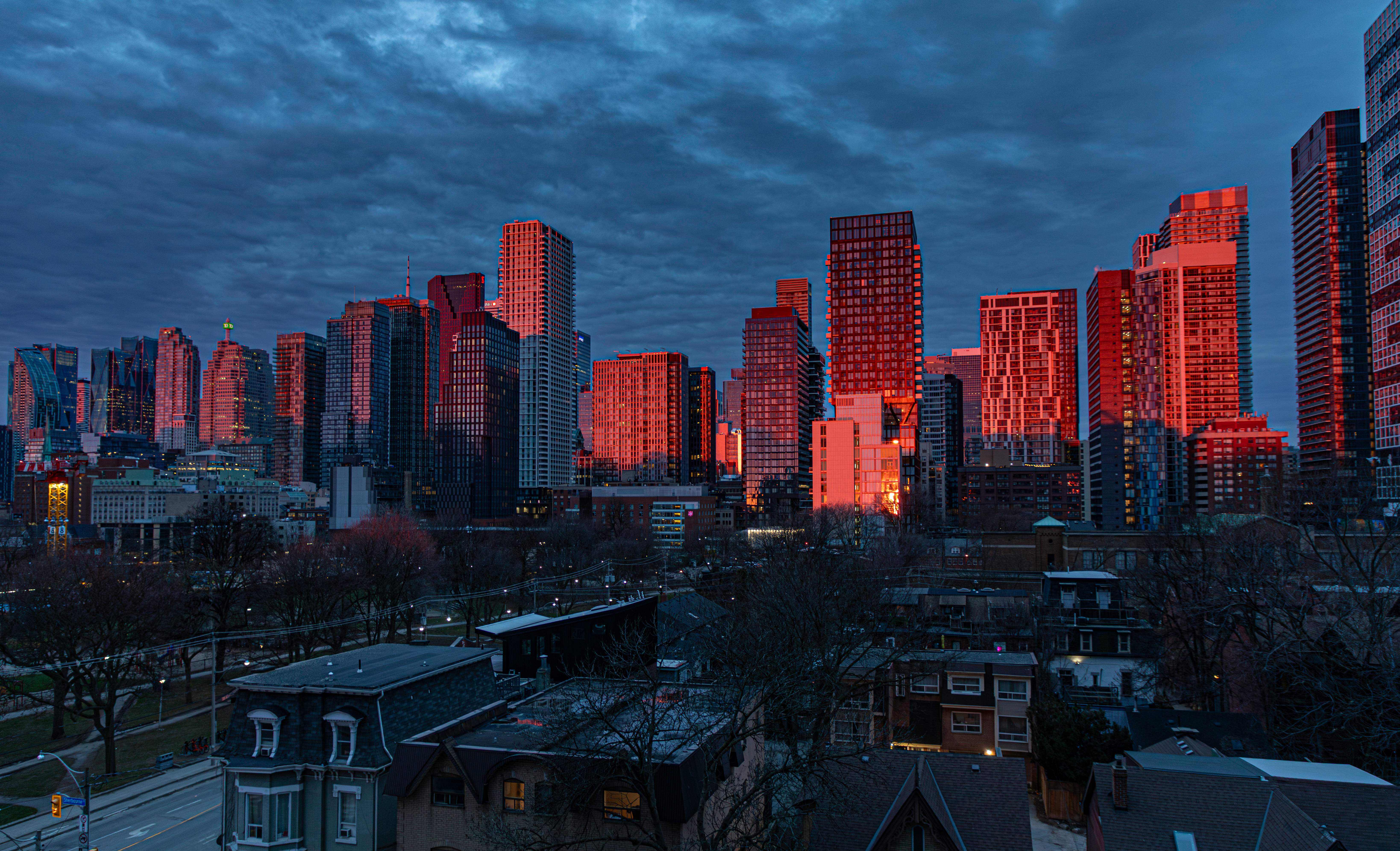
To understand why this matters, you have to look at the geometry of modern crisis. Cities like Toronto have spent decades treating housing as a stock market ticker rather than a human necessity. Glass needles shot into the sky, filled with micro-condos that priced out anyone attempting to raise children, cook a meal in an actual kitchen, or stay in the neighborhoods where they grew up. Trinity-Bellwoods became a monument to that squeeze, surrounded by skyrocketing rents that forced teachers, nurses, and line cooks farther and farther toward the periphery.
Consider what happens next at 1113 to 1125 Dundas Street West.
The concrete parking lot is morphing into a structure built from mass timber, an organic choice that sequesters carbon rather than bleeding it into the atmosphere. Geothermal loops will snake deep into the earth to heat and cool the rooms. This is not just a building; it is a structural argument against cynicism.
At least seventeen of those seventy-four units will be deeply affordable, pegged directly to tenant income. More importantly, over forty percent of the total apartments are designed with two or three bedrooms. This statistic cuts against the grain of typical urban development, which favors single-occupancy shoeboxes. These larger floor plans mean actual families—children who need a bedroom to share, parents who need a kitchen table that seats more than two—can plant roots yards away from one of the city's most beloved parks.
This site is the very first test case under Toronto’s public developer model.
For generations, the municipal government acted primarily as a referee, standing back while private developers dictated what got built and where. Under this new framework, steered by the city agency CreateTO and fueled by federal backing through the Build Canada Homes initiative, the city is taking the wheel. Municipal land is being contributed at nominal value, paired with hundreds of millions in capital funding and long-term tax exemptions. By cutting through bureaucratic red tape and setting strict affordability targets from day one, the government is proving that public land can serve the public good.
Think of a hypothetical nurse named Sarah. She works shifts at a downtown hospital, commutes an hour each way because her salary cannot keep pace with the open market, and spends her days exhausted by transit delays. Picture what a two-bedroom apartment five minutes from a park actually means for her. It means less time staring at taillights. It means more time helping a child with homework. It means stability in a city that often feels like it is spinning too fast to catch anyone who slips.
Architecture shapes behavior. When a city builds out of mass timber and low-carbon materials, it whispers to its residents that tomorrow is worth investing in. When it builds family-sized rentals on municipal asphalt, it declares that a neighborhood belongs to everyone who works in it, not just those with generational wealth.
The heavy excavators are clearing the dirt now. Dust rises over Dundas Street. Down below, beneath the future foundation, the earth waits to hold something heavier than cars. It waits to hold lives.