The headlines love a soap opera. When an Iranian journalist stands up on international television, points a finger at Islamabad, and praises New Delhi, mediarooms from Karachi to London light up like switchboards. Social media algorithms reward the theater. Commentators reach for terms like tectonic shift and diplomatic earthquake.
Everyone is staring at the shouting match while missing the structural rot underneath.
The lazy consensus in modern geopolitical commentary assumes that diplomatic posturing, televised barbs, and sudden rhetorical shifts dictate the balance of power in West Asia. It is a comforting narrative for television producers. It reduces complex, century-long economic re-alignments and hard security calculations to a high school cafeteria fight.
Let us strip away the theater and look at the ledger.
Pakistan is not losing West Asia because an Iranian pundit lost patience with its military establishment. Pakistan is losing West Asia because it spent thirty years treating the Gulf monarchies as a cash-dispensing ATM while offering nothing in return except rented security personnel and ideological baggage. Meanwhile, India stopped talking about brotherhood and started talking about supply chains, food security, sovereign wealth funds, and counter-terrorism intelligence sharing.
Geopolitics is not a poetry slam. It is a balance sheet.
The Myth of Islamic Solidarity
For decades, foreign policy discourse in Islamabad operated on a single, lazy assumption. The premise went like this: shared religious identity guarantees strategic alignment. If you wave the banner of faith, capital will flow, borders will blur, and diplomatic backing will automatically follow when times get tough.
It was always a fantasy. States do not bleed for slogans; they hedge for survival.
When the Gulf Cooperation Council began pivoting eastward over the past decade, they were not looking for moral guidance or ideological allies. They were looking for massive consumer markets, predictable energy demand, and tech-forward economic partners who could help transition their economies away from hydrocarbon dependence before the wells run dry.
Look at the actual capital flows. Abu Dhabi and Riyadh are not pouring billions into infrastructure projects across the subcontinent out of sentimentality. They are signing comprehensive economic partnership agreements, securing long-term food supply contracts, and building logistics corridors that bypass historical friction points.
When Islamabad tries to play the old card of religious brotherhood, it meets polite silence in Riyadh and cold calculation in Tehran. The Gulf states have spent the last ten years trying to de-escalate regional tensions to protect their domestic modernization projects. They have zero appetite for a client state that exports domestic political instability or expects bailouts without structural reforms.
The Tehran Paradox
The Iranian journalist's outburst that went viral captured a profound frustration, but it also exposed a deeper regional irony. Tehran looks at Pakistan not with hatred, but with a mixture of exasperation and strategic irrelevance.
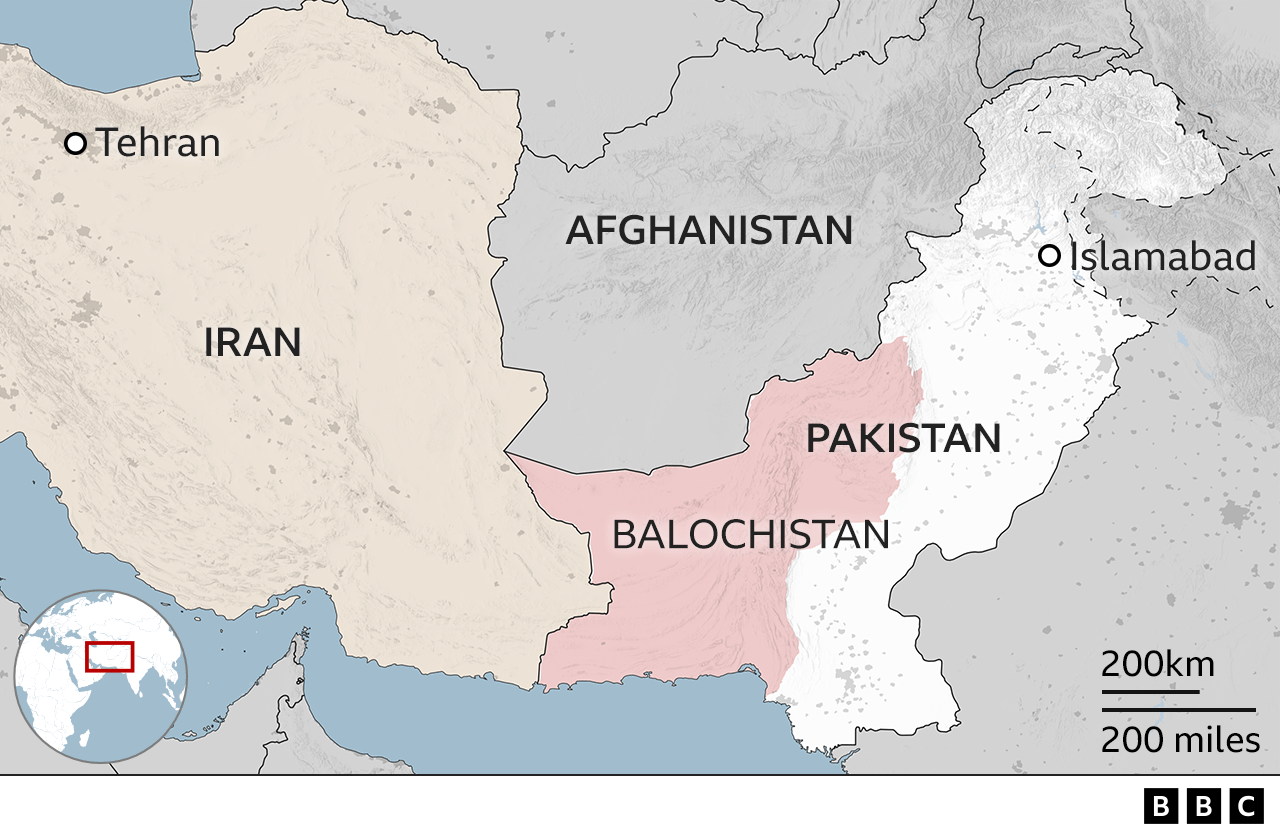
Iran shares a long, porous, and violently unstable border with Pakistan's Balochistan province. For years, cross-border militant groups have used sanctuaries on both sides to launch attacks. When tensions flare, capitals exchange diplomatic notes, but the underlying vulnerability remains unaddressed because neither state possesses the administrative depth to secure that frontier.
Yet, Tehran watches New Delhi manage a delicate, high-wire balancing act with absolute ruthlessness. India maintains active economic and strategic ties with Iran—most notably through the Chabahar port project—while simultaneously expanding defense and intelligence partnerships with Israel, the United Arab Emirates, and Saudi Arabia.
How does India pull this off while Pakistan stumbles from one diplomatic crisis to another? Simple. India brings utility to the table. It brings a market of 1.4 billion people, massive pharmaceutical manufacturing capacity, advanced IT infrastructure, and a foreign policy doctrine that refuses to pick fights in other people's neighborhood wars unless its own citizens are directly threatened.
Pakistan, by contrast, has been forced into the humiliating position of a spectator in its own backyard. When Saudi Arabia and Iran normalized diplomatic relations brokered by Beijing, Islamabad was neither at the table nor consulted. It learned about the realignment from Twitter feeds. That is not sovereignty; that is irrelevance.
The Domestic Mirror
You cannot project power abroad when your balance sheet at home is held together by emergency loans from the International Monetary Fund and bilateral lifelines from countries you spent decades lecturing.
Foreign policy is an extension of domestic capacity. When an economy relies on external debt servicing to keep the lights on, its diplomats stop negotiating and start begging. A state preoccupied with managing domestic currency devaluation, political polarization, and energy shortages cannot sustain a coherent long-term strategy in West Asia.
The ruling establishments in the Gulf know this better than anyone. They employ hundreds of thousands of Pakistani workers, and they respect the historical contributions of Pakistan's armed forces. But respect does not equal investment. Modern statecraft demands predictability, capital security, and technological competence. When an investor looks at South Asia today, the risk-reward ratio heavily tilts toward the economy building semiconductor fabs and digital public infrastructure rather than the one issuing emergency decrees to keep petrol prices stable for two more weeks.
Stop Blaming the Mirror
When politicians and pundits in Islamabad scream about media bias, hostile journalists, or international conspiracies every time a regional partner cools relations, they are committing the ultimate strategic error: they are shooting the messenger while the fortress burns down.
The problem is not that Iranian journalists are ungrateful. The problem is that Pakistan’s foreign policy framework is thirty years out of date. It relies on emotional blackmail in a transactional world. It expects free passes based on past glory while offering zero modern economic leverage.
Until the establishment in Islamabad realizes that geopolitics follows capital, technology, and internal stability—and not rhetorical posturing or religious diplomacy—every televised critique from Tehran, Riyadh, or Dubai will sting. And every time, they will wonder why the world moved on while they were still arguing over the script.


