The passport lives in a bottom drawer, buried beneath old tax returns and faded concert tickets. Until it doesn't. Until the air outside tastes faintly of smoke you cannot see, and the phone screen illuminates a bedroom at three in the morning with a notification that turns the floorboards to glass.
Across the globe, distant battlefields do not stay distant. They bleed into living rooms in Kowloon and kitchens in the New Territories. They arrive in the quiet panic of a browser tab left open, searching for evacuation flights, border crossings, and emergency consular emails.
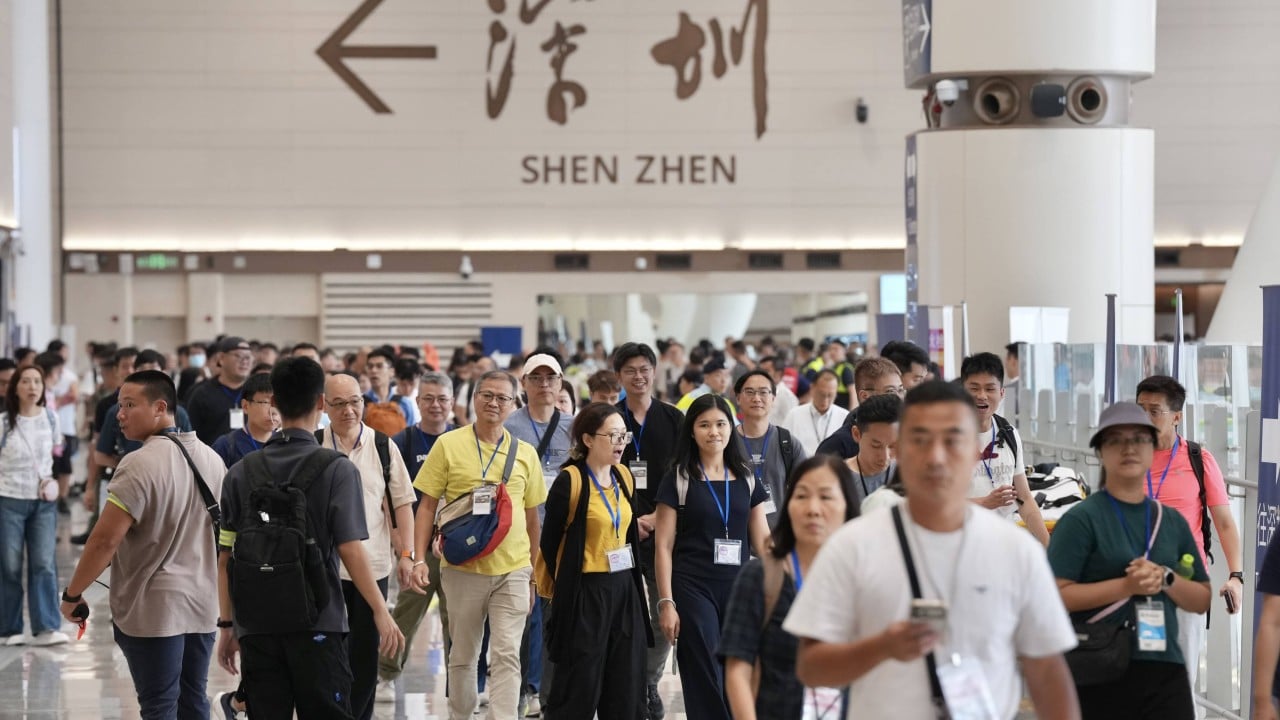
Numbers rarely tell the whole story, but they hint at the scale of an unravelling calm. Recent data reveals a startling thirty-five percent surge in Hongkongers seeking overseas assistance, directly triggered by the sprawling conflict in the Middle East. Behind that dry statistical spike are individuals standing in narrow hallways, holding a half-packed suitcase, trying to calculate whether it is safer to stay put or run toward an airport that might already be closing its gates.
We like to think of safety as a permanent address. We believe that concrete walls, efficient public transit, and a stable banking system are armor against the chaos of the wider world. But mobility is a fragile architecture. When regional stability shatters in places like Lebanon, Israel, or the broader Gulf, the shockwaves travel along invisible economic and familial fibers. Hong Kong is a city of global citizens, of expats, dual nationals, and wanderers with roots tangled across multiple continents. When the Middle East burns, the smoke drifts into the consciousness of families who have loved ones stationed, studying, or working abroad.
Consider a hypothetical scenario, grounded entirely in the daily logs of consular offices. A young financial analyst from Mid-Levels is on a secondment in Beirut. To her, the city is morning coffee at a corner bakery overlooking the Mediterranean, weekend markets, and the steady hum of a vibrant expat community. Then, the sky changes. The rhythm of the city fractures.
Her parents back in Hong Kong watch the evening news anchor speak in measured tones about escalating airstrikes. The distance ceases to be geographical and becomes psychological torture. They are no longer just watching a foreign war; they are staring at a digital map, frantically dialing hotlines, and learning the bitter acronyms of emergency repatriation protocols. This is what a thirty-five percent increase looks like. It is thousands of iterations of helpless parents, anxious spouses, and stranded workers dialing numbers they pray they will never need.
The Weight of the Hotline
Governments and immigration departments publish guidelines with clinical detachment. They advise citizens to register their travel, keep documents dry, and monitor local advisories. Yet, human beings do not run on bureaucratic algorithms.
When fear takes root, logic stutters. People call emergency assistance lines not merely for logistical instructions, but for a voice. They want assurance that someone knows their child is trapped in a hotel lobby with flickering lights. They want to know that the modern world has a safety net underneath its frayed edges.
The spike in requests highlights a sobering truth about our hyper-connected era. We can cross oceans in fourteen hours, but we can just as easily find ourselves stranded in the blind spots of geopolitics. When a war erupts, embassies are flooded, airspace closes without warning, and commercial carriers vanish from flight tracking apps. The sudden realization that nobody is coming to immediately pull you out is a cold realization.
For the people of Hong Kong—a population intimately acquainted with the anxieties of political shifts and geographic displacement—this vulnerability strikes a very specific nerve. History has taught this city to keep a go-bag ready. Generational memories run deep here. The instinct to secure documentation, convert currency, and map out exit routes is baked into the cultural DNA, passed down through whispers and old photographs.
The Ripple Effect of Distance
Why does a conflict in the Middle East cause a surge in distress calls from a city on the southern coast of China? The answer lies in the web of modern labor and global commerce. Hong Kong residents are actors on an international stage. They manage shipping lanes in Dubai, teach English in regional hubs, consult on infrastructure projects, and build lives in places where cultures intersect.
When those regions catch fire, the diaspora feels the heat instantly.
The logistics of rescue are harrowing. It is not like booking an express train ticket. It involves navigating closed borders, securing transit visas through hostile or overwhelmed neighboring countries, and competing for seats on the last functioning planes out of danger zones. Consular staff work through sleepless nights, balancing endless queues of panicked inquiries. The thirty-five percent rise in requests is a measure of strain—not just on government resources, but on the human spirit.
We watch the news ticker scroll past while eating dinner. We compartmentalize. We tell ourselves that the violence is contained, localized, an aberration on a map far away. But the sudden surge in emergency assistance requests shatters that comforting illusion. It reminds us that humanity is stitched together by fragile threads. When one corner of the globe is pulled too tight, the tension is felt everywhere else.
The passport remains in the drawer. For now, the room is quiet. But the night is long, the world is volatile, and somewhere out there, a phone is ringing in an empty office, waiting for someone to answer the call from the dark.