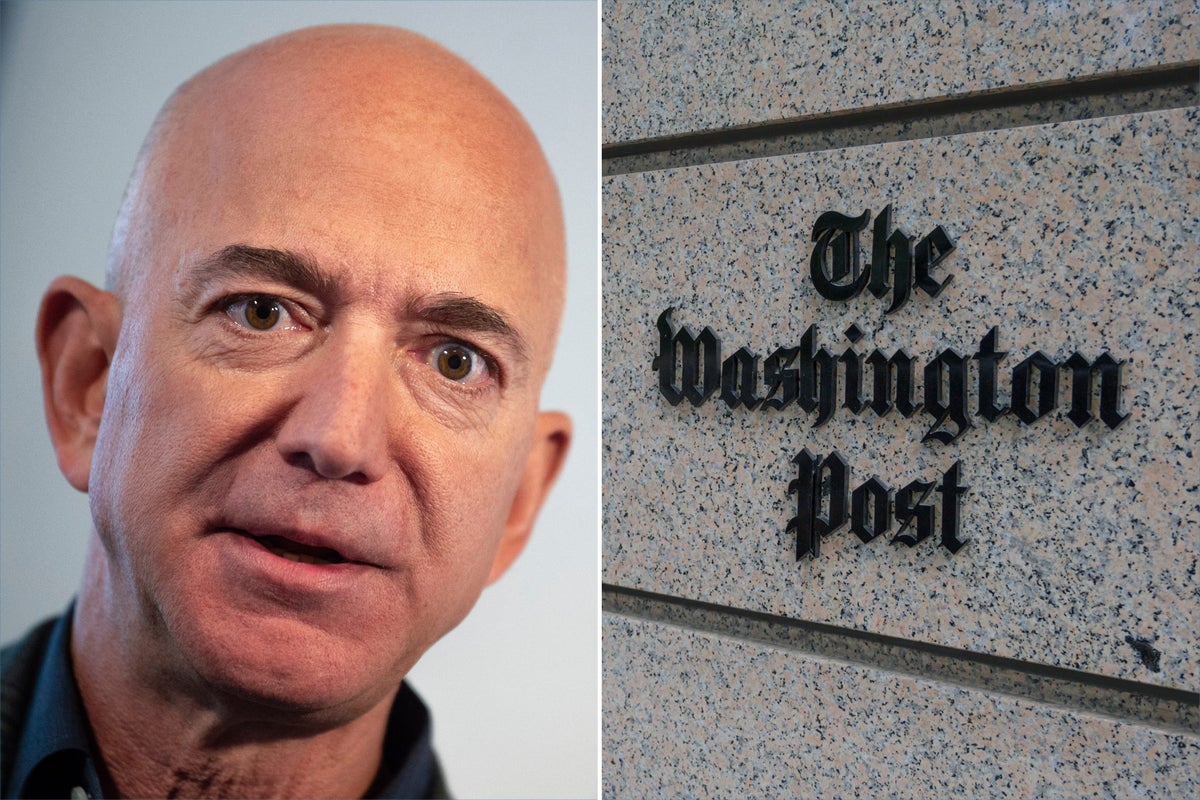
The collective freak-out over a Washington Post subscriber suing the publication for alleged "surveillance pricing" is a masterclass in economic illiteracy.
A consumer advocacy group-backed lawsuit claims the media giant uses algorithmic trickery to overcharge loyal readers based on behavioral tracking. The internet is flooded with predictable, pearl-clutching takes about corporate greed, the death of privacy, and the dystopian future of digital commerce. In other updates, read about: The SpaceX IPO Illusion and Why Public Markets Will Ruin Mars.
It is a comforting narrative for people who do not understand how modern marketplaces function.
The lawsuit treats personalized, dynamic pricing like a newly invented cyber-crime. In reality, it is a basic, highly efficient economic mechanism that actually subsidizes the very people complaining about it. The outrage machine wants you to believe you are being gouged. The truth is much simpler: you are just mad that the era of the indiscriminate, one-size-fits-all subsidy is dead. The Wall Street Journal has also covered this fascinating subject in extensive detail.
The Flawed Premise of the "Surveillance Pricing" Panic
The core argument of the anti-pricing lobby rests on a fundamental misunderstanding of value.
Critics argue that a digital product has a fixed cost of production, so it should have a fixed price tag. They look at a digital subscription and think, "It costs nothing to copy this file to my device, so charging me $15 while charging someone else $5 is theft."
This is a childish way to view the world.
Price has never been a reflection of cost. Price is a reflection of value and willingness to pay.
When you buy an airline ticket three days before a flight, you pay triple what the vacationer next to you paid three months ago. When you buy a beer at a baseball stadium, you pay a 400% markup compared to the grocery store down the street. We do not call this "surveillance pricing." We call it dynamic pricing, yield management, and market segmentation.
The introduction of algorithms and first-party data does not change the ethics of the transaction; it merely sharpens the accuracy.
What People Also Ask (And Why They Ask It Wrong)
- Is dynamic pricing illegal? No. Unless it discriminates based on a protected class like race or religion, charging different people different prices for the same service is entirely legal. It is the bedrock of the travel, hospitality, and entertainment sectors.
- Does behavioral tracking gouge loyal customers? It can, if a company is short-sighted. But more often, it identifies high-intent users who derive massive utility from the product, allowing the company to lower the barrier to entry for casual users who otherwise would not buy in.
When you sue a media outlet for using data to optimize subscription tiers, you are essentially demanding that the business blindfold itself. You are arguing that a company shouldn't use the tools at its disposal to stay solvent in an era where ad revenue has completely collapsed.
The Math Behind the Margin: Why Static Pricing Kills Businesses
Let us look at the mechanics of subscription economics. I have spent years analyzing digital monetization frameworks, and the math is unforgiving.
If a publication sets a rigid, flat subscription rate of $10 a month, two bad things happen simultaneously:
- Demand Destruction: You price out a massive cohort of younger, less affluent readers who might happily pay $3 a month.
- Left Money on the Table: You undercharge corporate power-users who extract thousands of dollars of value from the reporting and would gladly pay $50 a month.
A flat pricing model is a blunt instrument. It forces a business to choose between scale and profitability.
By utilizing sophisticated algorithmic pricing, a platform can create a continuum of price points. Imagine a scenario where a system analyzes signals like device type, referral path, and geographic region. It isn't doing this to "rob" you; it is doing this to calculate your price elasticity.
[Low Elasticity / High Value User] ----> Assessed Higher Price ----> Subsidizes Platform
[High Elasticity / Low Value User] ----> Assessed Lower Price  ----> Expands Audience Base
If the system determines you are an executive reading on a top-tier corporate network at 9:00 AM, your willingness to pay is high. You get charged the standard rate. If the system sees a student browsing on an older mobile device via a social media referral at 11:00 PM, it drops the price to a rock-bottom acquisition rate.
The high-value user is quite literally subsidizing the existence of the product for the low-value user. If you force the company to charge everyone the exact same amount, the price will inevitably settle at a point that excludes the vulnerable while starving the creator of necessary capital.
The Dark Side of Contentious Pricing Engines
To be fair, this contrarian approach is not without its operational hazards. There is a fine line between optimization and brand suicide.
The downside of aggressive data-driven pricing is the erosion of consumer trust. Human beings are inherently loss-averse. We do not mind paying $10 for a coffee if everyone else pays $10. We mind deeply if we find out the person next to us paid $4 for the same latte because they used a different app.
When a company hides its pricing logic entirely inside a black-box algorithm, it risks a severe public relations backlash. The moment a user feels manipulated rather than optimized, the lifetime value of that customer drops to zero. They churn, and they never come back.
But the solution to this trust deficit is not to file frivolous lawsuits or retrogress to the economic stone age of flat rates. The solution is explicit tiering and value justification.
Stop Complaining and Game the System
If you are tired of being on the higher end of the optimization curve, stop acting like a passive victim. The same data systems that corporations use to analyze you can be easily manipulated by an observant consumer.
- Sanitize Your Digital Footprint: If you browse for subscriptions or high-ticket items on a brand-new machine using a premium corporate internet connection, you are signaling high purchasing power. Use clean profiles, clear your cookies, and test options across different devices.
- Exploit the Intent Signals: Algorithms flag abandonment as a sign of high price sensitivity. Cart abandonment and registration abandonment are your greatest levers. Let the account sit idle. Wait for the automated win-back sequence to trigger the lower tier.
- Audit Your Utility: If you are genuinely upset that a publication charges you more than a casual reader, ask yourself why you care. If you read the site every single day for work, the value you extract far exceeds the subscription price. If you do not extract that value, cancel it.
The Washington Post lawsuit will likely flame out or settle for a meaningless sum that benefits nobody but the trial lawyers. The underlying technology is not going anywhere. Algorithms will continue to match price to value with surgical precision.
You can either spend your time crying about the unfairness of basic supply and demand dynamics, or you can learn how the gears turn and use them to your advantage. Choose wisely.