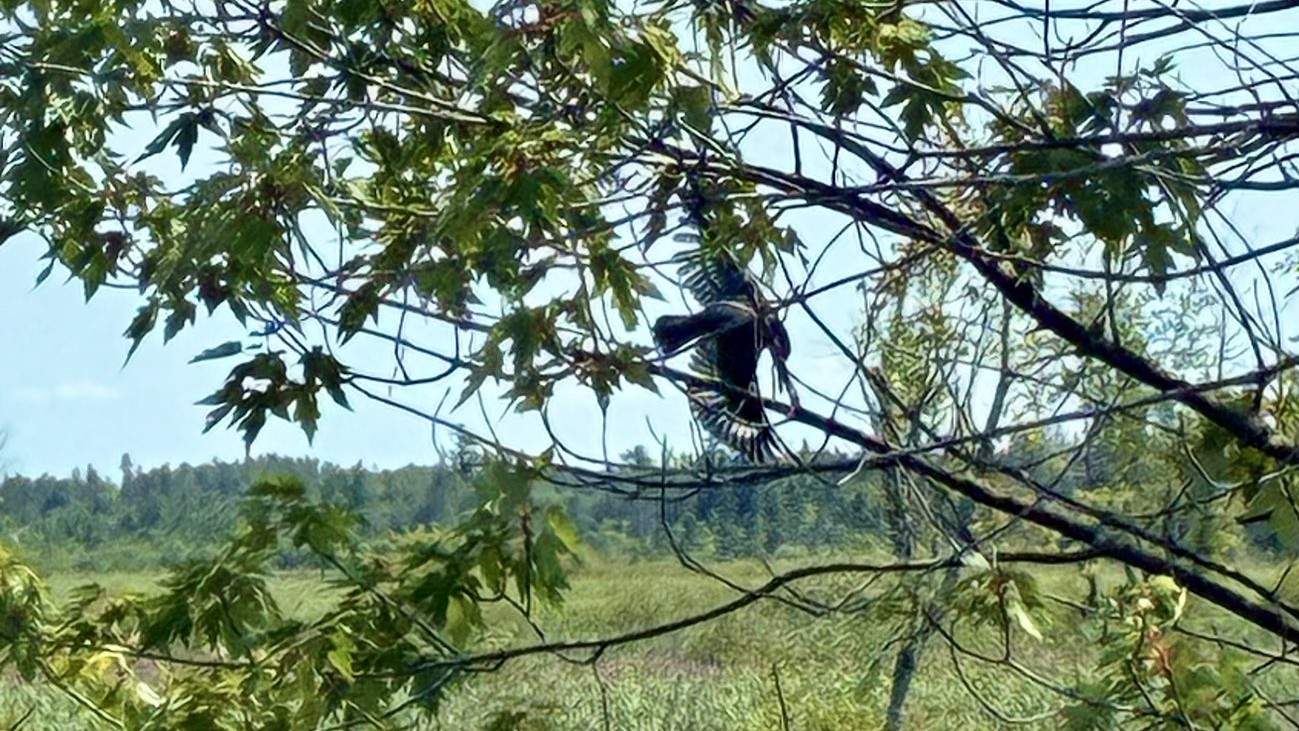
Animals get into bizarre predicaments, but few rescues require pulling out a watercraft just for a single bird. First responders in Ottawa faced that exact scenario when a routine afternoon call turned into a technical extraction involving a wild animal.
Around 2 p.m., a concerned local spotted a distressed animal near Vances Side Road in Dunrobin. A belted kingfisher was trapped high in a tree branch overhanging a waterway, completely bound by discarded fishing line. Instead of ignoring it or assuming nature would take its course, the resident called for help. That single phone call set off a chain of events that highlights how urban and rural emergency services handle wildlife conflicts.
The Technical Reality of Animal Rescues
Most people think firefighters only handle structural blazes or vehicle collisions. Station 22's water rescue team proved otherwise. Because the bird hung directly over a body of water, standard ladder trucks weren't the immediate answer.
Crews deployed an inflatable rescue craft to get underneath the target tree. From there, technicians used a pole saw to carefully manipulate the branches. Precision is everything in these moments. One wrong chop with a saw could drop the bird deeper into the water or cause further injury.
Once they lowered the branch enough to reach the animal, they carefully sliced away the monofilament line. Monofilament is notoriously tough, practically invisible, and a silent killer for local wildlife. The bird was wrapped securely in a blanket, placed inside a protective box, and handed back to the citizen who made the initial report. That citizen had already coordinated with a specialized wildlife care center for immediate medical assessment.
Why Discarded Fishing Gear Destroys Local Ecosystems
This incident isn't an isolated fluke. Discarded fishing line causes quiet devastation across waterways every single day.
- Invisible traps: Clear line vanishes against bark and water, making it impossible for birds to spot during flight or diving.
- Restriction injuries: As animals struggle, filament cuts deep into skin, wings, and bone, restricting circulation.
- Secondary entanglement: Birds often bring long strands back to nests, accidentally trapping their own hatchlings.
Anglers leave behind old line, broken hooks, and tackle packaging without thinking about the downstream effects. A belted kingfisher relies entirely on its speed and sharp eyesight to plunge-dive for fish. Tangled wings mean it cannot hunt, defend itself, or escape predators.
When First Responders Double As Animal Saviors
Ottawa Fire Services deals with unusual animal calls more often than the public realizes. First responders have rescued baby birds trapped by nesting mishaps, used heavy aerial ladders for high-reach extractions, and even gently pulled a large grey owl out of a truck's front grille.
When you find wildlife in immediate peril, DIY rescues rarely end well. Stressed birds panic, peck, or suffer fatal shock. Professional crews carry the right gear, from specialized cutting tools to transport boxes, and maintain direct links to rehabilitation networks.
If you spot wildlife entangled in trash, take action like the Dunrobin resident did. Note the location, call local authorities, and line up professional care before trying to intervene yourself.


