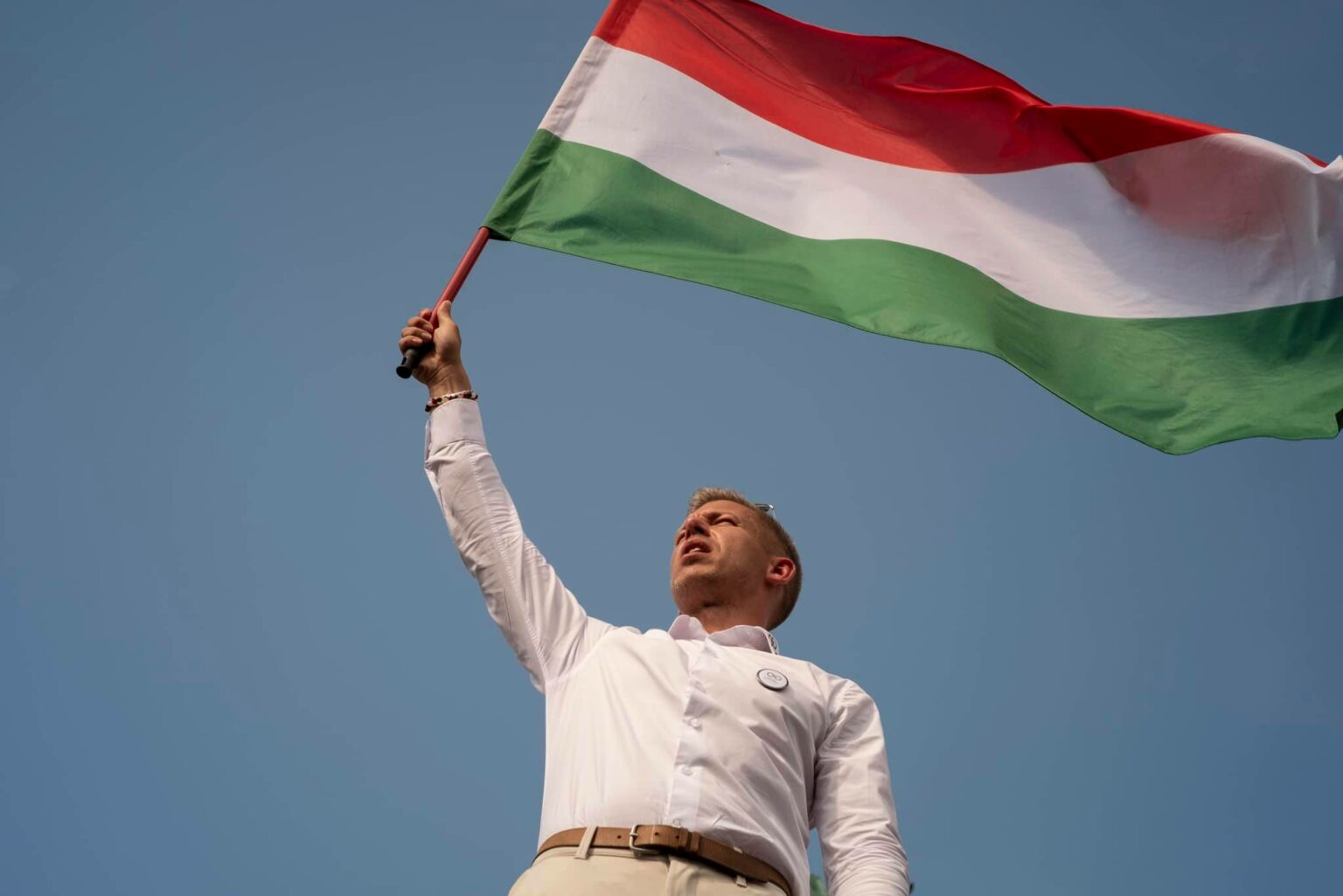
The impossible finally happened in Budapest. Viktor Orban, the man who spent sixteen years turning Hungary into a fortress of "illiberal democracy," just watched his walls crumble. On April 12, 2026, the longest-serving leader in the European Union stood before a stunned crowd and conceded defeat. It wasn't a narrow miss or a technicality. It was a crushing, unambiguous rejection by a nation that had seen enough.
Péter Magyar and his Tisza party didn't just win; they secured a projected two-thirds supermajority. For a country that many experts had written off as a "lost cause" for democracy, this is more than an election result. It's a political resurrection. If you've been watching Hungary from the outside, you know Orban wasn't just a prime minister. He was the global poster child for the "new right," a hero to the MAGA movement in the U.S., and Vladimir Putin’s closest ally within the EU. That era is over.
The Man Who Broke the Orban System
You might be wondering who Peter Magyar actually is. He didn't come from the traditional, fractured liberal opposition that Orban has spent years eating for breakfast. Honestly, that’s why he won. Magyar is a former insider—a lawyer who was married to Orban’s former Justice Minister, Judit Varga. He knew exactly how the machine worked because he helped oil the gears.
When he broke ranks in 2024, he didn't just leave; he started torching the place on his way out. He released secret recordings and spoke openly about the corruption he’d seen. But more importantly, he spoke a language that Orban's base understood. He didn't sound like a Brussels bureaucrat. He sounded like a disappointed patriot.
His campaign was a relentless sprint across the country. While Orban relied on state-controlled media and massive billboards, Magyar was in small towns, holding six rallies a day. He focused on the stuff that actually makes life hard in Hungary: the collapsing healthcare system, the crumbling schools, and the fact that young people are fleeing the country in droves. He made the election about competence, not just ideology.
Why the Polls Didn't See This Coming
Most observers expected a fight, but few predicted a 52% to 38% blowout with nearly 80% turnout. Hungarian democracy isn't just alive; it's louder than it has been since the fall of communism in 1989.
The strategy was simple: Magyar framed the vote as a choice between "East or West." Under Orban, Hungary had become a Russian energy dependency and a Chinese investment hub. Magyar promised a return to the "European mainstream." He tapped into a deep, quiet exhaustion among Hungarians who were tired of being the EU's "problem child."
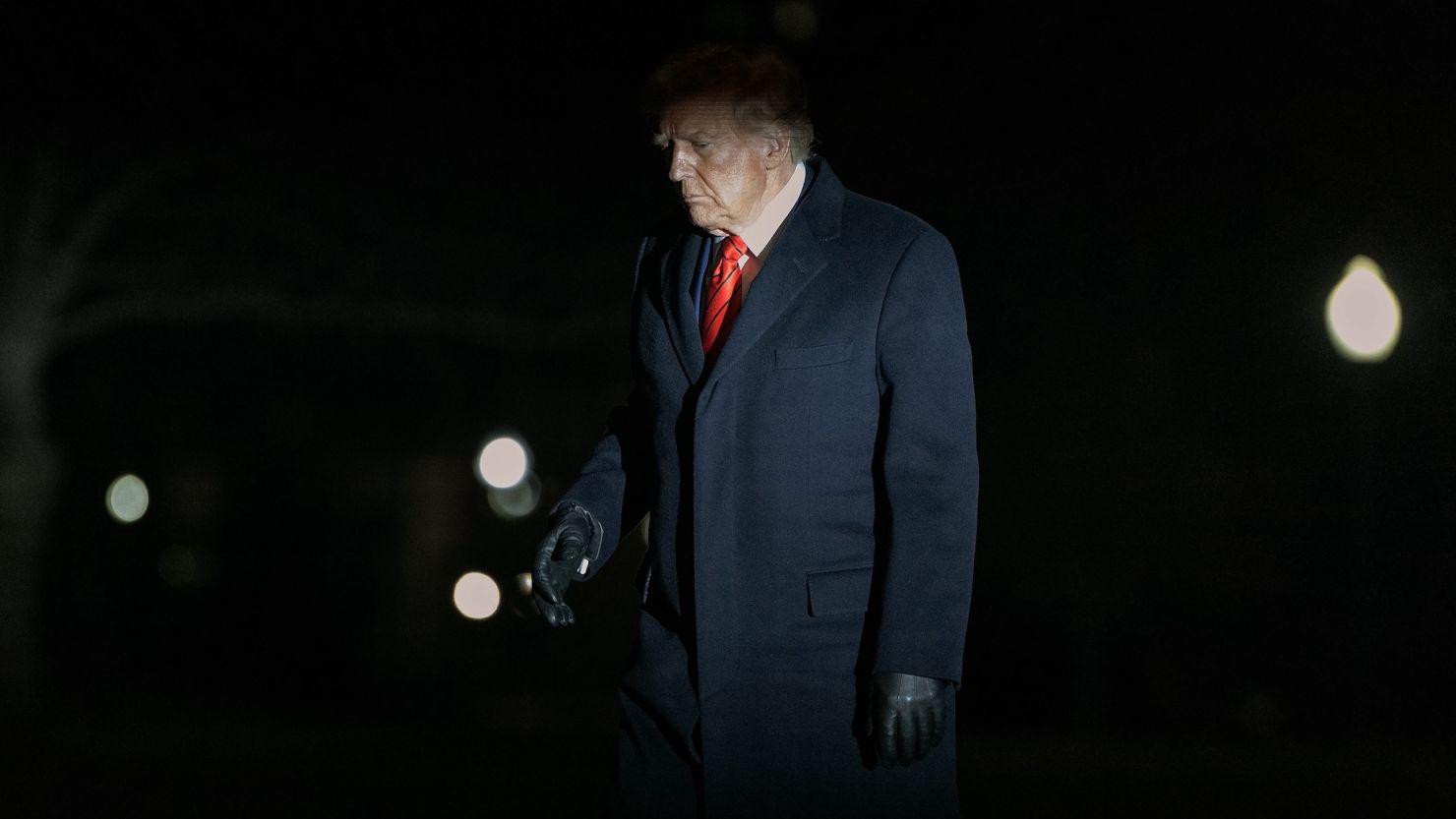
Orban’s defeat is a massive blow to the global populist movement. Just last week, U.S. Vice President JD Vance was in Budapest campaigning for him. Donald Trump has repeatedly called Orban a "great leader." To see their champion fall to a center-right challenger who actually wants to strengthen the EU is a nightmare scenario for the MAGA playbook.
What Happens to Hungary Tomorrow
The transition won't be pretty. Orban has spent over a decade embedding his loyalists into every corner of the state—the courts, the media, the universities, and the central bank. Magyar now has the parliamentary seats to change the constitution, but he’s inheriting a "deep state" designed specifically to block anyone who isn't Fidesz.
Magyar’s first order of business is likely to be joining the European Public Prosecutor’s Office. That’s a move Orban fought for years because it allows the EU to investigate the misuse of its funds. By doing this, Magyar can unlock billions of euros in frozen EU aid that Hungary desperately needs.
You should expect a rapid shift in foreign policy. The "veto era" is likely over. Hungary will stop blocking aid to Ukraine and will probably align much more closely with NATO. For the rest of the EU, this feels like a massive weight has been lifted. Ursula von der Leyen, the European Commission President, didn't hide her relief, stating that "Europe's heart is beating stronger in Hungary tonight."
The Real Lesson for the Rest of the World
Don't buy into the idea that once a country slides toward authoritarianism, there's no way back. Hungary proves that a motivated electorate can still punch through a rigged system if the opposition provides a credible, patriotic alternative.
The "Orban system" was built on the idea that the opposition was weak, divided, and "foreign-funded." Magyar blew that narrative apart by being a conservative who actually cares about the rule of law. He didn't try to out-liberal Orban; he out-governed him.
If you’re looking for what happens next, keep an eye on how quickly Magyar can dismantle the oligarchic networks that flourished under Fidesz. It's one thing to win an election; it's another to scrub sixteen years of systemic cronyism out of the national fabric.
Keep your focus on the upcoming formation of the new cabinet. Magyar has a massive mandate, but the pressure to deliver immediate improvements to the economy and healthcare will be intense. The honeymoon will be short, and the world is watching to see if a former insider can truly be the reformer Hungary needs.