Diplomatic appeals rarely stop artillery shells. When former German Chancellor Olaf Scholz headed to Kyiv and looked squarely at the reality of European security, his demand for Vladimir Putin to end the conflict felt less like a turning point and more like a ritual. You can't talk sense into an autocrat who has staked his entire political survival on endless escalation.
Let's look at what actually happens when leaders fly into active war zones with checkbooks and microphones. Pledging hundreds of millions in military aid matters, sure. But speeches calling the invasion senseless miss the grim calculation happening inside the Kremlin. Putin doesn't view the war as a mistake. He views it as an existential necessity for his regime.
The Trap of Western Rhetoric
We've spent years watching Western leaders issue stern warnings, draw red lines, and demand troop withdrawals. Every single time, the response from Moscow is predictable: a barrage of new missile strikes and a doubling down on territorial grabs. Scholz's strong words in Kyiv played well on evening news broadcasts across Europe, but they didn't alter a single frontline trench in the Donbas.
Words without immediate, overwhelming enforcement mechanism are just noise to the Russian military command. Ukraine doesn't need another European leader expressing deep concern in front of a monument. They need air defense systems that arrive before the sirens start wailing, and they need the political permission to use long-range weapons without bureaucratic hand-wringing in Berlin or Washington.
Why Berlin's Approach Stumbled
Germany has walked a tightrope since the tanks first rolled across the border. On one hand, Berlin became Europe's second-biggest provider of military support. On the other hand, domestic political anxiety, fear of escalation, and historical hesitance kept the German government from supplying the exact systems Ukraine needed when they mattered most.
Remember the endless months of hand-wringing over Leopard tanks? By the time the political consensus finally shifted, precious weeks had vanished, giving Russian forces time to dig massive defensive networks. That's the real story behind European diplomacy. It's always a step behind the reality of modern attrition warfare.
What Actually Moves the Needle
If you want to understand how this conflict moves forward, stop tracking press conferences and start tracking industrial production and supply chains.
- Artillery Shell Production: Europe's defense factories are scaling up, but they're still racing to match North Korea's and Iran's shipments to Russia.
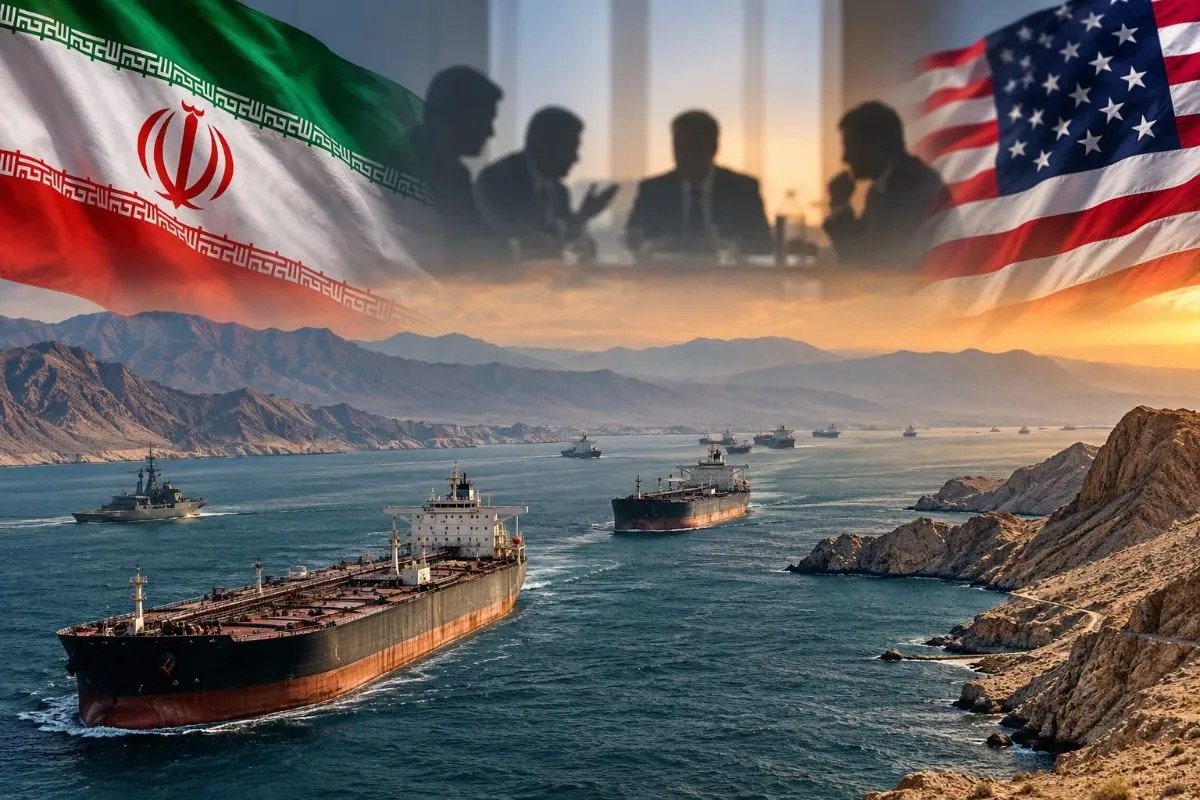
- Energy Sanctions: Ghost fleets of tankers continue to bypass price caps, feeding billions back into the Russian war chest.
- Technology Imports: Dual-use microchips from global markets still find their way into Russian guidance systems via third-party intermediaries.
Until these economic leakages are plugged completely, speeches in Kyiv won't shift the balance of power. Putin calculates time as an ally. He believes Western political cycles will fracture long before Russian society breaks under the weight of sanctions.
Facing the Hard Truth
The reality on the ground is brutally simple. No amount of rhetorical condemnation will convince a dictator to give up territory he believes is his by right of conquest. Leaders like Scholz have to decide whether they are in this fight to manage a stalemate or to secure a decisive Ukrainian victory. Right now, European policy looks dangerously stuck in the middle, managing the bleeding rather than stopping the wound.
Stop expecting diplomatic breakthroughs from phone calls or sudden visits. This war will end only when the cost of continuing it drastically exceeds the cost of defeat for Moscow, and we aren't there yet.
How Olaf Scholz's diplomatic outreach to Russia reshaped European politics
This video provides an in-depth look at the controversies and geopolitical reactions surrounding direct talks between German leadership and the Kremlin.