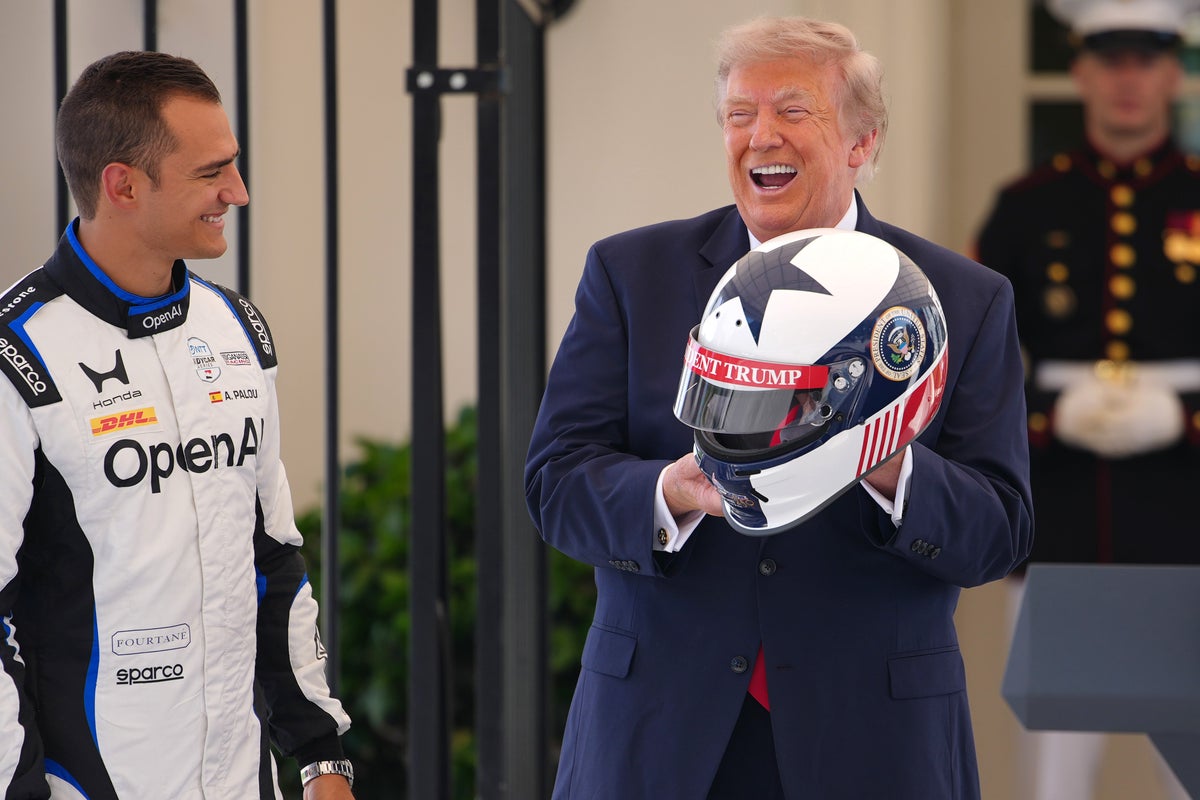
Oslo was draped in red, white, and blue, screaming itself hoarse for a team that just crashed out of the world’s biggest tournament.
The media called it a "heroes' welcome." They painted a picture of a grateful nation hugging its valiant warriors, proud of how far they fought. Erling Haaland smiled, waved, and signed autographs. The narrative was set: Norway fell short, but the future is bright, and the bond between the team and the fans is unbreakable.
What absolute nonsense.
This isn't a heartwarming story of national unity. It is a textbook symptom of a losing culture. Celebrating a premature exit from a major tournament—especially when you possess the most lethal striker on the planet—is not "healthy support." It is the institutionalization of mediocrity.
We need to stop pretending that participation trophies matter at the elite level of international football. Norway did not win. They did not even overachieve. They went home early, and the fact that thousands of people gathered at the airport to throw them a parade is exactly why this golden generation is on track to achieve absolutely nothing.
The Myth of the "Valiant Exit"
Let’s dismantle the lazy consensus that Norway’s campaign was some sort of noble failure.
For years, football pundits have excused Norway’s lack of international silverware by pointing to their defense, their transition phases, or the sheer bad luck of qualification groupings. When the team fell short again, the narrative immediately shifted to "building for the future" and "gaining valuable tournament experience."
Let's look at the cold, hard numbers.
Norway National Team Performance Metric (Major Tournaments)
+-------------------+-----------------------+-------------------------+
| Era               | Qualification Rate    | Key Outlets/Talent      |
+-------------------+-----------------------+-------------------------+
| 1990s             | High (Regulars)       | Disciplined Team Unit   |
| Current (2020s)   | Abysmal (Rarely Qual) | World-Class Individuals |
+-------------------+-----------------------+-------------------------+
Norway currently boasts the most devastating forward in world football in Erling Haaland, alongside world-class creative engine Martin Ødegaard. This is not a rebuilding squad of plucky underdogs. This is a roster featuring elite, Champions League-winning talent.
When you have the structural advantages of top-tier individual stars, failing to progress past the group stages or failing to qualify entirely is a catastrophic sporting failure. To treat it as an occasion for a party at the airport is an insult to the competitive drive of the players themselves.
Imagine a scenario where the French public gathered to throw a parade for Les Bleus after a group-stage exit. They would be laughed out of Europe. The French media would be calling for the manager’s head, and the players would be hiding behind dark sunglasses, furious at their own performance. That is the standard of a winning football nation. Norway's cozy, comfortable acceptance of defeat is a self-limiting belief system masquerading as patriotism.
The Haaland Paradox: Why Individual Brilliance Breeds Collective Rot
There is a fundamental misunderstanding in how modern football fans view superstar talent in international teams.
The common assumption is simple: Add a superstar to a mediocre team, and the team gets better.
In reality, the opposite often happens. The presence of a generational talent like Haaland creates a tactical and psychological crutch that cripples the rest of the squad.
- The Tactical Black Hole: Every attacking sequence becomes automated. Players stop looking for space or executing creative overloads; they simply look up and try to feed Haaland. If the opposition double-marks him or cuts off the passing lanes, the entire offensive system collapses.
- The Responsibility Vacuum: When things go wrong, the supporting cast defers. Instead of seizing the initiative, midfielders and wingers play passive, low-risk passes, waiting for the superstar to produce a moment of individual magic to save them.
- The Culture of Excuses: "We did our best, but we don't have the squad depth of England or Spain." This excuse is constantly trotted out. But Croatia, with a population smaller than Norway's, consistently reaches World Cup semi-finals and finals. They do it because their system is built on collective responsibility, not superstar worship.
Having watched federations throw millions of dollars at high-profile consultants to "unlock" their star players, the result is almost always the same. If the surrounding infrastructure is comfortable with losing, the star player eventually burns out, grows frustrated, and the team underperforms.
Dismantling the "People Also Ask" Delusions
If you search for Norway's football trajectory online, you find a series of questions built on entirely flawed premises. It is time to answer them with some brutal honesty.
"When will Norway win a major trophy?"
Never, under the current cultural framework.
Winning tournaments requires an elite, ruthless mentality. It requires a sports science and coaching infrastructure that treats anything less than a semi-final appearance as an objective failure. As long as the Norwegian Football Federation (NFF) and the public are satisfied with "showing promise" and receiving warm welcomes after getting knocked out, the team will continue to watch major finals from the comfort of their yachts.
"Is Haaland wasted on the Norway national team?"
Yes, but not for the reasons people think.
People assume he is wasted because his teammates aren't good enough to pass him the ball. The truth is he is wasted because the culture surrounding the national team is soft. Haaland thrives in the high-pressure, hyper-demanding environment of Pep Guardiola's Manchester City, where a single poor performance gets you dropped. Coming back to the national team setup is a psychological holiday. He enters a zone where pressure is non-existent, and failure is met with applause.
"How can Norway fix their national team defense?"
By stopping the obsession with finding a quick tactical fix and addressing the systemic development issues.
Norway produces excellent technical midfielders and elite physical strikers, but their youth academies consistently fail to develop proactive, aggressive, modern central defenders. This is a structural failure of coaching education in the country, prioritizing comfortable possession play over defensive resilience and aerial dominance in both boxes.
The Dangerous Allure of "Good Vibes"
Sport is not a therapeutic exercise. It is a zero-sum game of dominance, execution, and survival.
The adoration showered upon the Norwegian team in Oslo is a form of toxic positivity. It shields the federation from scrutiny. It keeps underperforming managers in their jobs. It allows players who collected massive weekly wages at their club teams to escape the harsh reality of their international shortcomings.
If Norway ever wants to see Haaland lifting a trophy in their national colors, the love affair with honorable defeats has to end today.
Stop cheering for exits.
Stop showing up at airports to wave flags for a team that finished third in their group.
Demand accountability from the coaching staff, demand defensive discipline from the backline, and treat international football with the cutthroat seriousness it demands.
The next time this team flies back to Oslo after a premature tournament exit, the airport should be dead silent.