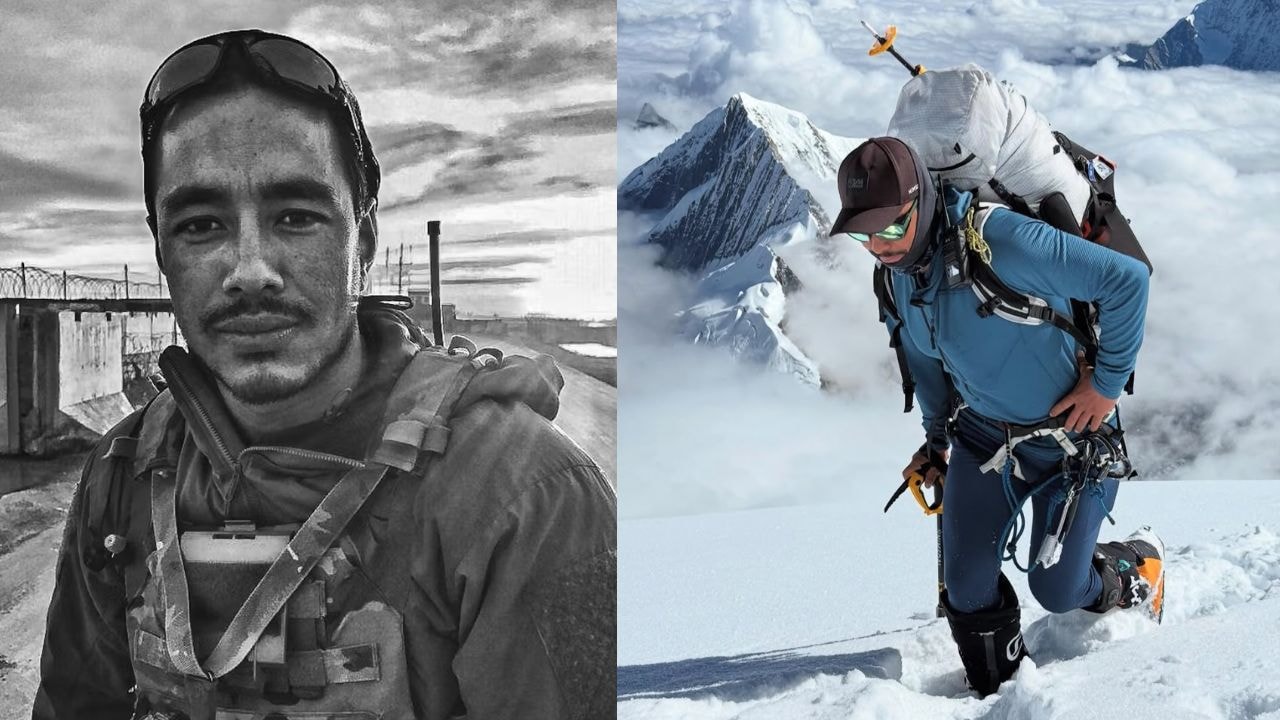
Nirmal Purja tore through the conventional timeline of elite high-altitude mountaineering by summiting all fourteen of the world's eight-thousand-meter peaks in just six months and six days during his 2019 Project Possible campaign. Traditional alpinism demanded decades for such a feat, yet this former British Gurkha and Special Boat Service operative compressed structural endurance windows into a matter of months. Behind the record-breaking headlines lies a complex industrial machine. Extreme mountaineering shifted from an elite, self-reliant endeavor into a commercialized corporate exercise.
The mechanics of high-altitude speed climbing rely on infrastructure that early pioneers like Reinhold Messner would barely recognize. Purja utilized supplemental oxygen for the majority of his 2019 ascents, a choice that drew sharp distinctions from purists who valued oxygen-less climbs above eight thousand meters. He later returned to clear those margins by completing the same fourteen peaks without supplemental oxygen by October 2024. Yet speed at this scale is less about individual lung capacity and more about logistical dominance. Helicopters ferry gear, advance base camps are stocked with commercial logistics, and fixed-line networks are established by indigenous Sherpa teams ahead of commercial pushes.
Modern commercial operators turn the death zone into a managed asset. Fixed ropes anchored securely into dangerous ice walls change objective danger into calculated risk. When Purja launched Project Possible, he had to self-fund initial phases through remortgaging his home and relying on crowdfunding before corporate sponsorships materialized. The financial barrier to entry for high-end mountaineering remains astronomical. A single expedition to a major eight-thousander easily clears tens of thousands of dollars in permit fees, oxygen tanks, and local staff wages.
The physical toll of consecutive eight-thousand-meter summits defies normal physiological recovery models. Human bodies deteriorate rapidly above eight thousand meters, a boundary universally known as the death zone. Cellular damage accumulates, muscle mass wastes away, and cognitive function degrades due to persistent hypoxia. Purja's ability to bounce from Annapurna to Dhaulagiri and immediately onto Kangchenjunga challenged established medical understandings of human recovery limits.
Controversy frequently shadows speed records in the high ranges. Friction within the climbing community surfaced around questions of trail-setting monopoly and commercial congestion. Critics argued that mass commercialization degrades the pristine nature of these peaks, littering higher camps with discarded oxygen cylinders and increasing rescue burdens on local authorities. Incidents such as disputed rope-cutting allegations on Everest in 2024 underscored intense commercial competition among guiding companies fighting for market share in a lucrative industry.
The economics of mountain guiding transformed Sherpa mountaineers from supporting cast members into globally recognized elite athletes in their own right. For decades, Western media focused primarily on foreign climbers while local high-altitude workers absorbed the highest risks with minimal recognition. Purja's platform brought unprecedented visibility to Nepalese climbers, proving that indigenous professionals could command expeditions, break records, and run commercial operations on their own terms.
Elite mountaineering now operates at the intersection of extreme physical endurance and digital self-promotion. Documentaries, social media updates broadcast directly from high camps, and global brand partnerships dictate who secures funding. Pushing human limits requires heavy capital investment. The romantic notion of the solitary mountaineer battling nature alone is largely an artifact of the past. Today's records are engineered through meticulous planning, substantial financial backing, and industrial-scale teamwork.
The mountains themselves remain completely indifferent to human ambition, weather windows, and corporate sponsorships. Avalanches on peaks like Broad Peak and Shishapangma continue to claim the lives of veteran climbers and novices alike, proving that no amount of logistical preparation completely neutralizes objective danger. The history of high-altitude mountaineering will continue to evolve as lighter gear, better weather forecasting, and relentless human drive push records further down. The boundaries of endurance are constantly redrawn by those willing to risk everything against the vertical drop.