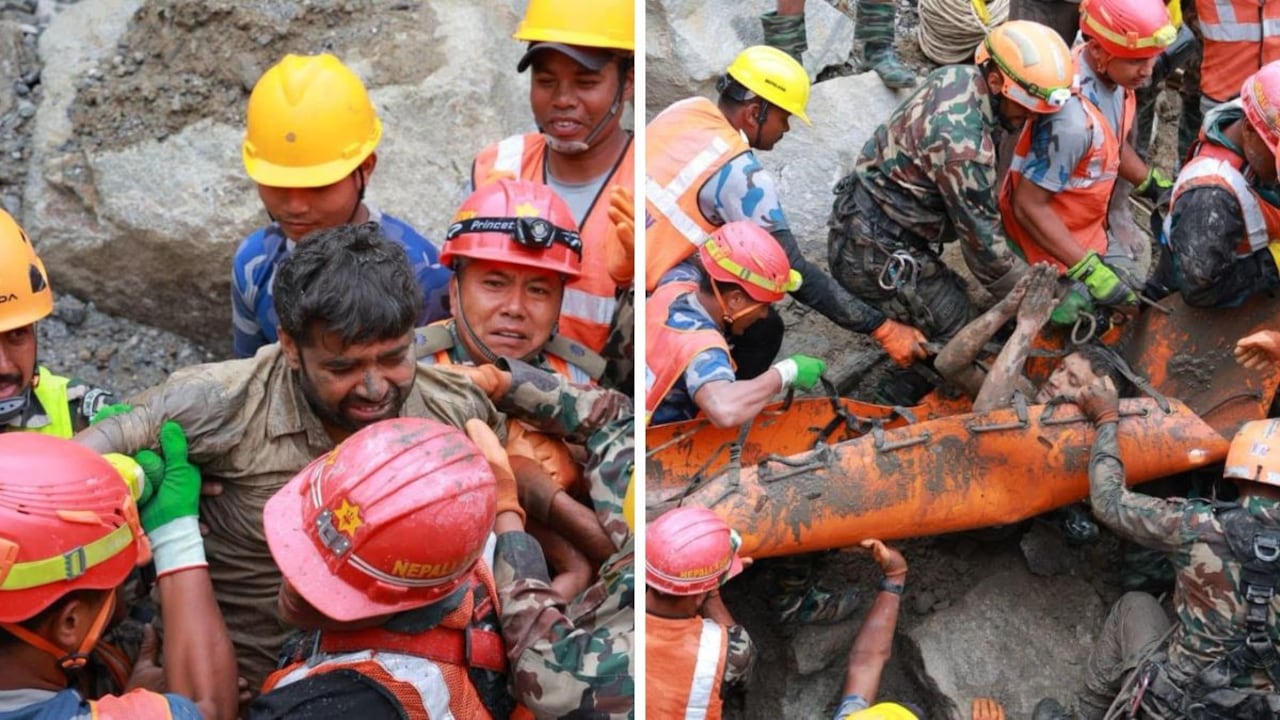
Darkness changes everything. When a mountain collapses over your head, time stops moving. You stop thinking about tomorrow. You focus entirely on the next breath.
Most people cannot imagine what it takes to survive nine days buried alive. In late 2022, a highway construction tunnel in Nepal's Dolakha district collapsed, trapping nine workers deep underground. They had no food. They had limited water. The air grew heavier with every passing hour. Yet, against terrible odds, every single one of them walked out alive.
The Collapse That Cut Off The World
Construction sites in the Himalayas carry unique risks. Shifting geology, heavy monsoon rains, and unpredictable rock formations turn engineering projects into high-stakes gambles. On that fateful day, a section of the tunnel gave way unexpectedly. Tons of debris sealed the exit instantly.
The workers were cut off from daylight, heavy machinery, and emergency exits. Panic is the primary killer in disasters like this. When the dust settled, the crew had to make a choice. They could waste energy screaming into the void, or they could conserve their strength and organize.
They chose survival.
Engineering reports later showed that the collapse crushed structural supports and left jagged boulders blocking the mouth of the tunnel. Rescuers on the outside faced an agonizing puzzle. Drilling too fast risked triggering secondary collapses. Moving too slow meant running out of time for the trapped men.
Inside The Concrete Trap
Survival underground relies on absolute discipline. The trapped workers quickly established rules to keep themselves alive. They rationed their physical movements. Moving burns oxygen and calories. They stayed still. They huddled together to preserve body heat as the mountain temperatures dropped at night.
Water availability dictated their timeline. Dripping moisture from the rock face became their primary lifeline. They caught whatever drops they could using empty helmets and plastic wrappers. Humans can survive weeks without food, but only days without water. That grim reality kept them focused.
Psychological endurance mattered just as much as physical resilience. Dark, confined spaces trigger severe claustrophobia and despair. Team members who kept their wits about them talked to the younger, more panicked workers. They shared stories, talked about their families, and maintained a collective will to see the sun again.
The Race Against The Mountain
Above ground, a massive rescue operation swung into action. Local authorities, armed police forces, and specialized engineering teams converged on the site. Heavy excavators tore into the rock pile around the clock. Every bucket of dirt removed carried the risk of shifting the unstable roof.
Communication lines were eventually established through a narrow borehole. Hearing human voices from the other side changed everything for the trapped men. Rescuers pumped fresh oxygen down the small tube to clear out toxic gases building up behind the blockage. They sent liquid nutrition down the line as well.
That pipe kept the men alive during the final critical days.
Families gathered outside the perimeter. Days bled into nights. Local villagers brought food and tea to the rescue workers. Hope flickered and faded with every update from the engineers. The mountain fought back with minor secondary cave-ins that slowed the drilling process.
The Moment Of Extraction
On the ninth day, the final barrier broke. Rescuers pushed through the rubble and made direct physical contact with the crew.
Coming back to the light after total darkness is physically painful. The workers had to wear protective eye coverings to prevent permanent retinal damage from the sudden glare of floodlights and daylight. Stretcher by stretcher, the nine men emerged into the cold mountain air.
Medical teams checked vital signs immediately. Dehydration, exhaustion, and psychological trauma affected every survivor differently. Yet, remarkably, none of them suffered life-threatening injuries. Their disciplined routine inside the tunnel saved their lives.
What We Can Learn From Extreme Survival
Disaster survival stories capture our attention because they strip away modern distractions. They remind us how fragile our daily routines really are.
If you ever find yourself facing an unexpected crisis, take a page from the Dolakha tunnel survivors.
- Stop and assess. Rushing leads to fatal mistakes. Take inventory of your resources before taking action.
- Conserve energy. Panic burns valuable physical and mental reserves. Slow your breathing down.
- Communicate. Isolation destroys morale. If you have any way to reach the outside world or lean on companions, use it.
The mountain always holds the upper hand. But human adaptability remains remarkably stubborn. These nine men went into that tunnel as ordinary construction workers. They walked out as proof that ordinary people can endure the impossible when faced with total darkness.