Silence.
That is the first thing you notice when the aviation radio goes dead, a heavy, static-charged void that presses against the eardrums of an air traffic controller sitting in a darkened room miles away from the runway.
For most of us, a plane crash is a headline scrolled past over morning coffee, a brief flare of tragedy reduced to a cold ledger of numbers—nine souls, one fuselage, a strip of scorched Florida asphalt or dark marshland, and a brief, solemn statement from the Transportation Secretary confirming what the emergency beacons already screamed into the void. We read the wire copy. We feel a momentary pang of dread, perhaps a fleeting gratitude that our own feet are planted firmly on the linoleum floor, and then we move on to the weather forecast or the sports scores.
But I have spent enough years around regional airfields, hangars smelling of burnt kerosene and damp concrete, and the quiet waiting rooms of small municipal airports to know that those nine numbers are never just statistics. They are unfinished sentences. They are half-drunk cups of coffee left on kitchen counters in Tallahassee or Fort Lauderdale. They are dog-eared paperbacks tucked into leather seatback pockets and promises made to children about bringing back seashells from the Gulf Coast.
When a private or charter jet drops out of the bright, deceptive blue of the Florida sky, taking all nine people aboard with it, the official confirmation from Washington is only the punctuation mark at the end of a story that began hours, months, or even years earlier.
The Architecture of a Tuesday Morning
Consider a hypothetical scenario—a composite built from the thousand small truths of private aviation—to understand what actually happens inside that cabin before the headlines are written.
Picture a mid-sized business jet sitting on the tarmac at an executive airfield outside Orlando just after dawn. The humidity is already rising off the pavement in visible waves, smelling faintly of salt air and jet-A fuel. Inside the cabin, seven passengers are settling into cream-colored leather seats. There is a structural engineer flying down to inspect a coastal bridge project, a young marketing director rehearsing a pitch on her tablet, a husband and wife heading to a family wedding in the Keys, and three colleagues sharing thermos coffee and trading jokes about their early wake-up calls. Up front, separated by a thin curtain, two veteran pilots are running through their pre-flight checklist with the practiced, rhythmic cadence of men who have performed this exact ritual thousands of times.
To the outside world, this is routine. Safer than driving on Interstate 95, the statistics tell us—and the statistics are right. General and business aviation move millions of people every year without incident. Yet inside that pressurized aluminum tube, physics does not care about averages.
Think of an airplane in flight not as a solid object, but as a continuous negotiation. Every second it stays aloft, the wings are bargaining with gravity, trading forward velocity for upward lift, while twin turbine engines swallow air, compress it, ignite it, and spit it out at ferocious temperatures. When everything works, that negotiation feels effortless—a gentle hum beneath your loafers, a glass of water resting on a fold-out table without a single ripple.
When the negotiation breaks down, it happens faster than human language can process.
What the Transportation Secretary Cannot Say
When the Transportation Secretary steps up to the microphones to announce that all nine people aboard a downed jet in Florida have been killed, the words are carefully calibrated. They must be. Grief is volatile, and speculation in the wake of an aviation disaster is poison to an investigation.
So the official statement gives us the bare scaffolding of the event. A flight plan filed. A sudden loss of radar contact or a distress call clipped short by wind noise. First responders fighting through palmetto scrub, sawgrass, or congested suburban streets to reach a debris field that no longer resembles an aircraft. Confirmation of total loss of life. Promises of a thorough investigation by the National Transportation Safety Board.
What the podium cannot convey is the weight of the invisible stakes that ride along on every regional flight.
In commercial aviation—the massive airliners that ferry hundreds of strangers between major hubs—the safety net is woven from redundant systems, legions of ground mechanics, strict crew rest mandates, and layers of regulatory oversight so thick they can seem suffocating. Smaller jets, particularly those operating under different regulatory frameworks or out of municipal fields, inhabit a slightly sharper edge of the sky. They fly lower, closer to the sudden, violent vertical wind shear of Florida's notorious afternoon thunderstorms. They rely heavily on the split-second judgment of a two-person cockpit crew managing complex weather radar, crowded airspace, and tight turnaround schedules.
If you have ever sat in the right seat of a small jet watching a wall of charcoal-gray cumulonimbus clouds build thirty thousand feet high over the Everglades in twenty minutes flat, you know how quickly the Florida sky turns from a postcard into a trap. Air doesn't just blow horizontally there; it boils upward and crashes downward like a waterfall made of invisible concrete. A microburst—a localized column of sinking air—can slam an aircraft toward the ground faster than full throttle can climb out of it.
Or perhaps it wasn't weather at all. Perhaps it was a tiny, microscopic fatigue crack in a turbine blade, invisible to the naked eye during a routine walk-around, waiting patiently for the exact combination of heat and rotational stress to let go. Or a sensor feeding false airspeed data to the flight computer, forcing two exhausted human beings to decide in four seconds whether to trust their instruments or their instincts while the ground rushes up at three hundred miles an hour.
We do not know yet. Even the investigators standing in white Tyvek suits amid the wreckage do not know yet.
The Long Shadow of the Black Box
People often ask what happens in the hours immediately after a crash like this, imagining a scene straight out of a television drama where answers appear on a computer screen by nightfall.
The reality is agonizingly slow, methodical, and deeply human.
Before a single piece of twisted metal is moved, surveyors map the scatter pattern of the wreckage like archaeologists excavating an ancient battlefield. The distance between the tail section and the nose cone tells a story about speed and angle of impact. The curl of a propeller blade or the condition of the turbine fans reveals whether the engines were screaming at full power when they hit or spinning silently in a dead glide.
And then there is the search for the recorders—the cockpit voice recorder and the flight data recorder, painted bright orange despite their universal nickname.
I have spoken with investigators who have had to listen to those final thirty minutes of cockpit audio. It is a job that changes the posture of a person's shoulders. You hear the mundane chatter first—complaints about traffic on the way to the airport, talk about a kid's Little League game, the mundane click of switches. Then comes the first note of confusion. A chime. A master caution light flashing amber in the dim light of the cockpit. You hear two professionals fighting with every ounce of training, muscle memory, and sheer willpower to save the seven strangers sitting six feet behind them.
They never panic the way movies depict panic. Real pilots work the problem until the tape ends.
That audio will not be released to the public—only dry, sanitized transcripts months or even years later—because the families of those nine people deserve to remember their loved ones by the sound of their laughter at Sunday dinner, not the strain in their voices during their final four seconds on earth.
Nine Ripples Across the Water
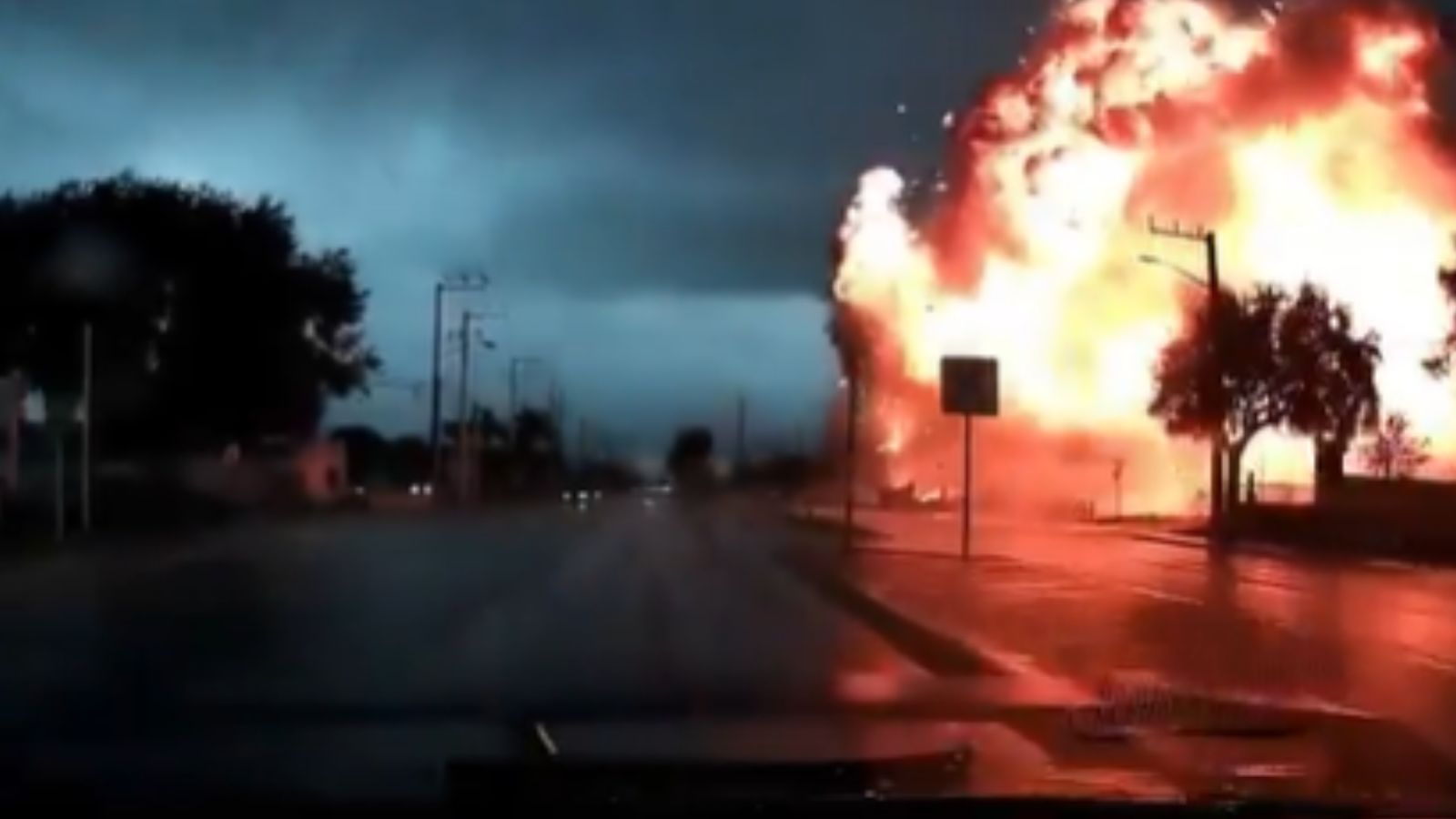
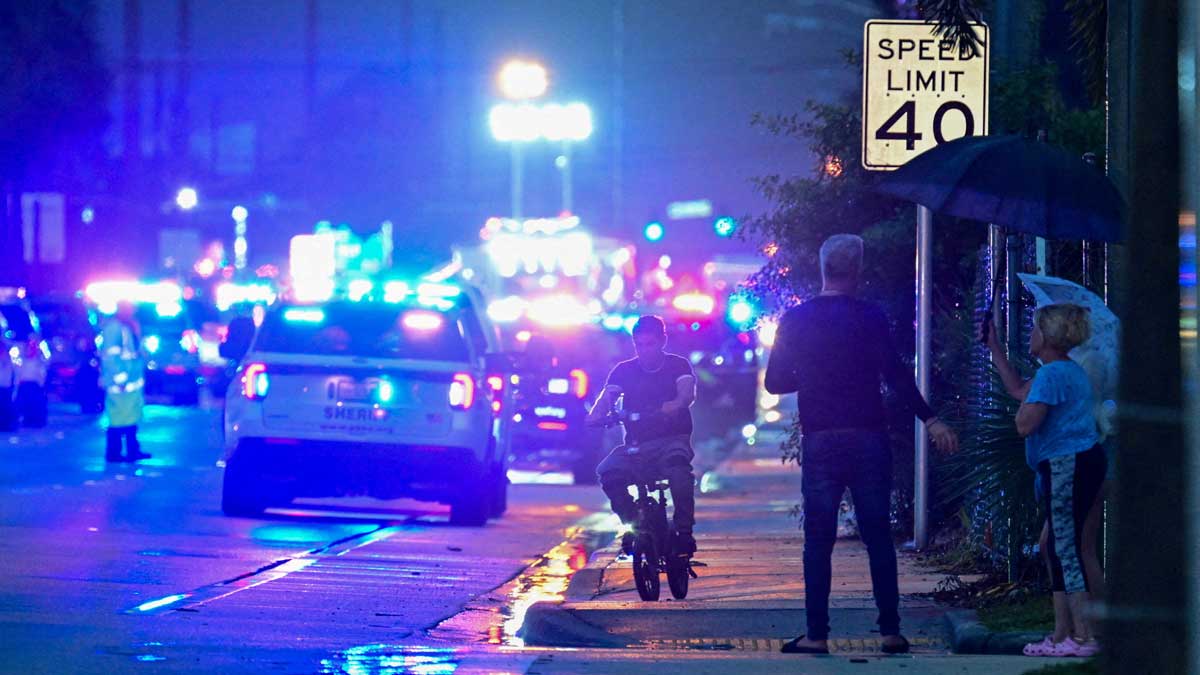
Step away from the airfield, away from the flashing red and blue lights reflecting off wet asphalt and the reporters standing behind yellow crime-scene tape, and trace the shockwaves outward.
In nine different homes across the state—and likely across the country—phones are ringing with calls from area codes nobody recognizes, or worse, phones are not ringing when they were supposed to.
"Text me when you wheels-down."
Four words. Sent millions of times a day from mothers to sons, wives to husbands, business partners to assistants. It is the modern secular prayer of travel, so routine we type it with one thumb while walking out to the car.
Think about the person sitting in a kitchen in Miami or Jacksonville staring at a chat thread where the last message is a gray checkmark that never turns blue. The flight tracking app on their screen shows a little plane icon frozen mid-route, followed by a sudden, sickening disappearance of telemetry data. First comes denial—the Wi-Fi on the plane must have dropped, the transponder glitched, they're probably taxiing to the gate right now. Then comes the cold hollowness in the stomach as the minutes stretch past the scheduled arrival time. Then the breaking news alert flashes across the top of the screen.
Nine people aboard. No survivors.
Each of those nine lives was a load-bearing wall in someone else's world. A daughter who handled her aging father's medical bills. A mentor who was supposed to sign off on a junior colleague's promotion on Friday. A friend who knew all the old stories from twenty years ago that nobody else remembers anymore. When a plane goes down, it doesn't just end nine lives; it amputates pieces of hundreds of others, leaving ragged edges that take decades to scar over.
Why We Keep Looking Up
There is an uncomfortable truth at the heart of every aviation tragedy, one we rarely admit out loud while standing in the terminal waiting for our boarding group to be called.
Flight is an act of radical trust.
Every time we step across that narrow threshold from the jetway or climb the fold-down airstair of a private cabin, we are handing our mortality over to strangers. We trust the metallurgist who tested the alloy in the wing spars. We trust the mechanic who worked the midnight shift under fluorescent lights to torque a fuel line to exact specifications. We trust the air traffic controller staring at green blips on a radar screen, keeping ten metal tubes moving at five hundred miles an hour separated by a few thousand feet of empty air. And we trust the two human beings up front to bring us safely back to dirt.
Ninety-nine point nine-nine-nine percent of the time, that invisible chain of human competence holds without a single weak link. It is one of the greatest collective achievements of modern civilization—a quiet miracle we treat like a city bus ride.
Which is precisely why a crash in Florida stops us cold. It is the rare, terrifying moment when the illusion of effortless mastery shatters, reminding us that three miles up, separated from a lethal vacuum and sub-zero winds by an eighth of an inch of aluminum, we are still fragile creatures borrowing space from the sky.
After the Sirens Fade
Tomorrow, the news cycle will turn its restless eye toward the next crisis, the next political skirmish, the next market swing. The Transportation Secretary will move on to other briefings. The yellow tape around the crash site in Florida will come down, leaving behind only a blackened scar in the earth that the relentless subtropical grass will slowly begin to reclaim within a few weeks of rain.
Months from now, a formal probable-cause report will be published in dense, technical prose, detailing angle of attack, barometric pressure, maintenance logs, and human factors. Engineers will read it. Regulators will issue airworthiness directives. Pilots will run through the exact scenario in full-motion flight simulators so that the next crew caught in that same trap knows precisely which way to push the yoke. Every tragedy in the sky buys safety for the millions who fly after, paid for in full by those who didn't make it home.
Tonight, though, there are no lessons learned and no silver linings to polish. There are only nine empty chairs at dinner tables across the country, nine sets of keys hanging untouched by front doors, and a quiet, heavy silence where nine voices used to be.