The air over the steppe always smells of dry earth and old iron before the thunder hits. But this wasn't thunder. This was something heavier, something that tore the fabric of the night sky and left a trail of white fire burning against the velvet dark.
Distance lies to us. On a map, a hundred miles is just the tip of a finger sliding across parchment. In reality, a hundred miles is the gap between a sleeping village and a shockwave that rattles teacups off kitchen tables.
To understand what happened when the Flamingo missile found its mark, you have to look past the smoke and the dry wire reports. You have to look at the geometry of ambition. For decades, the Russian space center at Engels and the sprawling testing grounds scattered across the western frontier weren't just military assets; they were monuments to a collective myth of reaching upward. They were places where steel was shaped to touch the void.
On this particular night, the void reached back down.
Consider what happens when a country under siege refuses to stay inside the lines drawn for it. For years, the narrative dictated a certain rhythm: one side holds the hammer, the other absorbs the blow. Defensive lines bend. Cities brace. Sirens become background noise, like the hum of an old refrigerator.
Then came the Flamingo.
It is a strange thing, watching an engineer describe a long-range guidance system. I sat across from a man in Kyiv last autumn whose hands shook not from fear, but from the relentless, caffeine-fueled exhaustion of someone who hasn't slept a full night since the invasion began. He traced a finger across a schematic on a cracked tablet. He wasn't talking about politics. He was talking about wind resistance, fuel density, and the stubborn physics of microchips sourced through three layers of intermediaries because the front door was bolted shut.
"We aren't building a weapon," he told me, staring into his cold tea. "We are building an argument. An argument that physics works both ways."
The strike on the space center wasn't just about blowing up concrete hangars or disabling a cluster of parked jets. That is the language of the general staff, clean and antiseptic. The human reality is far more jagged. It is the sound of supersonic metal tearing through the dark, the sudden blinding flash that turns midnight into high noon for three terrifying seconds, and the silent, sickening realization that no sanctuary is truly remote anymore.
When the Russian strategic bombers—the sleek, bird-like Tu-95s and Tu-160s designed to carry cruise missiles across continents—sat on their tarmac, they looked like prehistoric birds resting in a sanctuary. Their pilots slept in barracks miles away, secure in the belief that the frontline was a wall, a static boundary where the rules of gravity and geography still applied.
Geography is a stubborn thing. But engineering is stubborn too.
When the Flamingo cleared its launcher, it carried no banners, no ideological declarations. It carried fuel, telemetry, and a destination. It crossed the border in total silence, flying low enough to skim the radar shadow of the rolling hills, navigating by inertial guidance systems that don't care about electronic jamming or political speeches.
Imagine standing on the perimeter fence of that facility. The cold wind off the Volga basin. The low, heavy silence of a military base at 3:00 AM. The sentries smoking behind a concrete barrier, talking in low murmurs about home, about the coming winter, about anything except the war three hundred miles to the west.
Then the sky breaks.
A sound arrives before the light—a tearing shriek that sounds like an industrial saw cutting through sheet metal. And then the impact. The world turns white, orange, and black in a single heartbeat.
The jets didn't just burn; they dissolved. Millions of dollars of titanium, avionics, and national pride turned into a twisting fountain of molten scrap. In that single, blinding second, the illusion of distance vanished.
War has a way of shrinking the map until the entire world fits inside the radius of a blast.
We talk about escalation ladders as if they are neat rungs on a gymnasium wall. Step one, step two, step three. But escalation is actually a swamp. Every step you take pulls you deeper into the muck, until you can no longer see the shore you started from. The introduction of long-range domestic cruise missiles by Ukraine changes the arithmetic of survival. It tells a nuclear-armed state that its own backyard is no longer a spectator box.
And that creates a dangerous, crackling tension in the air.
Down in the underground shelters of Kharkiv, children draw pictures of rockets with wings. They don't draw them with anger; they draw them the way children fifty years ago drew airplanes or dinosaurs—as massive, incomprehensible forces of nature that dictate whether today is a basement day or a courtyard day.
When I asked a twelve-year-old girl named Daria what she wanted to be when the war ended, she didn't hesitate. "An architect," she said, holding up a bright blue crayon. "So I can build houses that don't fall down when the walls shake."
She has never lived in a house that doesn't shake.
The destruction of the jets and the damage to the launch infrastructure will not end the war tomorrow. Wars do not end because one side loses a handful of aircraft or a stretch of tarmac. They end when the cost of continuing becomes heavier than the pain of surrender, and neither side has reached that threshold yet.
Instead, we are locked in a grim mechanical dance. Every innovation breeds a counter-innovation. Every shelter built requires a heavier bomb to crack it. Every long-range strike prompts a deeper barrage against power grids and apartment blocks.
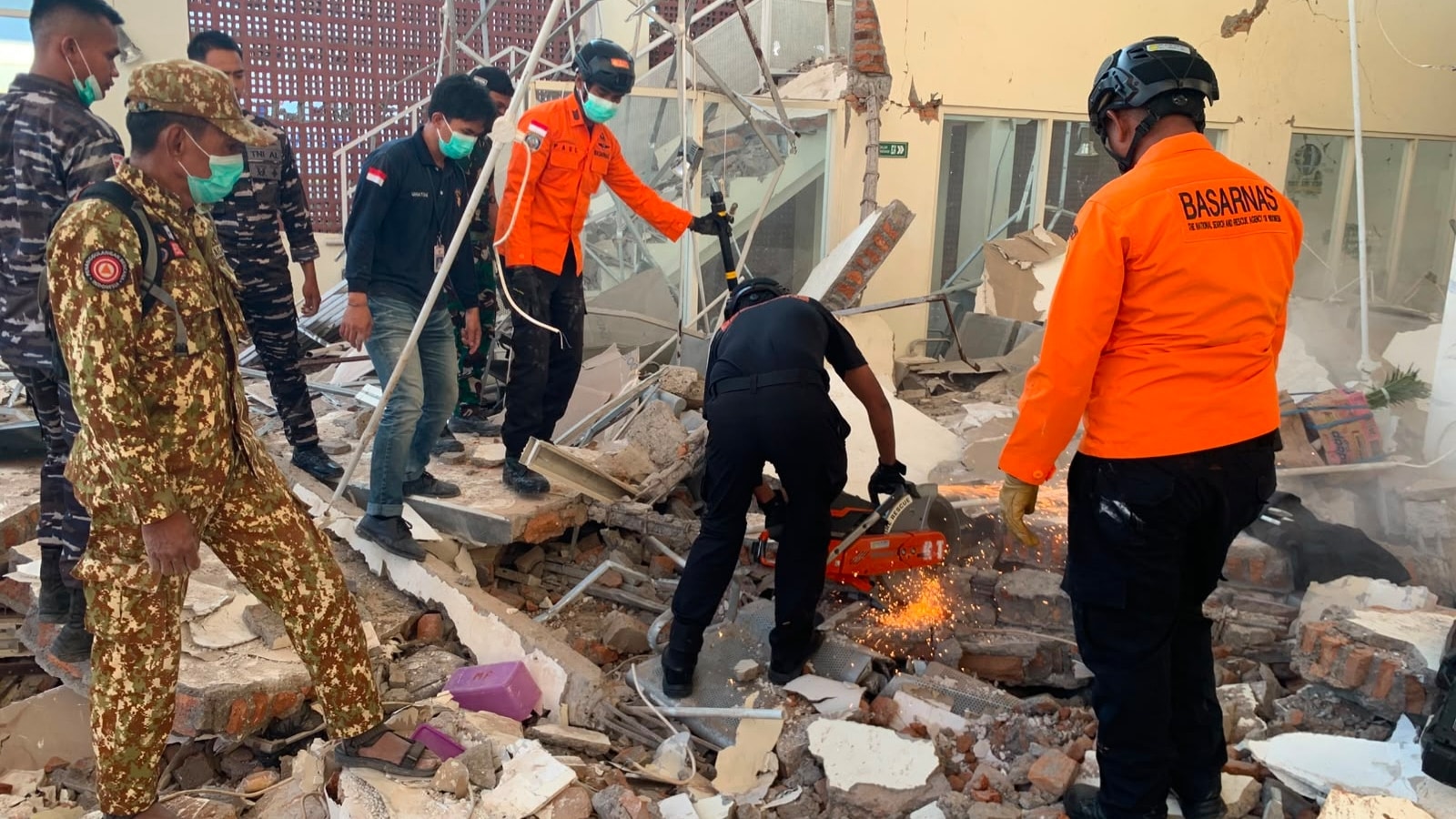
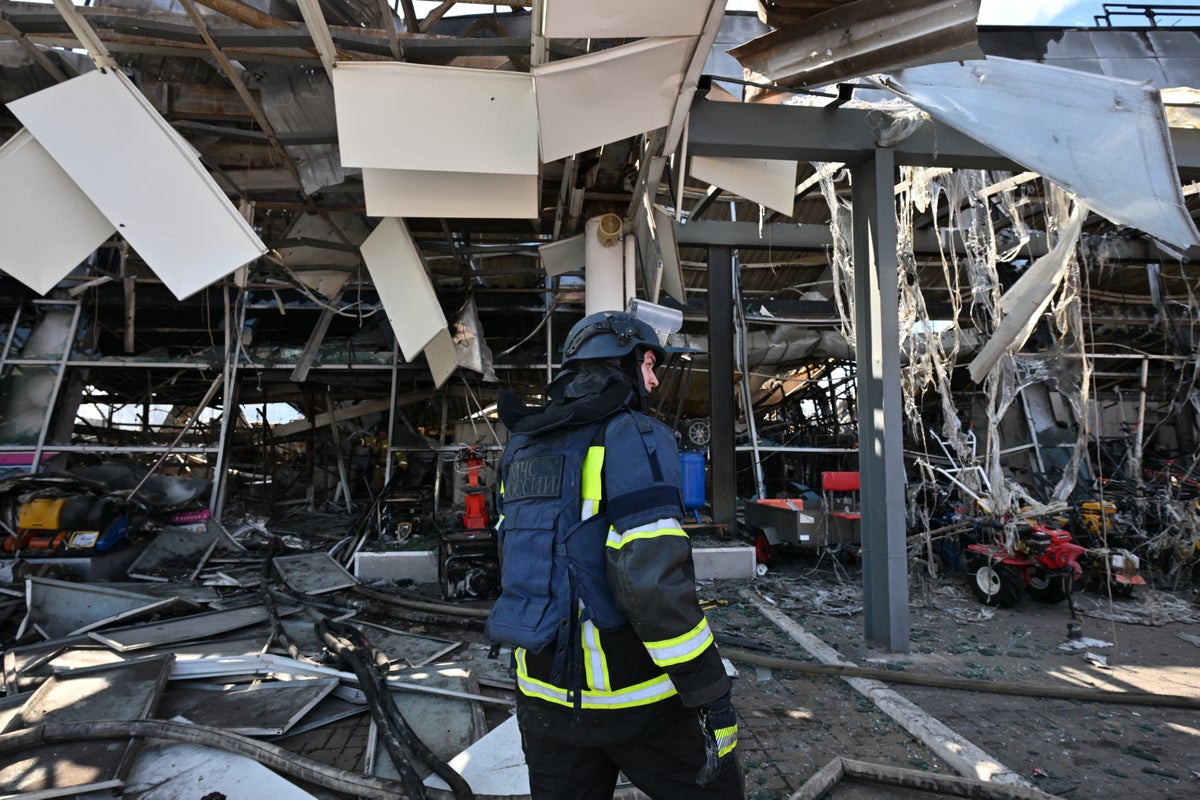
The smoke over the Russian air base cleared by morning, leaving behind a jagged skeleton of charred hangar frames and the unmistakable stench of burning aviation fuel. Maintenance crews walked through the wreckage with clipboards, tallying the loss in rubles and strategic capability.
But out on the steppe, the wind didn't care about the jets. It swept across the burned grass, carrying the ash toward the horizon, scattering it over fields where wheat will grow again next spring, indifferent to the iron that fell from the stars.