A set of keys feels different when they no longer belong to a lock. They become light, noisy, and useless, a collection of jagged metal teeth that can’t bite into anything. For the women at the Elizabeth Fry Society’s shelter, those keys didn’t just represent a room; they represented the first night of sleep without one eye open.
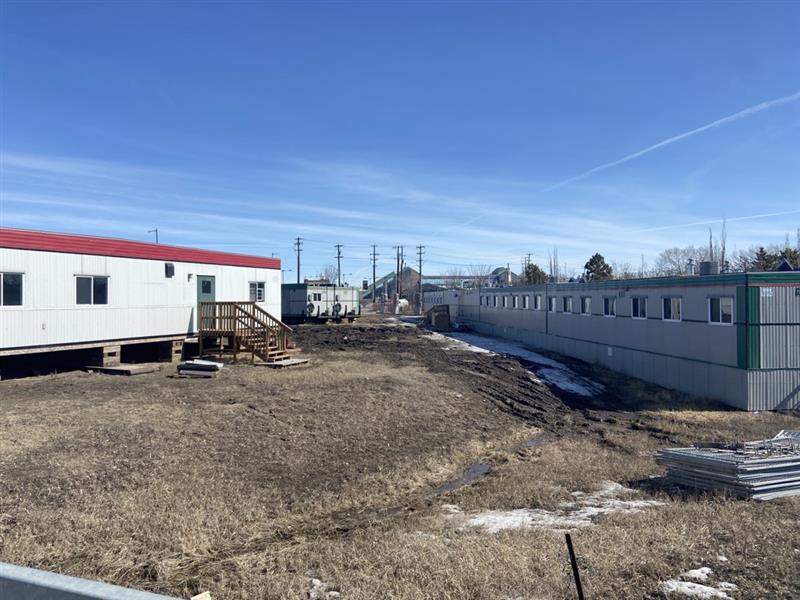
But the lease extension was denied. The building is being reclaimed. And just like that, the quiet sanctuary is gone.
The news broke with the clinical coldness of a real estate transaction. A lease expired. A request for more time was rebuffed. To a property owner or a city planner, this is a matter of square footage and contractual obligations. To a woman fleeing a cycle of violence or a life on the edges of the economy, it is a catastrophic rupture.
Consider a hypothetical woman named Sarah. She isn’t a statistic. She is thirty-four, she has a backpack containing everything she hasn’t lost yet, and for the last three months, she knew exactly where she would be at 9:00 PM. She knew the smell of the floor cleaner in the hallway. She knew which floorboard creaked outside the bathroom. Most importantly, she knew that the person on the other side of the door was there to help her, not to hurt her.
Now, Sarah is looking at a sidewalk.
The Elizabeth Fry Society doesn’t just provide beds. They provide a specific kind of safety that the general shelter system often struggles to replicate. Their focus is on women—many of whom are navigating the crushing weight of the legal system or the aftermath of trauma. When a specialized space like this closes, the residents don't simply move to the "next available" spot. Often, there is no next spot.
The math of modern housing is a cruel teacher. We see the cranes on the horizon and the new glass-fronted developments, but the inventory for the vulnerable is shrinking. When a lease isn't renewed for a nonprofit, it’s rarely because the building is falling down. It’s because the land has become too valuable for the people currently standing on it.
The loss of this shelter creates a ripple effect that hits the entire community. When you remove a stable base, the people who were standing on it don't disappear; they fall. They fall into emergency rooms. They fall into the back of police cruisers. They fall back into the arms of the dangerous situations they worked so hard to escape.
The cost of a shelter bed is a fraction of the cost of a hospital stay or a night in a jail cell. Yet, we frequently treat these facilities as temporary inconveniences rather than essential infrastructure. It’s a strange logic. We would never deny a lease extension to a fire station while the city was still burning, yet we do it to the places that put out the fires in people's lives.
The staff at Elizabeth Fry are now faced with the impossible task of "transitioning" residents. It’s a professional word for a heart-wrenching process. It means sitting across a table from someone who finally started to feel human again and telling them that the walls around them are dissolving. It means watching that flicker of hope in their eyes get replaced by the old, familiar mask of survival.
The systemic failure here isn't just about one building in one city. It’s about the fragility of the safety net. Most of these organizations operate on the grace of private landlords or short-term government agreements. They are building cathedrals of healing on foundations of sand.
Think about the sound of a heavy door closing and the click of a deadbolt. For most of us, that is the sound of the day ending and peace beginning. For the women displaced by this closure, that sound is now a memory. They are back to the rhythm of the street, the constant scanning of surroundings, and the bone-deep exhaustion that comes from never being able to truly put your weight down.
We speak about "the homeless" as if they are a monolith, a grey blur of faces we try not to see. But these are daughters. They are workers who lost a step. They are survivors. The Elizabeth Fry Society provided a place where they didn't have to explain themselves. They were just home.
The lease is over. The boxes are packed. The porch light is being turned off.
In the windows of the empty building, you can see the reflection of a city moving on, unaware that its soul just got a little bit smaller. The sidewalk is waiting, cold and indifferent, for the next person who has nowhere else to go.