The air inside a packed arena has a specific weight. It smells of hot plastic, spilled beer, expensive cologne, and the sharp, metallic tang of pure adrenaline. For decades, the Ultimate Fighting Championship built its empire on this exact atmosphere. It was a traveling circus of controlled chaos, moving from Las Vegas to Abu Dhabi, conquering cities by promises of raw, unfiltered human drama.
But something changes when the circus anchors itself to a single, hyper-politicized coordinate.
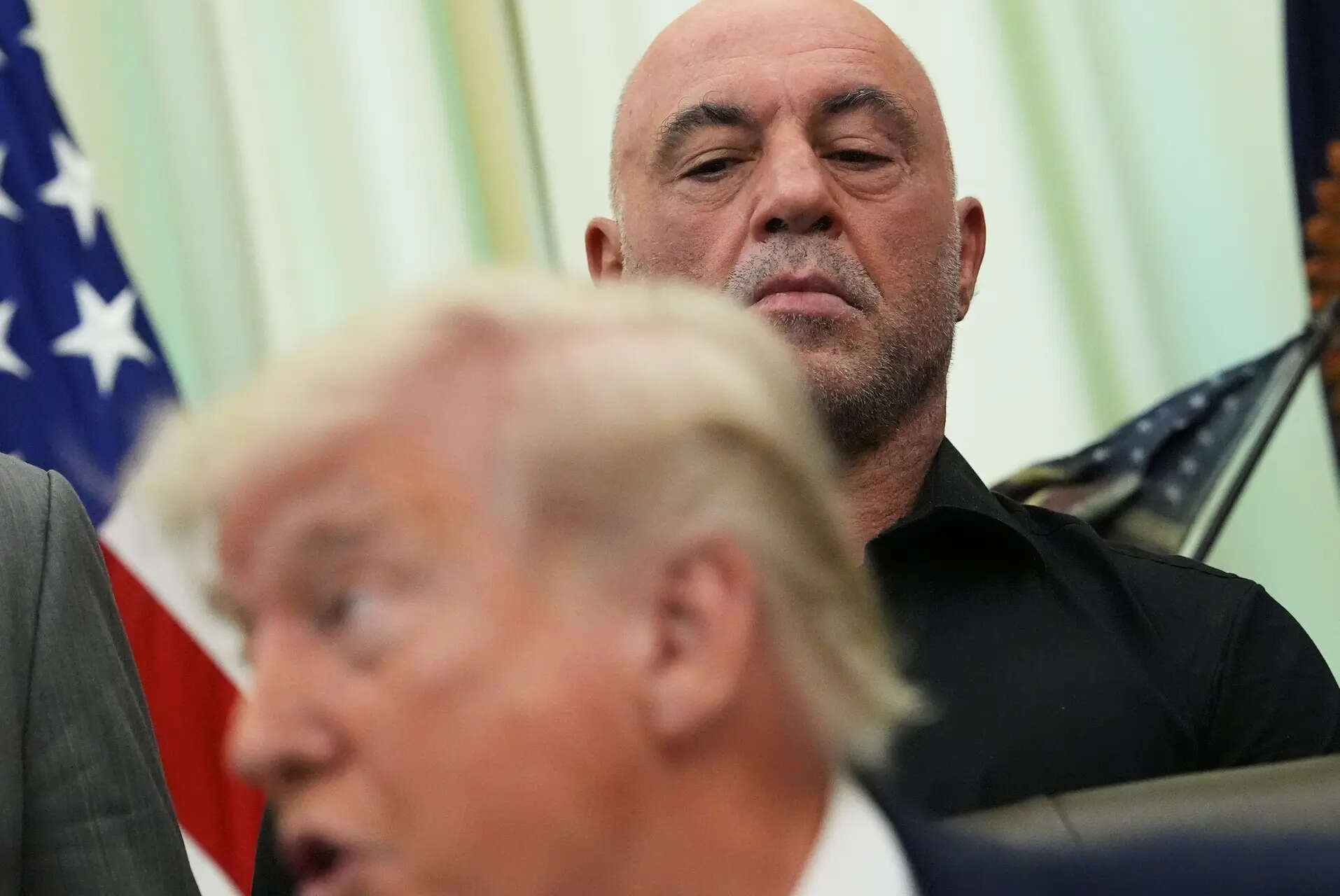
Recently, whispers turned into heavy rumors, and those rumors hardened into a bizarre reality: a UFC card tied directly to a Donald Trump-linked White House. On paper, it sounds like a promoter’s wet dream. Merging the tribal loyalty of mixed martial arts with the ferocious fervor of American politics. The ultimate crossover event.
Dana White looked at the spreadsheet and saw dollar signs. Joe Rogan looked at the logistics and saw a nightmare.
To understand why a cage-fighting commentator and a billionaire fight promoter are suddenly locked in a philosophical debate about Washington D.co politics, you have to look past the flashing cameras. You have to look at the bugs.
The Invisible Friction of Power
Imagine a fighter. Let’s call him Marcus.
Marcus has spent the last ten weeks eating boiled chicken, drying his joints out to make weight, and letting sparring partners smash his ribs. He does not care about tax policy. He does not care about the White House press secretary. Marcus cares about the canvas beneath his feet and the three fifteen-minute rounds that will dictate whether he can pay his mortgage next month.
Now, drop Marcus into a venue managed not by seasoned athletic commissions, but by a tangle of federal bureaucrats, Secret Service detail, and political staffers.
This isn't a hypothetical headache. It is the core of the criticism leveled by Dana White and echoed with profane clarity by Joe Rogan. The UFC is a finely tuned machine. It relies on a hyper-specific ecosystem. When you overlay that ecosystem with the rigid, unforgiving architecture of a presidential administration, the gears don't just grind. They strip.
White’s frustration wasn't born out of political dissent; it was born out of operational panic. The White House operates on protocol, optics, and security cordons. The UFC operates on blood, sweat, and tight broadcast windows. When the two collide, the fighters are the ones who pay the tax.
How Are You Gonna Stop the Bugs
Joe Rogan’s voice carries a unique kind of weight in the combat sports world. He isn't a suit. He’s the guy who has sat cageside since the dark ages of the sport, watching the sweat fly off a fighter’s brow in slow motion. When he weighed in on the proposed White House card, he bypassed the political theater entirely and went straight for the visceral reality of the outdoor elements.
"How are you gonna stop the bugs?"
It sounds like a joke. It sounds like a comedian throwing a wrench into a serious political discussion. But if you have ever stood under the oppressive humidity of a Washington summer night, you know it’s a lethal question for an athlete.
Think about the lights. A pay-per-view broadcast requires thousands of watts of blinding, heat-emitting television lights suspended directly over the cage. In an open-air setting, those lights act as a beacon for every nocturnal insect within a five-mile radius.
Now look at the canvas. The gray mat is designed to absorb blood and sweat to keep fighters from slipping. It does not design well against a carpet of June bugs, moths, and mosquitoes.
Picture a championship fight. The fifth round. Both men are exhausted, their lungs burning, their eyes swelling shut. One fighter shoots for a double-leg takedown, his face hits the canvas, and instead of gripping the mat, he slides on a layer of crushed beetles. Or worse, he inhales a moth while trying to suck in enough oxygen to stay conscious.
It sounds absurd until it happens to you. The elite level of professional sports is defined by millimeters and milliseconds. A single slip caused by an outdoor infestation doesn't just ruin a fight; it can end a career. Rogan’s critique wasn't about policy. It was about the sanctity of the cage.
The Illusion of Control
We live in an era obsessed with optics. Politicians want to look tough. Fight promotions want to look prestigious. The idea of holding a UFC event on the lawn of the most powerful house in the world is the ultimate optical illusion. It suggests total dominance. It blends the raw, primal energy of the arena with the institutional authority of the state.
But nature and human error have a funny way of disrespecting authority.
Dana White has built his entire legacy on controlling the uncontrollable. He coaxes commissions, bullies managers, and bends networks to his will. Yet, the moment you step onto federal grass under an open sky, that control evaporates. You cannot threaten the weather with a lawsuit. You cannot cut a promo on a swarm of insects.
The real danger of the "Trump-linked" card wasn't the inevitable media firestorm or the protests outside the gates. The danger was the sheer unpredictability of bringing an indoor bloodsport into an outdoor political theater. The UFC succeeded because it stripped away the theater and left only the truth of the fight. Bringing it to the White House does the exact opposite. It turns the truth into a prop.
Consider the locker rooms. At the MGM Grand or the Apex, fighters have pristine, air-conditioned spaces to warm up, wrap their hands, and find their focus. They have medical staff steps away. What happens at a makeshift venue on the National Mall? Do they warm up in vinyl tents while Secret Service agents bomb-sweep their gear bags? Does a fighter have to wait in a security line while his muscles turn cold and stiff?
The Weight of the Lights
The debate will rumble on in the headlines, framed as a clash of personalities—White, Rogan, Trump—because that is the narrative the internet knows how to digest. It’s easy to argue about political alignments and promotional greed. It is much harder to think about the quiet reality of the men and women who actually have to step inside the chain-link fence.
The octagon is supposed to be the one place where the outside world stops existing. Once that gate clicks shut, the noise of the crowd, the opinions of the pundits, and the weight of the world are supposed to vanish. There is only you, the person across from you, and the referee.
But when you look up and see the illuminated portico of the White House looming over the cage, the outside world doesn't vanish. It presses down on you with the weight of history, partisan rage, and geopolitical theater.
The lights over the octagon are already hot enough to burn. Adding the glare of the American presidency doesn't make the fight any bigger. It just makes the shadows longer, the air thicker, and the bugs impossible to ignore.