Washington just drew a very hard line. If you buy Russian oil, you might soon face 100% tariffs at American ports.
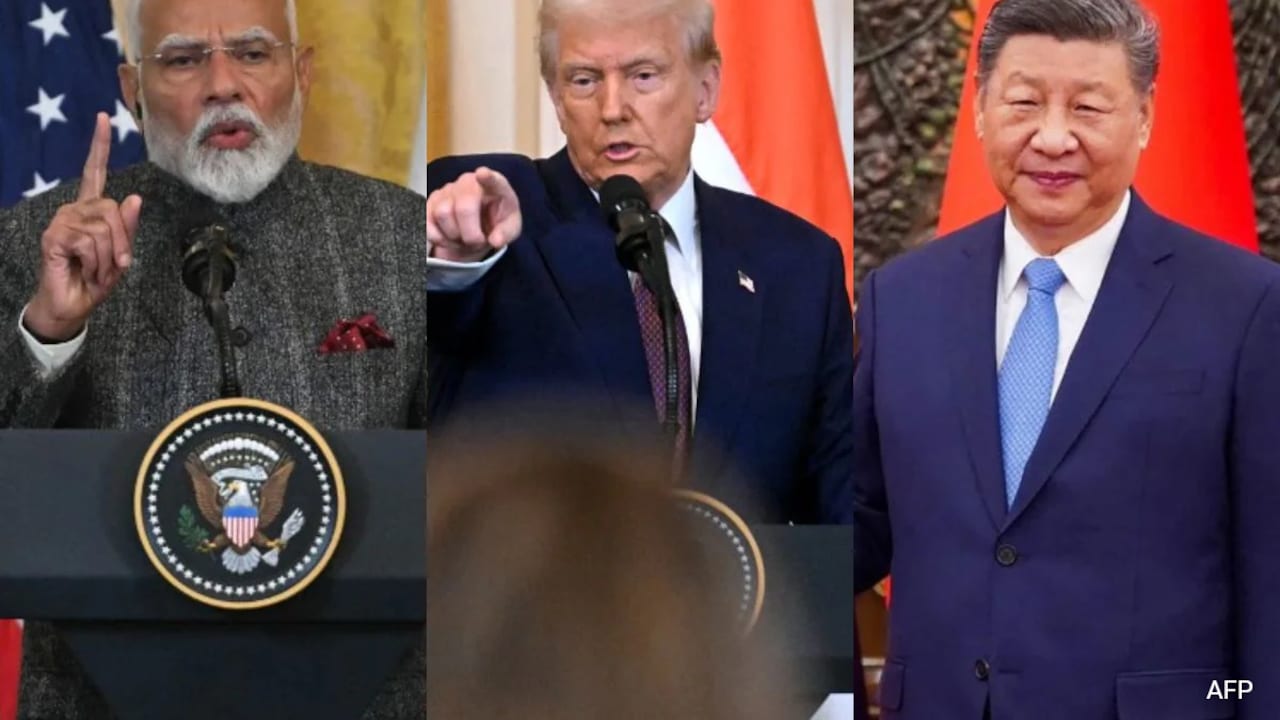
The U.S. Senate recently advanced a high-stakes bipartisan legislative package. Officially named the Lindsey O. Graham Sanctioning Russia and Iran Act of 2026, this bill targets the financial engine keeping Moscow's war machine running in Ukraine. While the text hits Russian banks, oligarchs, and maritime shadow fleets, its sharpest teeth are reserved for third-party nations. Chief among them? India and China.
If you are wondering why Washington is willing to risk major trade fallout with two of the world's largest developing economies, the answer comes down to crude oil revenues and pure geopolitical pressure. Let's break down what this bill actually proposes, who gets hit, and why it's causing immense anxiety across Asian capitals.
The Core Mechanics of the 100 Percent Tariff Threat
The bill gives the executive branch unprecedented economic weaponry. Under the proposed measures, the United States Trade Representative is authorized to slap tariffs of up to 100% on imports coming from the world's top five purchasers of Russian crude oil and natural gas.
Right now, the list of those top five buyers centers heavily on China and India, alongside countries like Slovakia, Hungary, and Azerbaijan.
An earlier draft floated an eye-watering 500% penalty. Lawmakers dialed it back to a slightly more practical 100% rate to keep the bill moving through Congress without flat-lining international supply chains entirely. Even at 100%, the economic punishment for shipping goods into the American market from targeted nations would be catastrophic.
Senator Richard Blumenthal and other key architects of the bill argue that secondary economic pressure is the missing link in stopping Vladimir Putin. By penalizing the cash flow generated from energy exports, Washington wants to force major consuming nations to pivot to alternative suppliers.
Why India and China are squarely in the crosshairs
India and China didn't end up on this list by accident. Ever since Western sanctions severed Russia's access to European energy markets following the invasion of Ukraine, Beijing and New Delhi have absorbed massive quantities of discounted Russian crude.
For India, buying discounted Russian oil became an economic lifeline, especially when conflicts in the Middle East choked off traditional Gulf suppliers and spiked shipping costs through vital maritime chokepoints. Indian refiners ramped up purchases significantly, turning Russian barrels into a core component of domestic energy security.
China, meanwhile, remains Moscow's largest trading partner and premier energy customer. Beijing absorbs massive volumes of both pipeline gas and seaborne crude, ignoring Western pressure with a shrug.
Washington's strategy assumes that the threat of losing lucrative access to American consumers will outweigh the discount savings of Russian oil. It's a high-stakes gamble. Past tariff warnings have forced brief pullbacks, but global energy markets are stubborn. If refiners in Asia have to scramble for expensive alternatives overnight, global inflation spikes immediately.
Carve-Outs, Waivers, and Political Realities
Not everyone faces the same exposure. The legislation carefully carves out exemptions for certain European nations. Countries whose imports of Russian natural gas account for less than 15% of total Russian exports—and which are actively scaling down—avoid the penalty box. That exemption protects several European economies that haven't completely severed their umbilical cords to Moscow's energy grid.
Furthermore, the bill grants the sitting U.S. President waiver authority if executing the tariffs violates core national security interests. That provision matters immensely. It gives the White House diplomatic leverage rather than forcing an automatic, rigid economic explosion.
Despite overwhelming procedural support in the Senate—clearing an 86-12 vote—the bill still faces legislative hurdles. Because the House of Representatives entered its recess, the final showdown won't happen until autumn. Critics in Congress worry about granting blanket tariff powers that could backfire on American families through higher consumer prices.
Expect intense lobbying over the coming weeks. For now, New Delhi and Beijing are watching Capitol Hill very closely, knowing that American domestic politics could soon redraw the map of global energy trade.