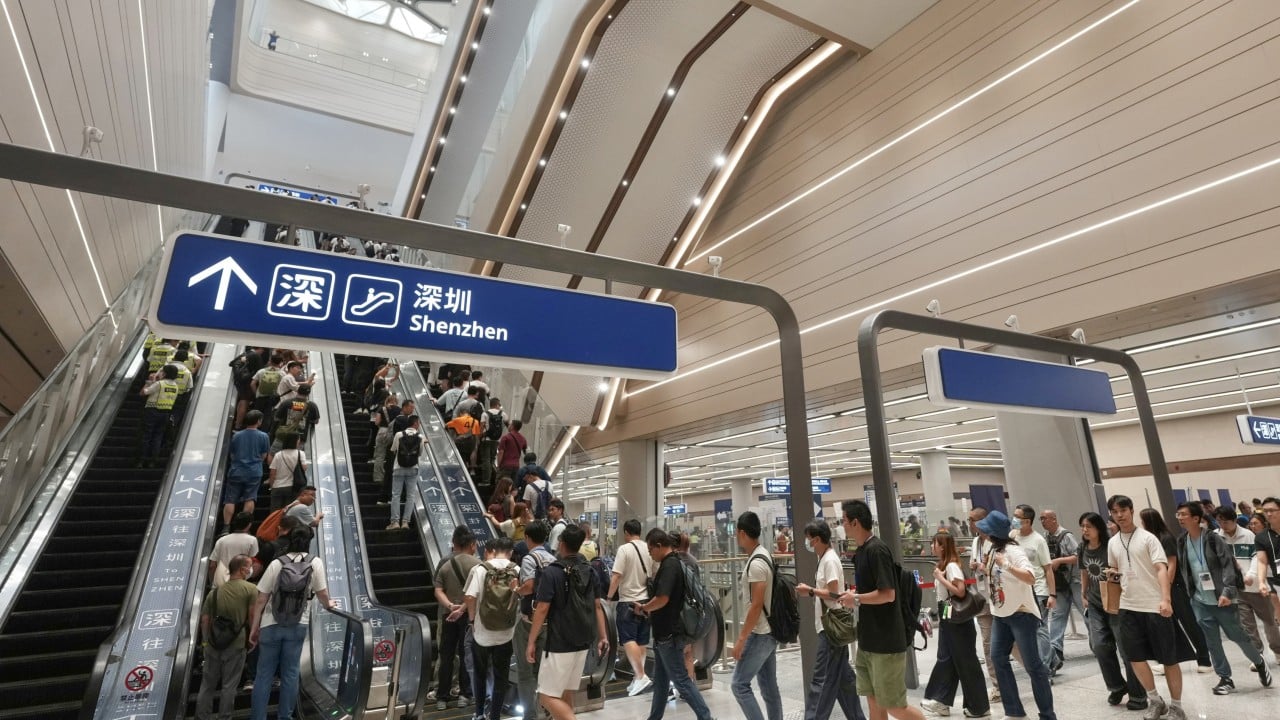
Cross-border travel between Hong Kong and Shenzhen just got a massive upgrade. The newly redeveloped Huanggang Port officially opened on October 12, 2026, replacing decades of clunky transit procedures with a streamlined megastructure. If you have ever stood in endless queues waiting to clear dual customs checkpoints, you already know why this project matters.
The old infrastructure could barely keep up with modern demands. Millions of commuters, tourists, and business professionals relied on a crossing system built back in 1989. Reconstruction starting in 2019 completely transformed the Futian district site into the world's largest land port building by total single area.
How the New Clearance System Actually Works
Under the previous setup, crossing the border felt like an administrative obstacle course. Travelers had to clear Hong Kong exit controls, board a shuttle bus across the Shenzhen River, and then queue all over again for mainland entry checks.
The new Huanggang Port changes the math completely. It introduces collaborative inspection procedures designed to cut down clearance times drastically. Instead of stopping twice, eligible passengers move through integrated checkpoints where automated channels handle both jurisdictions with minimal friction. Clearance times that once stretched up to thirty minutes can now drop to as little as five minutes on a good run.
Operating around the clock makes a huge difference too. The facility provides 24-hour passenger and vehicle clearance services, giving night owls, shift workers, and logistics operators the flexibility they need.
Transport Changes You Need to Know
A brand-new facility means entirely new transit logistics. The opening of the revamped port brought an immediate end to the historic Lok Ma Chau-Huanggang cross-boundary shuttle bus service, affectionately known as the Yellow Bus, which served the crossing for nearly thirty years.
Commuters shifting to the new port now rely on an expanded network of public options. Several franchised bus routes and green minibuses service the transport interchanges feeding directly into the checkpoint. Short-haul cross-boundary coaches also adjusted their terminal schedules to match the 6:30 am switchover. If you drive, the new port features advanced "five-in-one" vehicle lanes tested extensively by security and customs bureaus to keep commercial and private traffic moving smoothly.
Why This Project Matters for the Greater Bay Area
Infrastructure projects often get buried in corporate buzzwords about connectivity, but Huanggang represents a very practical push to integrate the region's economy. Tourism numbers in Hong Kong surged past tens of millions of visitors, with mainland travelers making up the vast majority of those arrivals.
When daily passenger traffic peaks past tens of thousands and vehicle counts hit massive daily thresholds, shaving minutes off every individual commute unlocks massive economic productivity. Bringing collaborative inspection models to life proves that neighboring jurisdictions can streamline bureaucracy when the political and economic will aligns.
Plan your next crossing by checking travel document validity ahead of time and familiarizing yourself with the updated public transport drop-off points around Futian. The hardware is ready. Making the most of it depends on knowing the new routes before you head out the door.